
Blog
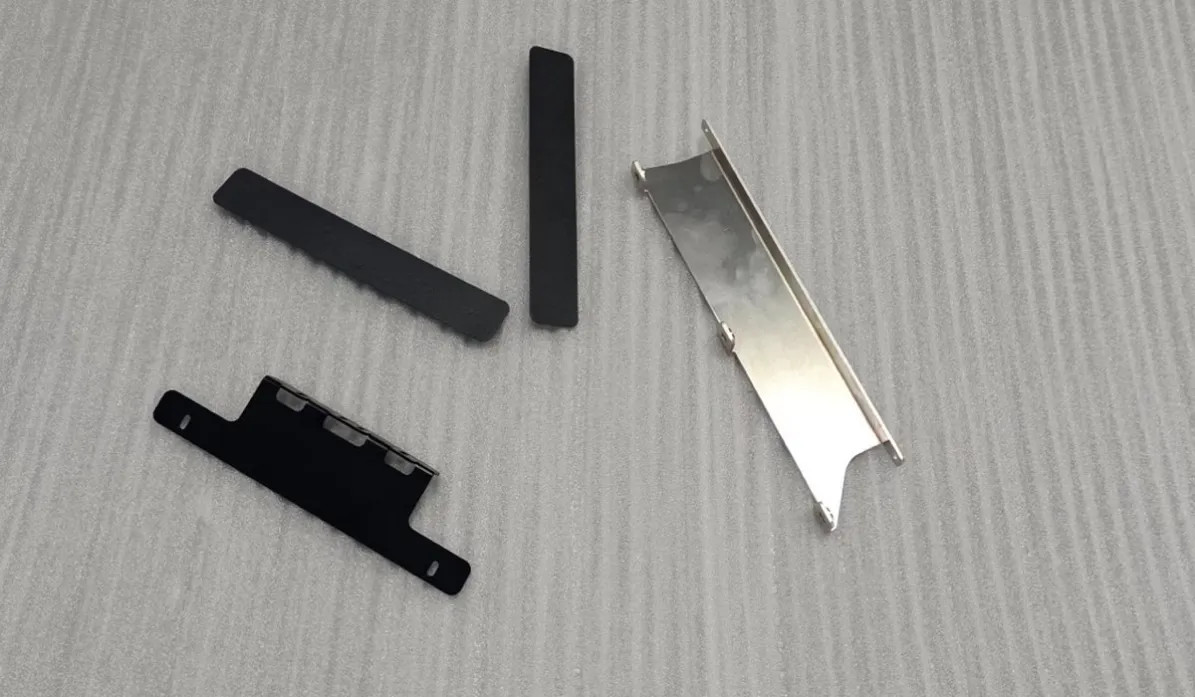
Powder Coat, Bare Stainless, or Anodized Black: Choosing a Finish for Sheet Metal Parts
Powder coat, bare stainless or black anodizing? How to choose a sheet metal finish by environment, wear and appearance — with real parts as examples.
Blog
Notes on machining, materials and finishing — what we do, and why.
Powder coat, bare stainless or black anodizing? How to choose a sheet metal finish by environment, wear and appearance — with real parts as examples.
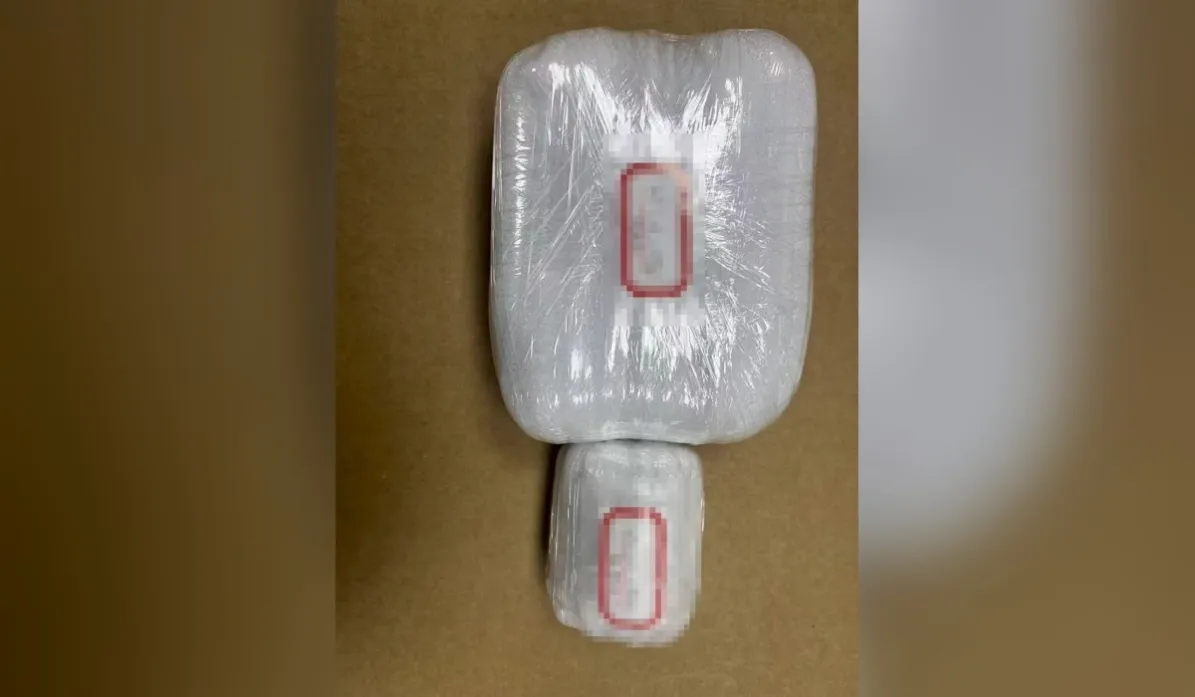
A finished part is most vulnerable inside its own shipping carton. How we pack custom machined parts — trays, individual bags, foam and cartons — by part type.

Aluminum, stainless, brass, titanium or PEEK? A practical CNC materials guide: the four questions to ask first, then how the common metals and plastics compare.
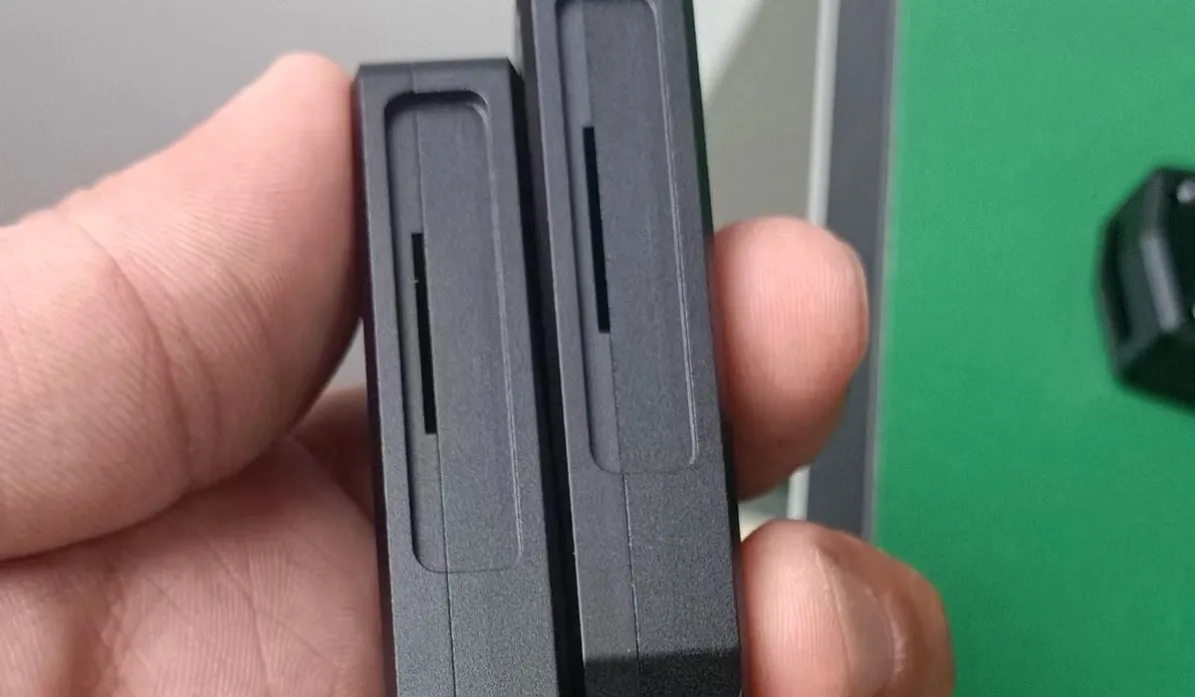
Flat aluminum plate parts want to stop being flat. Machining thin plates so they stay true, then finishing them with even black anodizing.
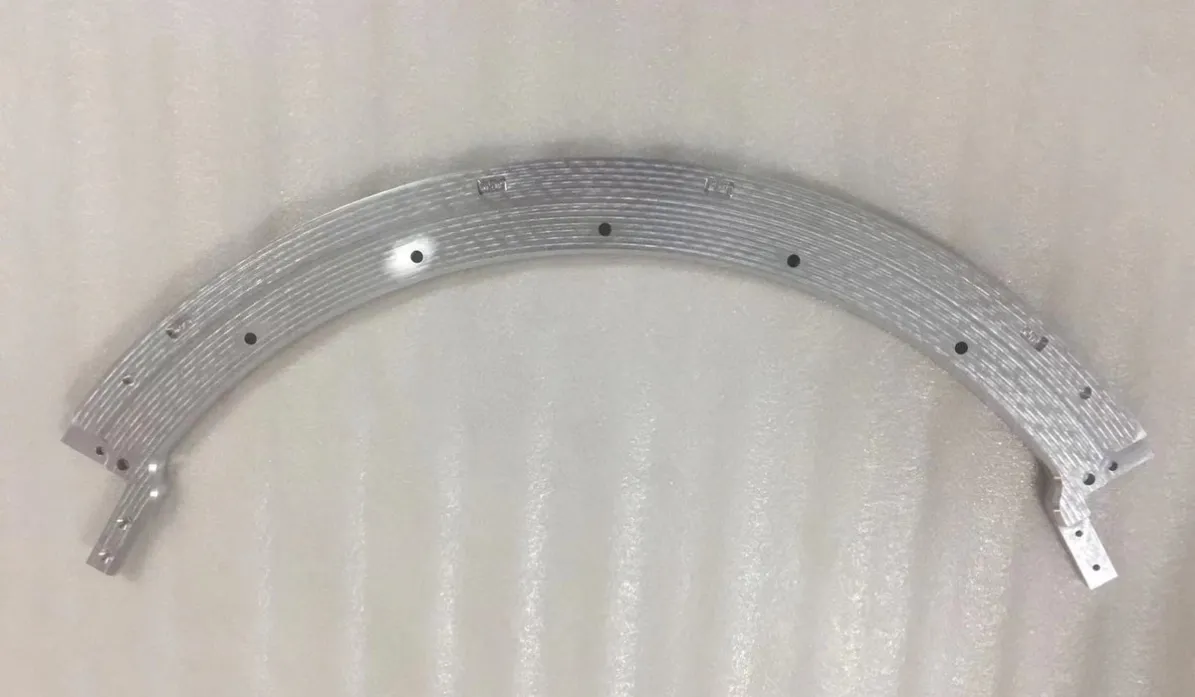
Ra 3.2 µm is a roughness value, not a promise of invisible tool marks. Machining a long curved rail shows the difference — and what removing marks costs.
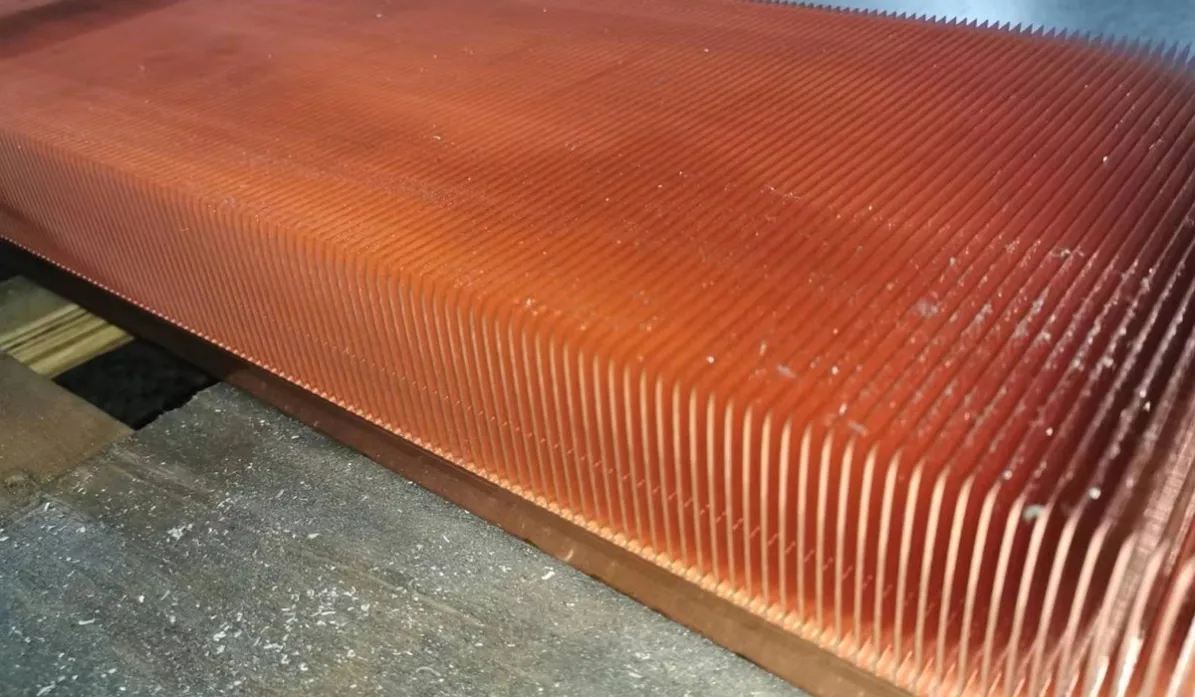
Skived fins are shaved from solid copper, not milled one by one. How skiving works, why it allows fins too dense to machine, and where it beats extrusion.
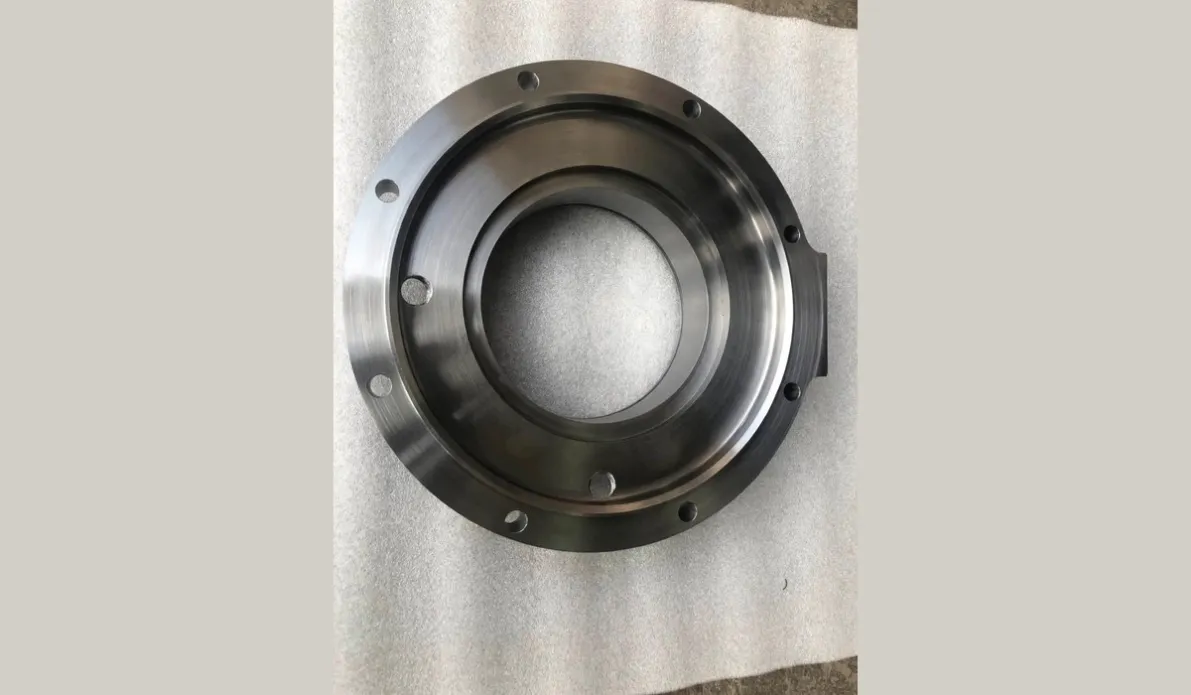
Shafts, flanges and knurled knobs are the bread and butter of CNC turning. The details that separate careful turned parts from careless ones.
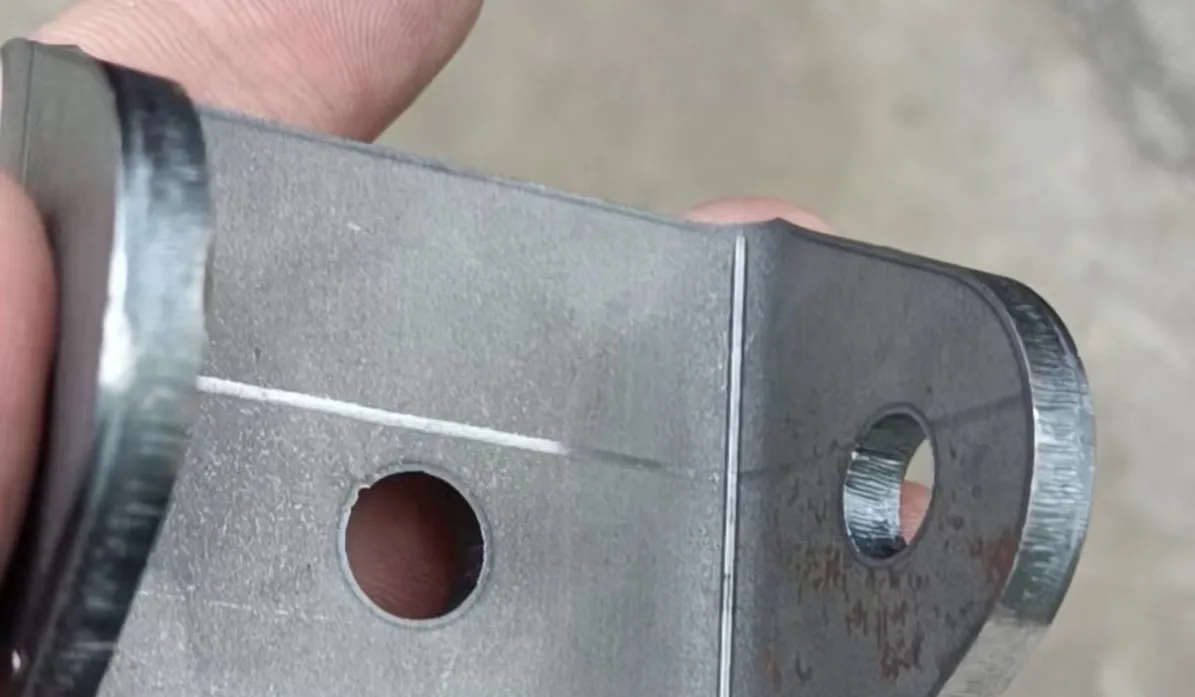
At 6 mm, sheet metal stops behaving like sheet. Laser cutting and bending thick SPCC brackets: bend force, radius and springback rules for structural parts.
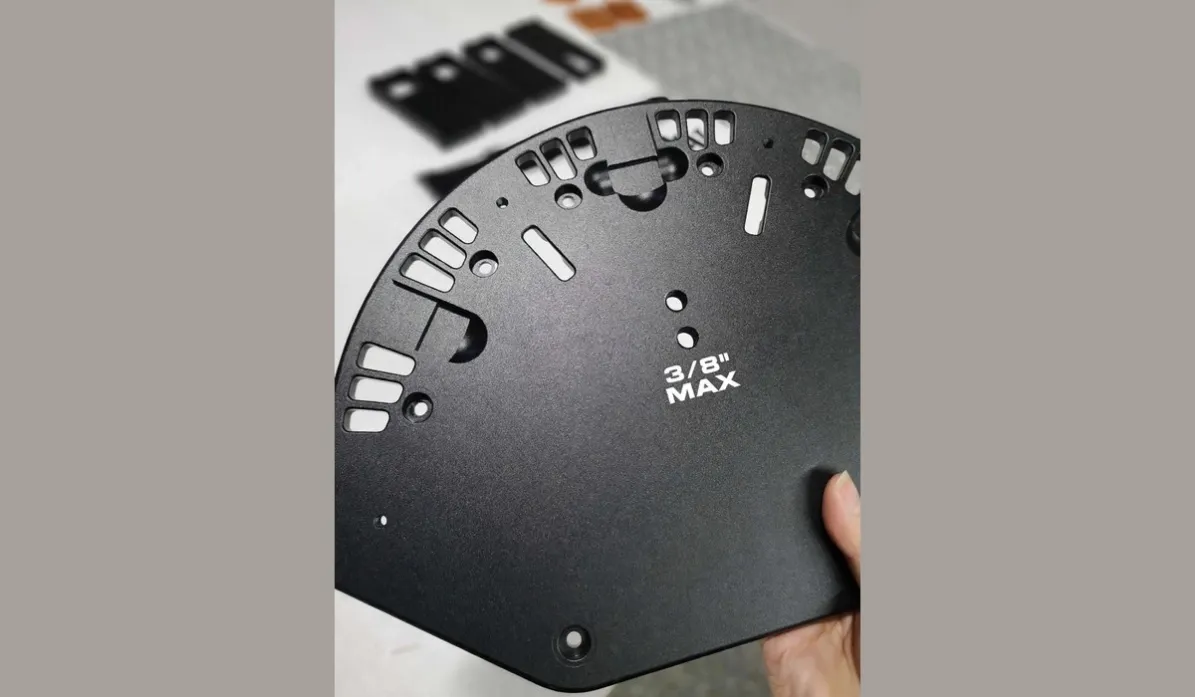
Large flat plates move when you clamp them — and again when you unclamp. Workholding and machining strategies that keep big plate parts flat and holes true.
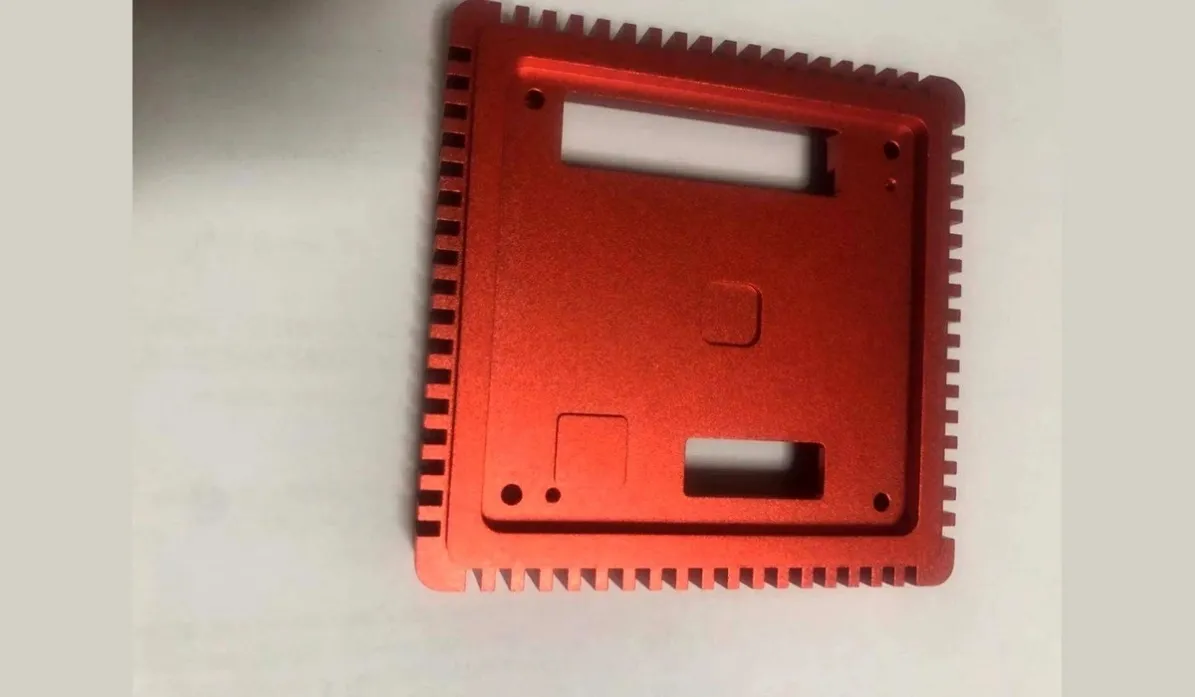
A heatsink enclosure is both the box and the cooling system. Machining fins and fits in aluminum, then finishing with colored anodizing that lasts.
Recommended products
Services that go with the article above — from prototype to production.
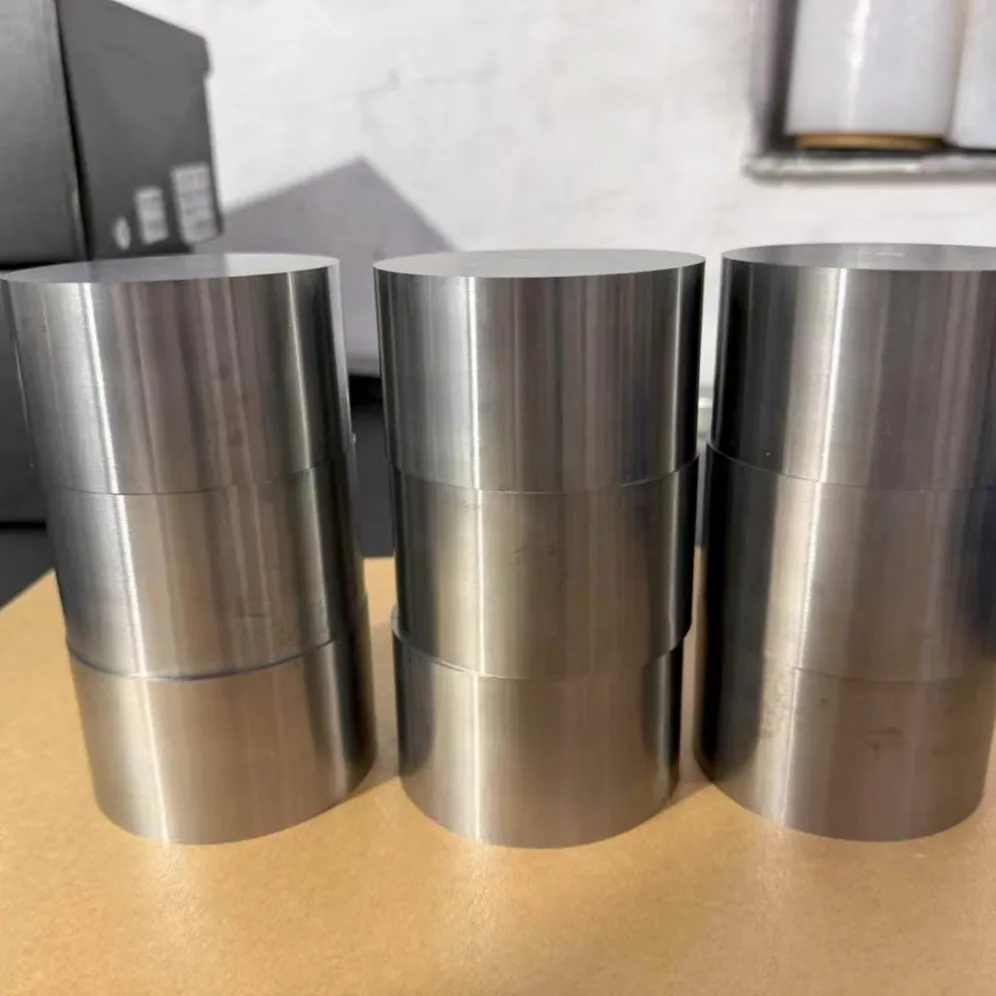
Tungsten carbide parts in YG10X grade — precision-ground rods, blanks and custom wear parts. Hardness 91.6–91.8 HRA. Lead time 20–30 days.
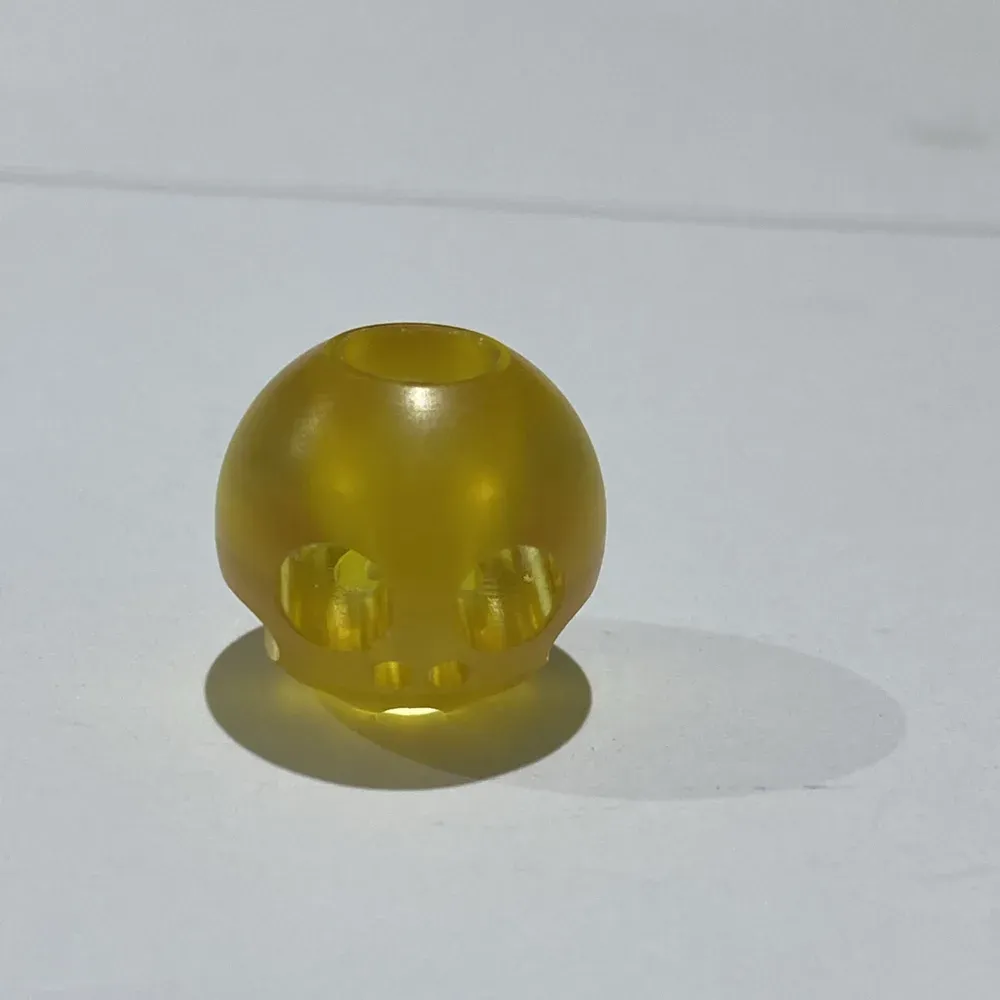
5-axis CNC machining for complex parts, undercuts and angled features in fewer setups. ±0.1 mm standard, ±0.01 mm achievable. Prototypes in 3–5 days.
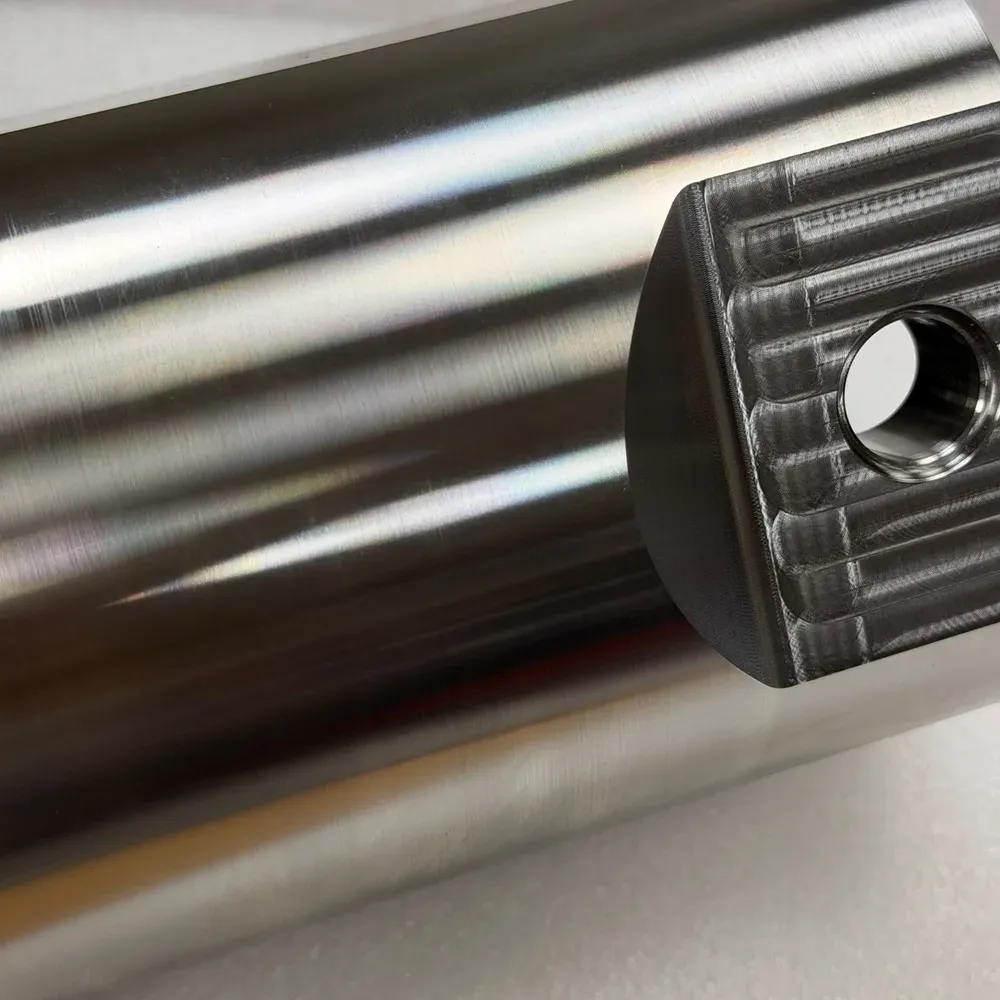
CNC turning for shafts, bushings, flanges and fittings. Ø250 × 200 mm max, ±0.1 mm standard, ±0.01 mm achievable. Small batches ship in 3–5 days.