How We Pack Custom Parts: From Inspection Bench to Your Door
A finished part is most vulnerable inside its own shipping carton. How we pack custom machined parts — trays, individual bags, foam and cartons — by part type.
A machined part is most vulnerable after it's finished: one loose part sliding against another in a carton can undo good machining and a good finish before the box is even opened. That's why packing here is part of the quality process — here's how we do it, by part type.
Why Packing Matters More for Custom Parts
Catalog parts ship in molded packaging designed once and used a million times. Custom parts don't have that luxury — every order is a different shape, a different finish, a different quantity. Three failure modes show up again and again when packing is treated casually:
- Surface damage. An anodized or bead-blasted face is a finished surface, not just metal. Parts rubbing together in transit leave witness marks that no amount of good machining can undo.
- Thread and edge damage. Threads are precision features. A knocked thread or a dinged sealing edge turns a good part into scrap at the receiving bench.
- Mixed parts. Small batches often contain several similar part numbers. If they travel loose in one bag, sorting them out — and catching a mix-up — becomes the customer's problem.
Every packing choice below answers one of those three.
Small Parts: One Part, One Cell
For small parts in quantity — pins, bushings, threaded inserts, turned fittings — the standard is a compartmented blister tray: each part sits in its own cell, separated from its neighbors. Nothing touches anything else, so nothing can rub, chip a thread, or tangle. Trays also make counting trivial at both ends: a full tray is a known quantity, and your receiving inspection can see at a glance if anything is missing.
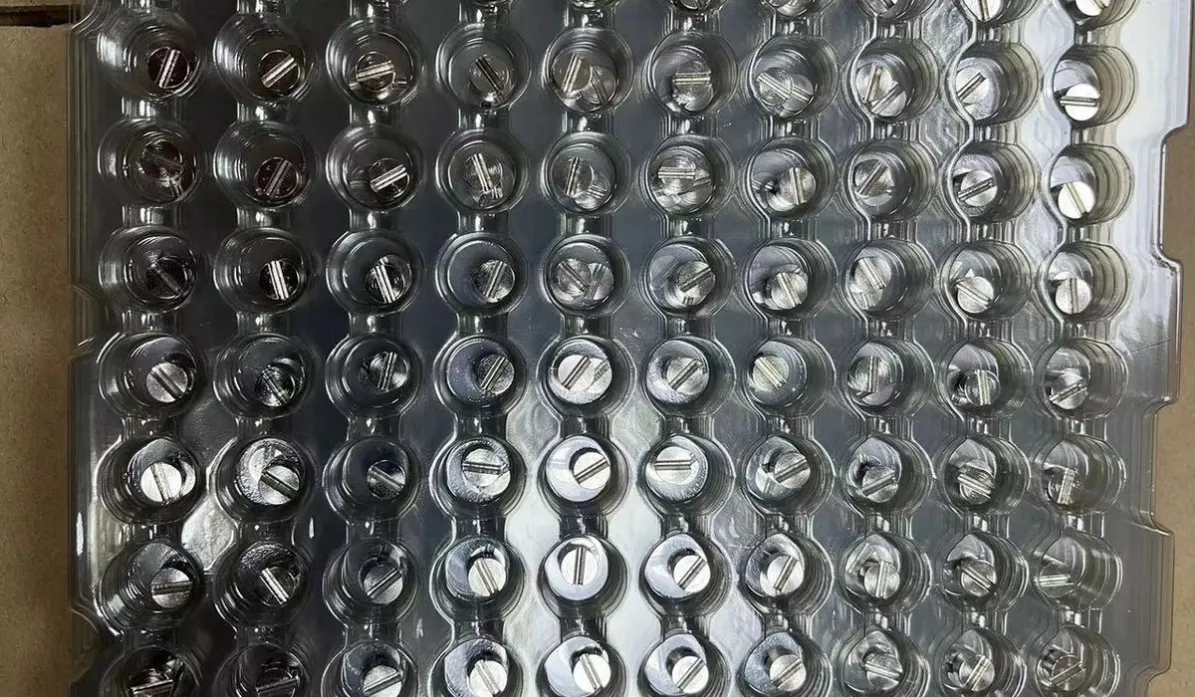
The tray then goes into the carton as a unit, instead of parts being poured in loose. For very small or delicate pieces, individual bags inside the tray cells add a second layer — worth it for parts with exposed threads or a cosmetic finish.
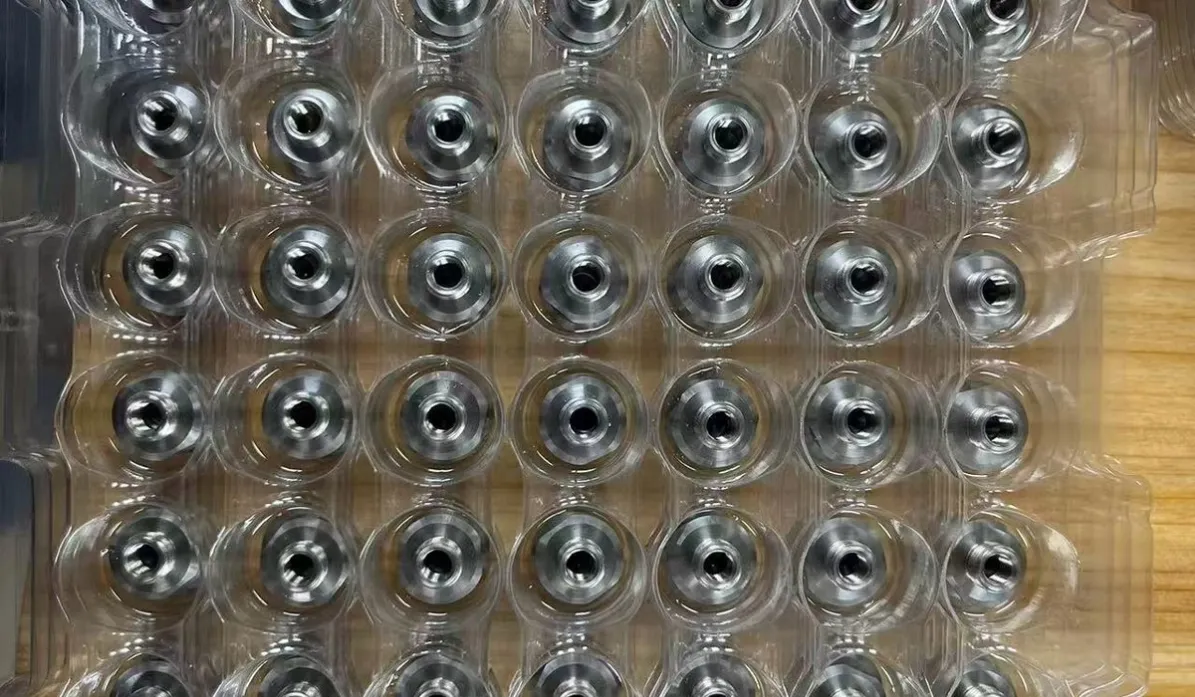
Finished Surfaces Get Separation
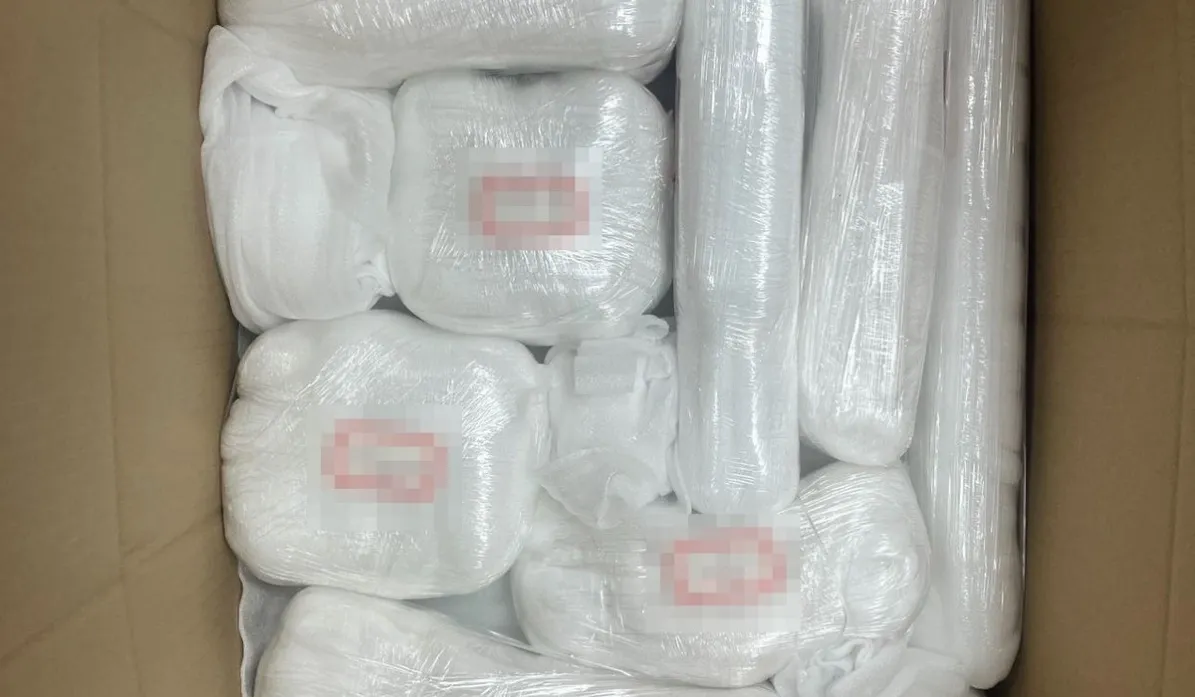
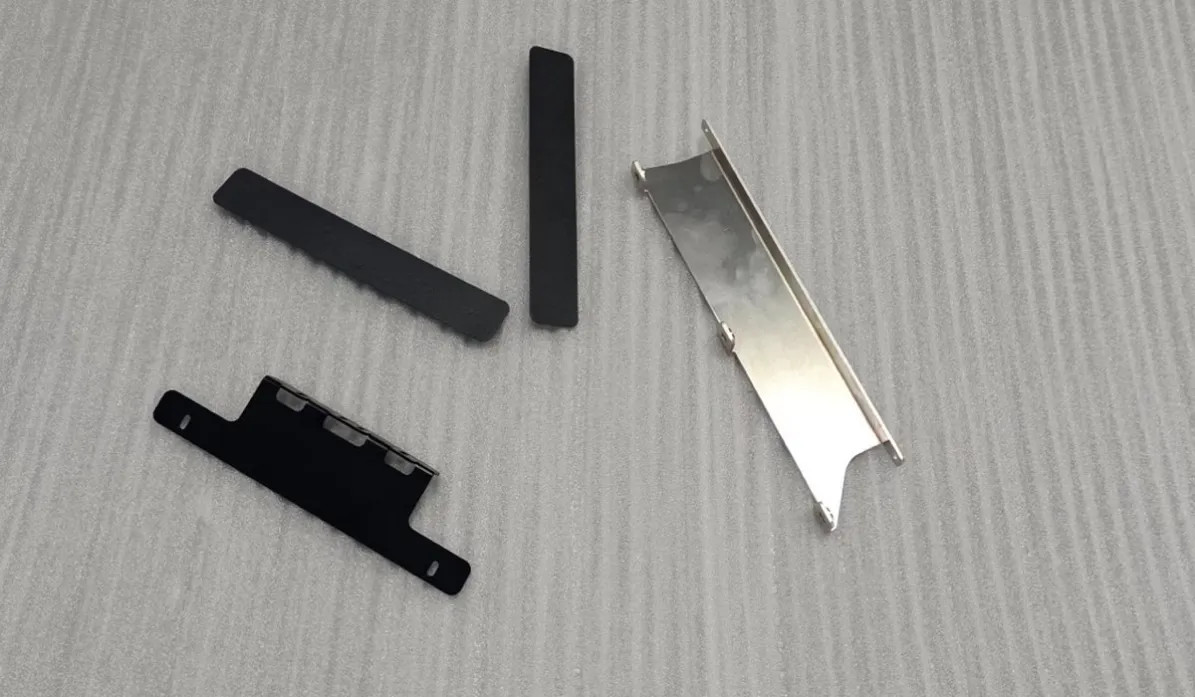
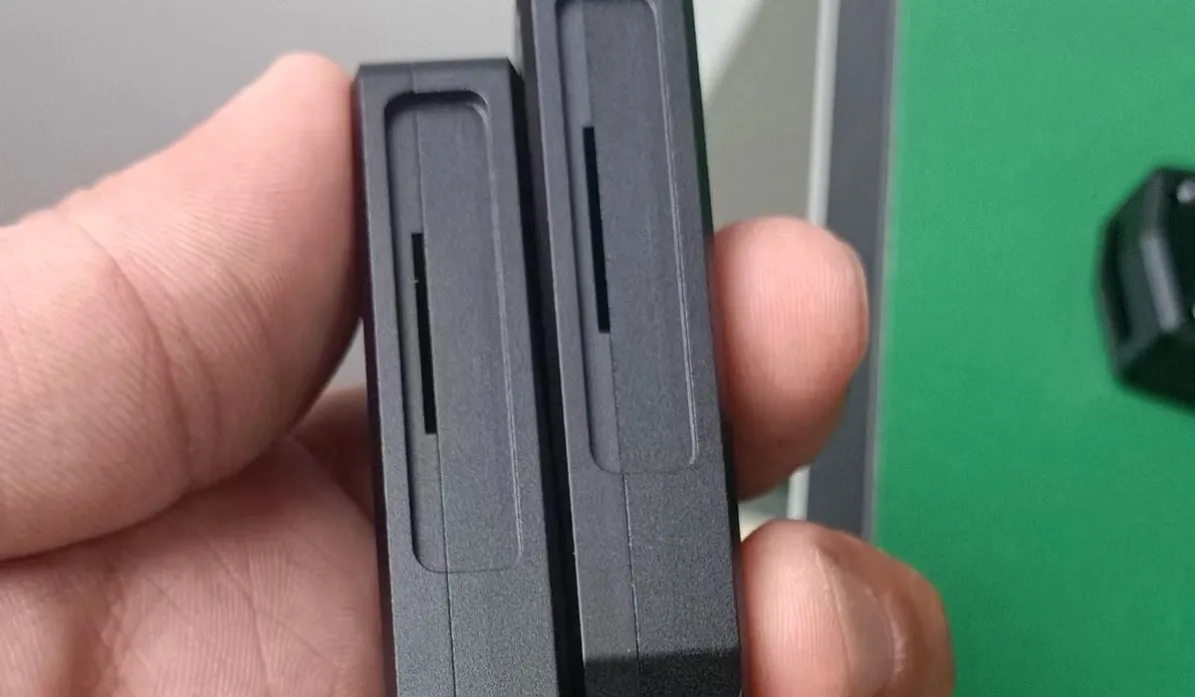
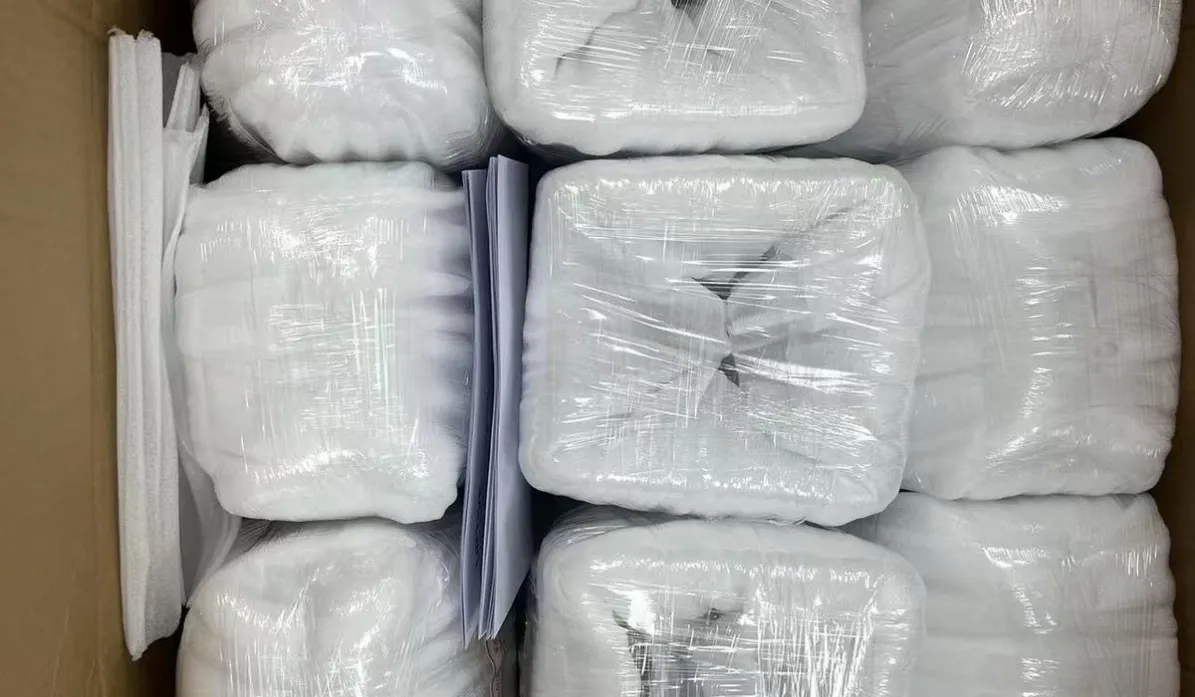
Parts that have been through surface finishing — anodized, bead blasted, powder coated, plated — are never packed face-to-face. Each part is bagged or wrapped individually, or separated by a layer of foam or paper, so finished surfaces only ever touch packaging, never each other. This is the step that protects the matte black anodize or the brushed finish you paid for: the finish survives the journey because it never meets another part on the way.
Heavier finished parts get the same separation treatment with sturdier wrapping, and they're packed so they can't shift: a part that can move in the box will, and movement is what does the damage.
Larger and Heavier Parts
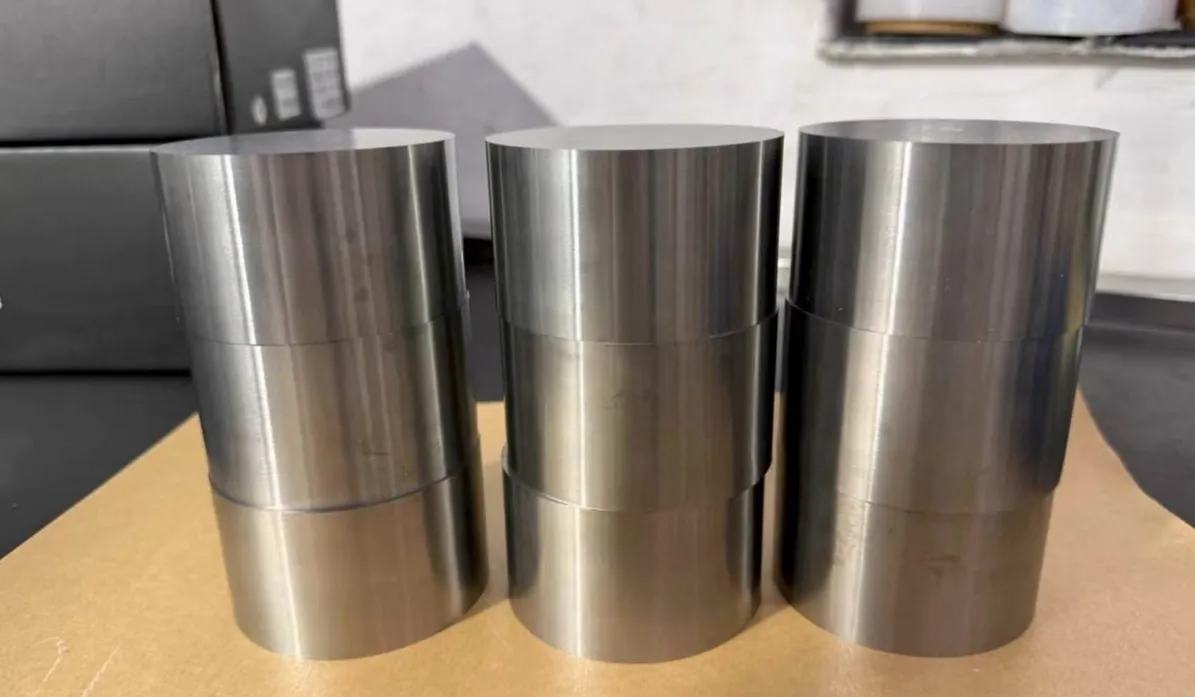
Big plates, housings, and heavy steel parts are packed around their own weak points. Protruding features and threaded studs are protected so the part doesn't rest on them; machined faces sit against soft layers, not cardboard; and the part is blocked in so its weight works with the carton instead of punching through it. Where a part is heavy enough to damage others, it ships in its own carton rather than sharing one — a slightly bigger freight bill is cheaper than a remade part.
Inspection First, Then the Carton
Packing starts only after inspection. Every order is checked before it ships — dimensions against the drawing, finish against the order — and packing is done from the inspected batch, so what goes in the box is what passed. FAI reports, material certificates, and certificates of conformance, when requested, are prepared with the order rather than after it.
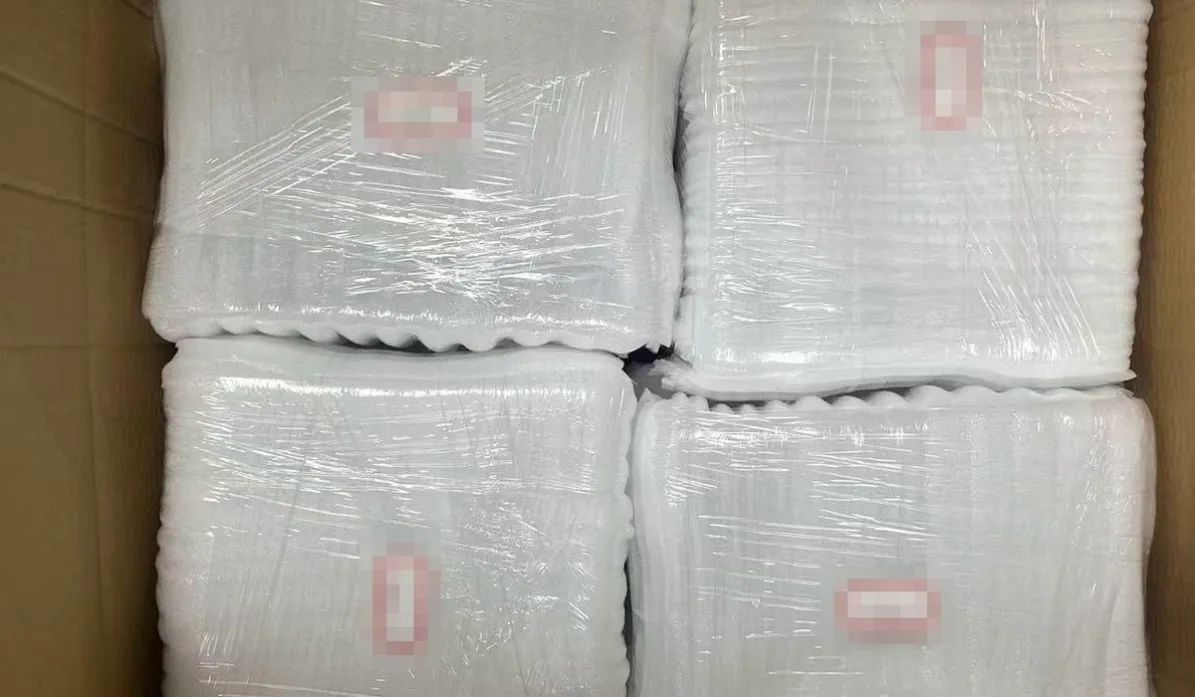
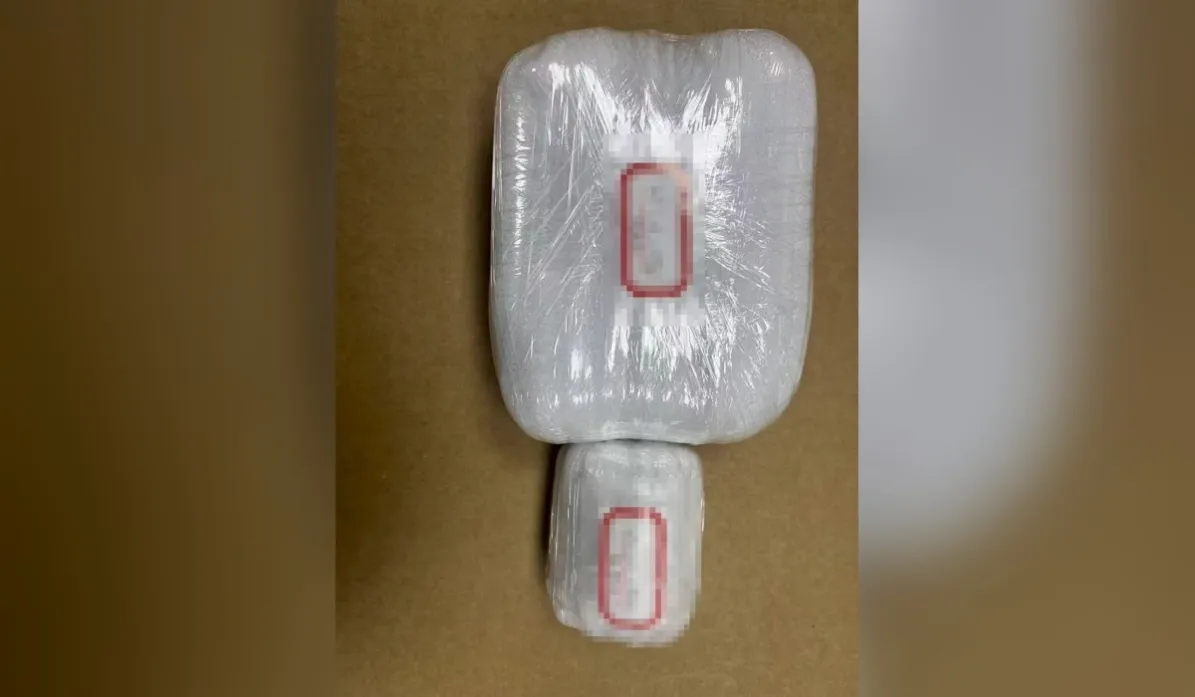
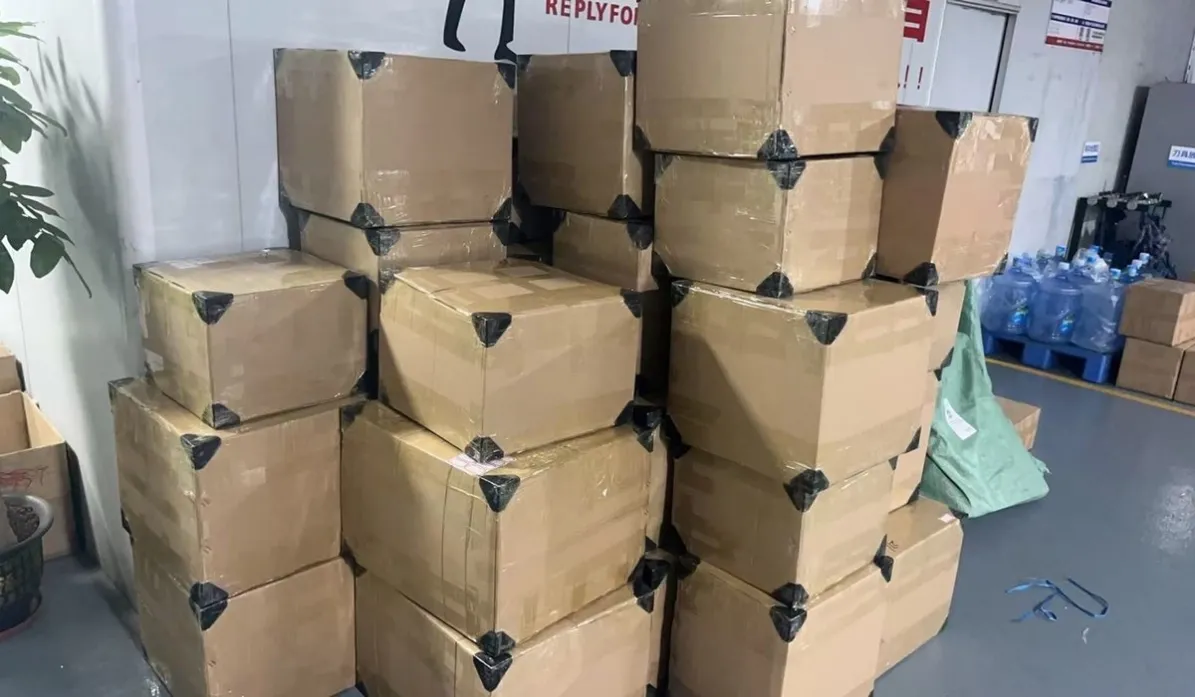
Cartons are packed tight — no voids for parts to rattle in — sealed, and labeled with the part number and quantity, so the box can be identified and checked against the packing list without opening it. Orders ship worldwide from our Dongguan facility; if your parts have a specific packing requirement — individual labeling, a set number per box, your own packaging spec — tell us at order stage and we'll pack to it.
FAQ
Do you charge extra for this packing? Standard protective packing — compartmented trays, individual wrapping, and carton packing as described here — is included with the order. If a part ever needs something beyond that, such as a custom crate for an oversized piece, we'll flag it in the quote so there are no surprises later.
Can you pack parts to my company's packaging specification? Yes. Send your spec with the order — parts per tray or box, labeling format, separation requirements — and we'll follow it. If something in it conflicts with protecting the parts, we'll flag it and suggest the fix rather than quietly improvising.
How do you keep different part numbers from mixing? Similar parts are never packed loose together. Each part number is bagged, trayed, or boxed separately and labeled, so a shipment with five look-alike parts arrives as five clearly separate packages.
Are parts inspected before they're packed? Yes — inspection comes first, packing second. Parts are checked against the drawing before anything goes into a tray or carton, so a part that fails inspection never gets packed by mistake.
Can I get photos of the packed parts before shipment? Yes, on request. We can send photos of the parts and the packing before the cartons are sealed, so you can see exactly what's coming.
Parts Packed Like They Matter — Because They Do
Good packing is invisible when it works: the box opens, the parts come out exactly as they left the inspection bench. If you'd like to see that standard applied to your parts, send your drawing through our CNC machining page — we reply within 8 hours, quotes come back within 24 hours, and your parts will travel the way they were made: carefully.