5-Axis CNC Machining
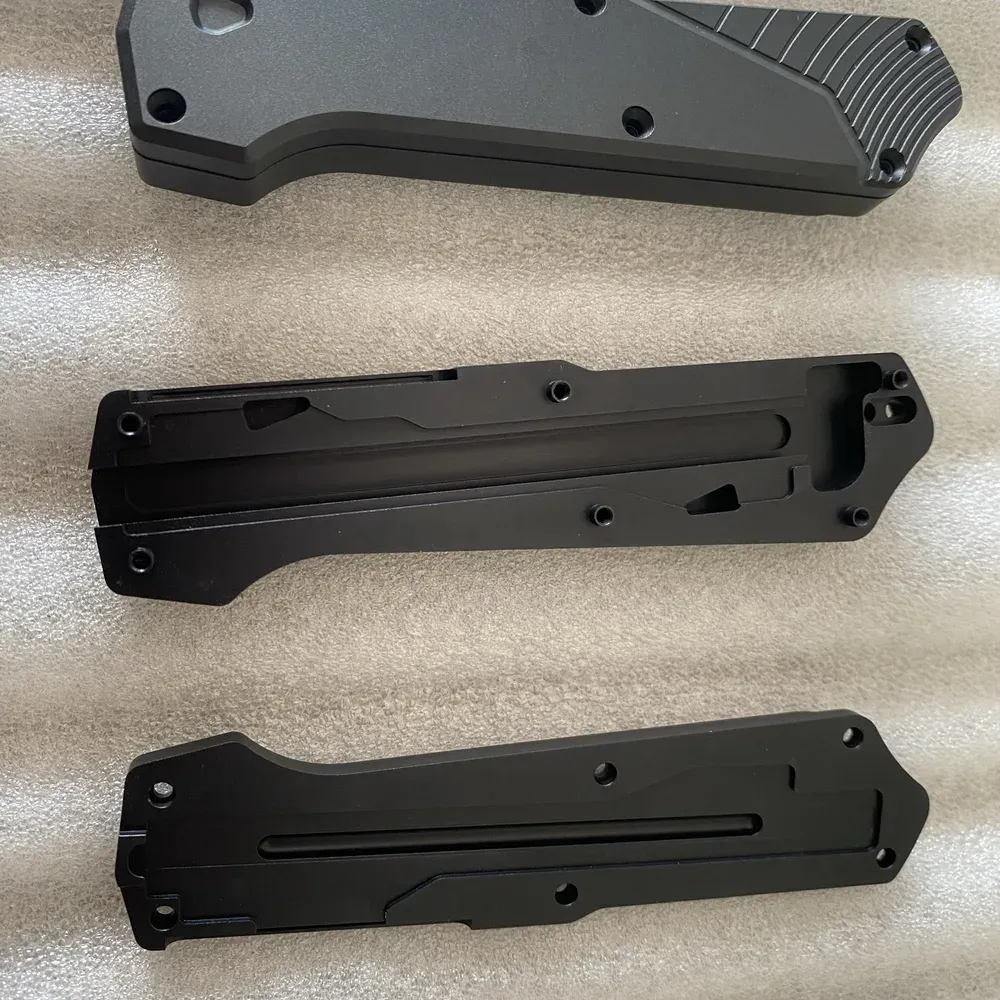
5-axis CNC machining for complex parts, undercuts and angled features in fewer setups. ±0.1 mm standard, ±0.01 mm achievable. Prototypes in 3–5 days.
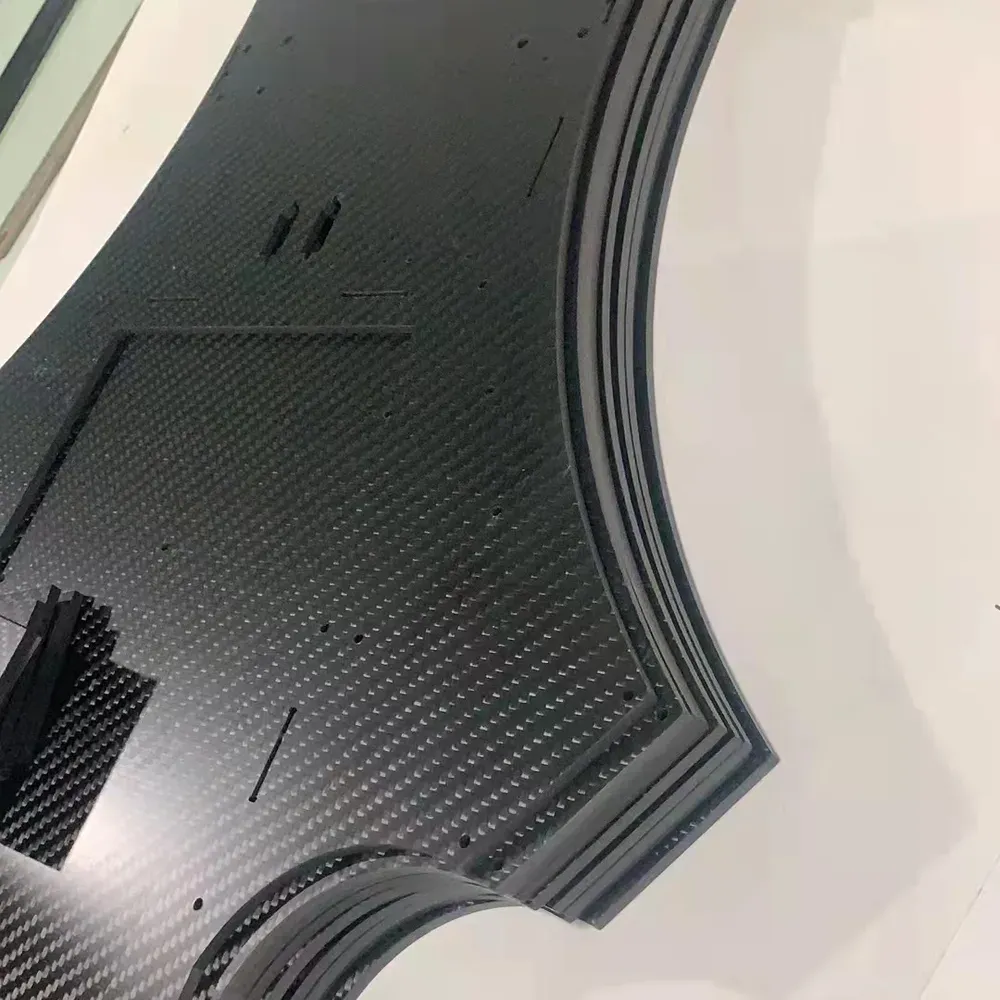
LEADER PROTO machines complex parts on 5-axis CNC centers, reaching undercuts and angled features in fewer setups. Tolerances of ±0.1 mm as standard and ±0.01 mm on critical features, with prototypes shipped in 3–5 days and quotes answered within 24 hours.
When 5-axis is worth it
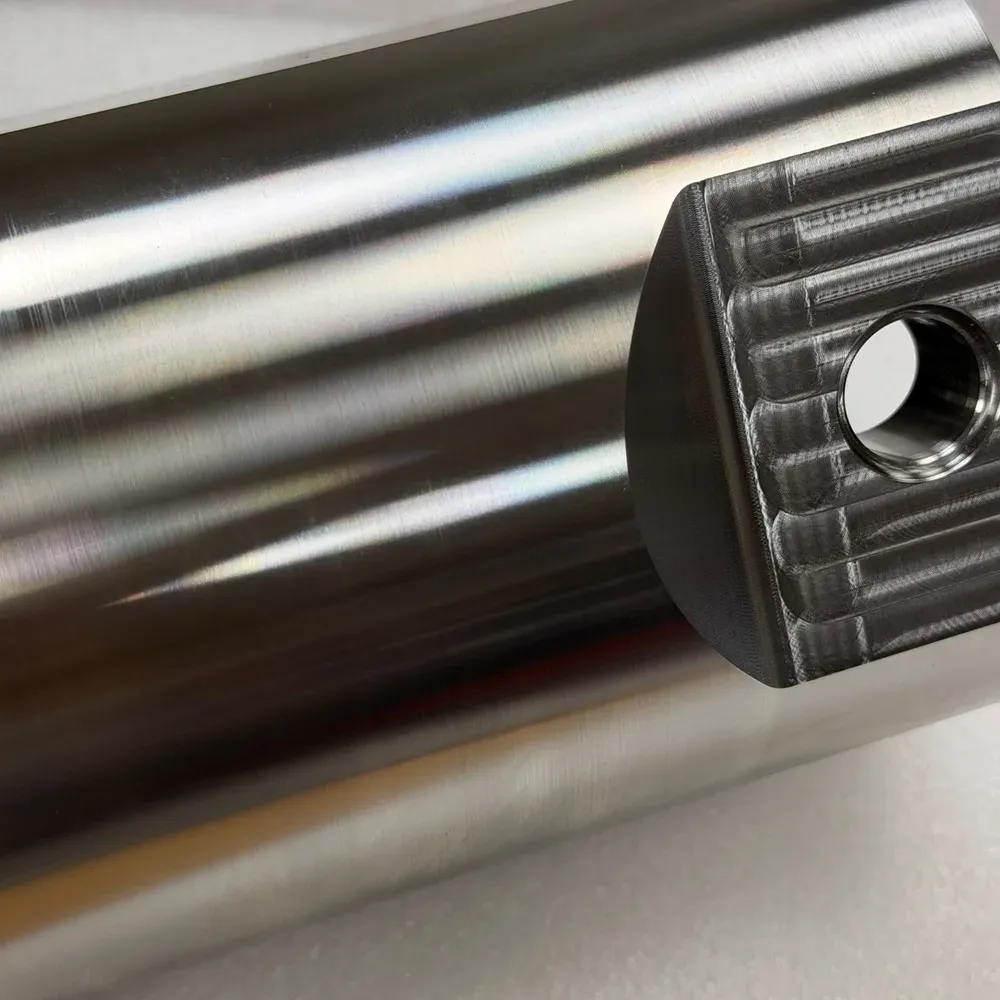
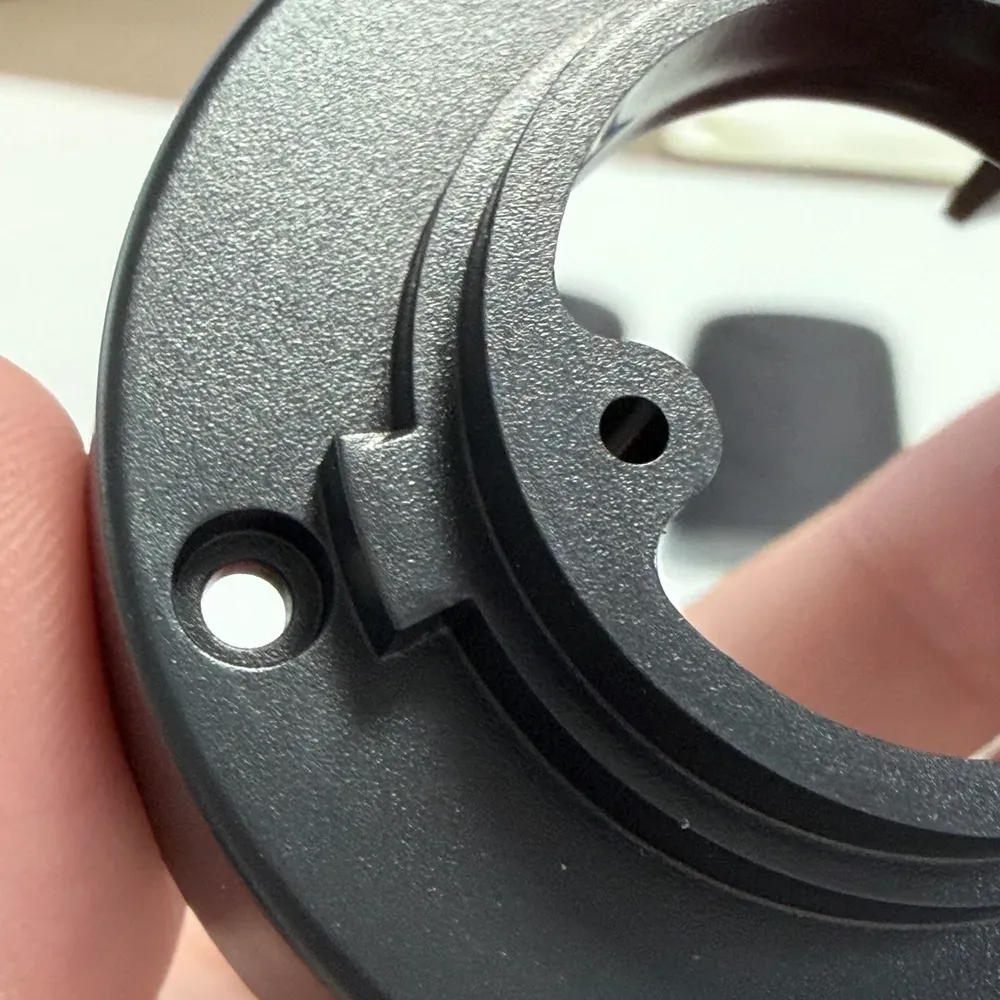
Choose 5-axis when a part has features on several faces, angled holes, undercuts or curved surfaces that a 3-axis machine can only reach by stopping and repositioning the part. Every repositioning adds time and a small position error. Machining the same part in one setup removes both. For flat, prismatic parts, our standard CNC machining service is the simpler route — we will say so at quoting if 5-axis adds nothing to your part. Our article on 5-axis machining for complex parts works through the decision in more detail.
5-axis vs 3-axis at a glance
| 3-axis | 5-axis | |
|---|---|---|
| Setups for multi-face parts | Several, one per face | Usually one |
| Undercuts | Not reachable | Reachable |
| Angled holes and faces | Limited | Yes |
| Best for | Flat, prismatic parts | Complex geometry |
Tolerances we hold
Standard tolerance is ±0.1 mm, with ±0.01 mm achievable on critical features. Because multi-face parts are finished in fewer setups, features on different faces hold their relative positions better than on a multi-setup route. Tolerances are confirmed feature by feature with the quote.
Materials we machine
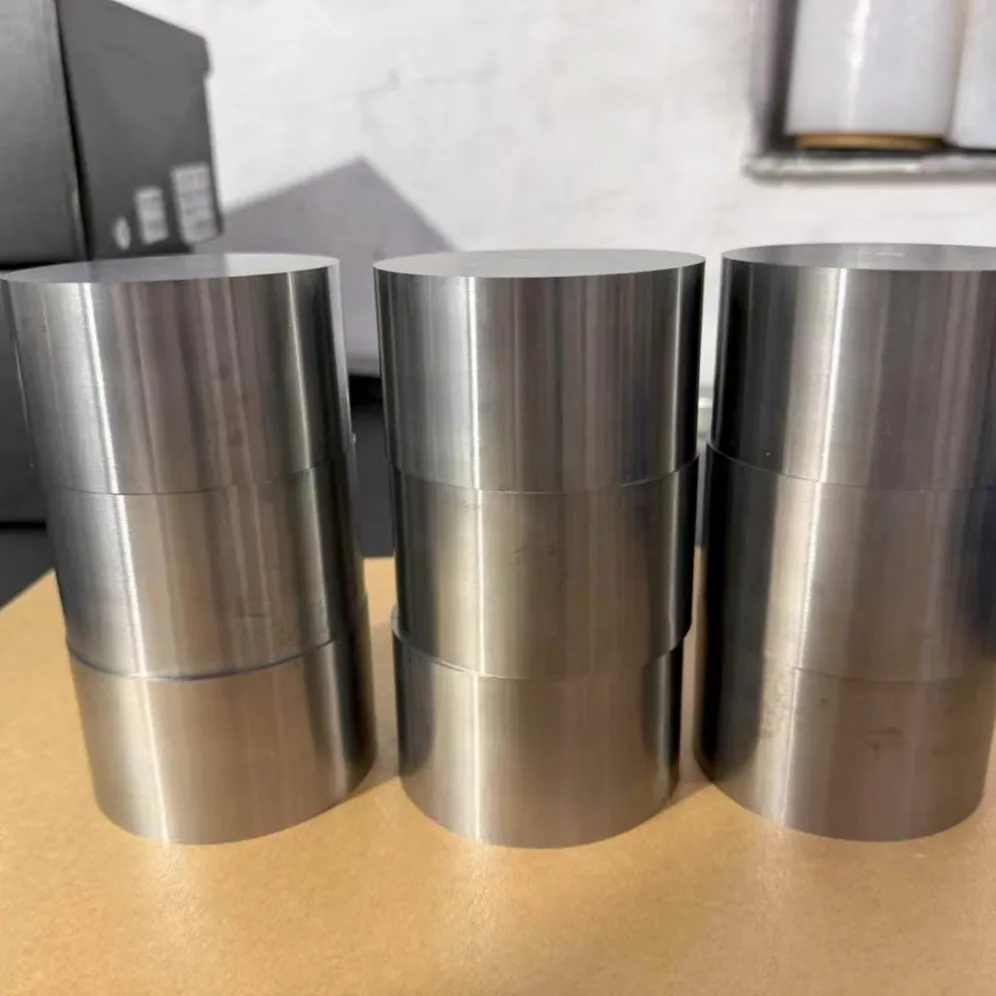
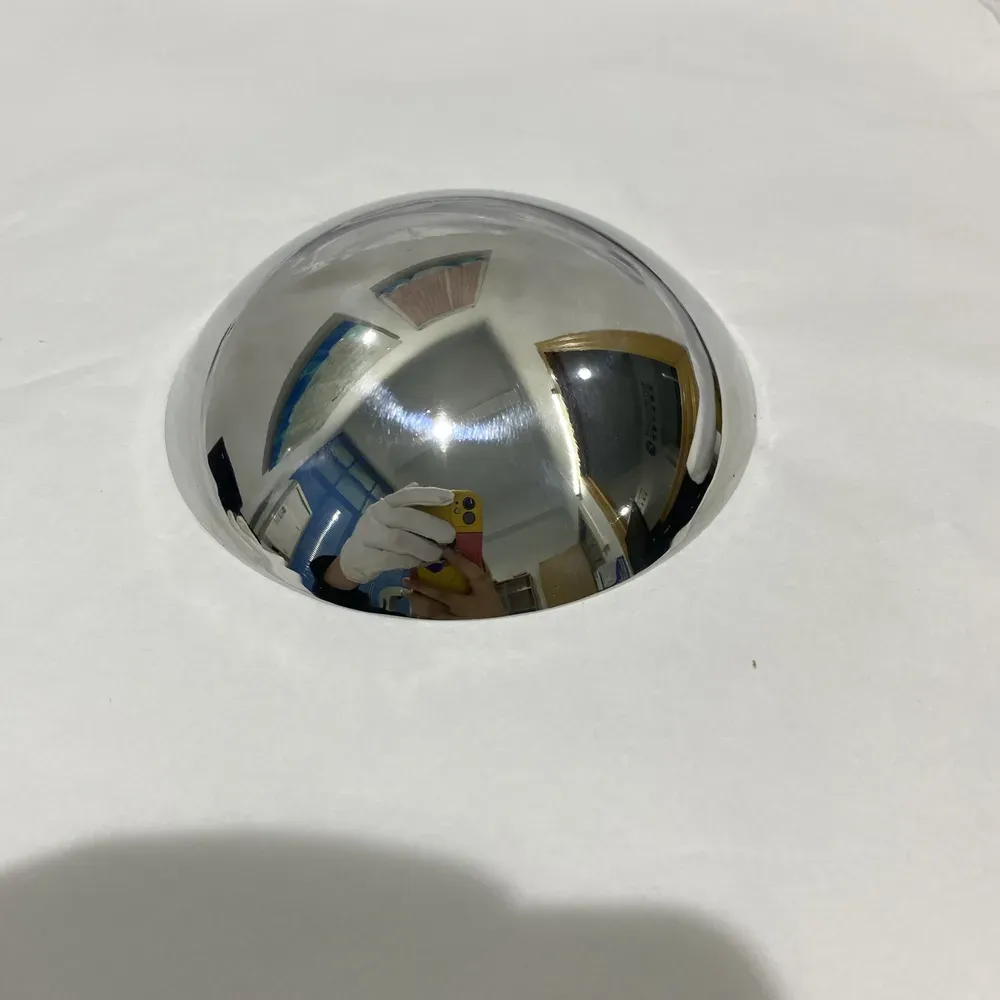
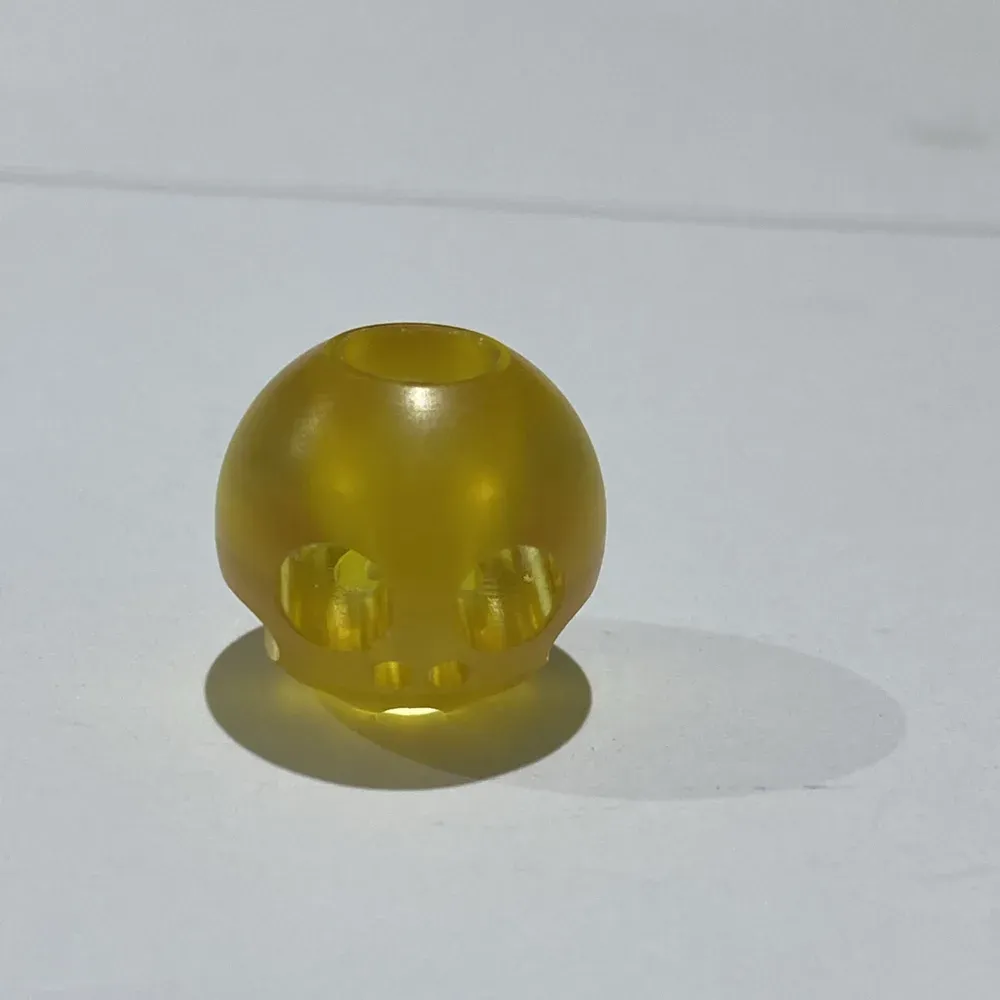
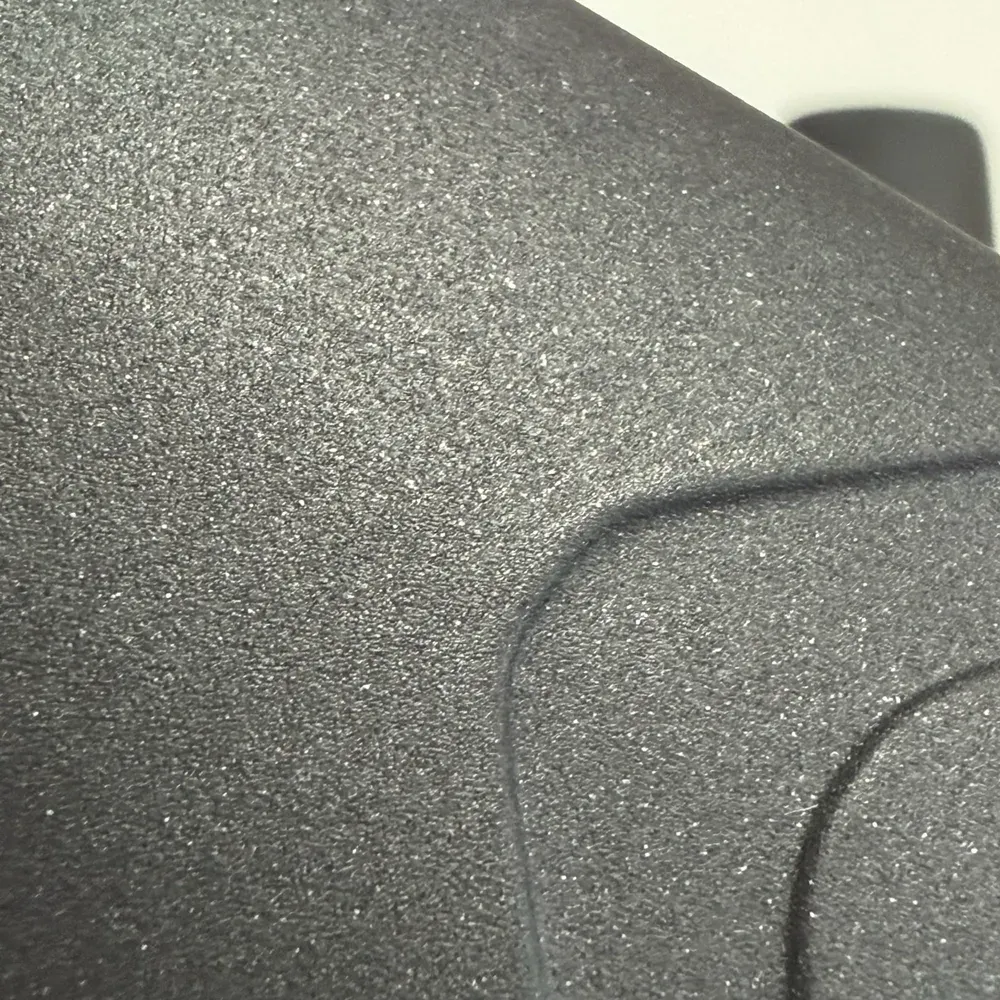
Aluminum alloys, stainless steel, carbon steel, copper, brass, titanium (Grade 2 and Grade 5) — see why titanium behaves differently in our article on machining titanium — and engineering plastics including POM, PEEK and nylon. Surface finishing is quoted and done as part of the same order.
How fast we deliver
Prototype and small-batch orders typically ship in 3–5 days. Complex geometry and finishing can add time; the quote states the lead time for your part.
Quality, documented
Every batch is inspected before it ships — CMM, vision measuring system, calipers, micrometers and hardness testing. On request we provide FAI first-article reports, material certificates and a CofC. NDAs are signed on request, before drawings change hands.
Frequently asked questions
When should I choose 5-axis over 3-axis machining?
When the part has features on several faces, angled holes or faces, or curved geometry that a 3-axis machine cannot reach without repeated repositioning. If the part is mostly flat and prismatic, 3-axis is usually the simpler and cheaper route — we will tell you at quoting.
Can you machine undercuts?
Yes. Tilting the tool or the workpiece lets us reach undercuts and side features that a fixed vertical tool cannot. Send the model or drawing and we will confirm reach before quoting.
Is 5-axis machining more accurate?
For multi-face parts, yes in practice: machining several faces in one setup removes the repositioning error of multiple setups, so features on different faces hold their relative positions better. The tolerance figures are the same: ±0.1 mm standard, ±0.01 mm achievable on critical features.
What is the maximum part size for 5-axis machining?
It depends on the geometry — a tilting workpiece needs swing room, so the usable envelope is smaller than the machine travel. Send the drawing or model and we will confirm fit and workholding before quoting.
Does 5-axis machining cost more?
The machine time costs more per hour, but fewer setups and less manual repositioning often offset that on complex parts. On simple parts it is not worth it. Every part is quoted from the drawing, so you see the real figure before committing.
How long does a 5-axis prototype take?
Most prototype and small-batch orders ship in 3–5 days. Complex geometry and finishing can add time; the quote states the lead time for your part.
What materials can you machine on 5-axis?
Aluminum alloys, stainless steel, carbon steel, copper, brass, titanium (Grade 2 and Grade 5), and engineering plastics including POM, PEEK and nylon.
Can you machine titanium parts?
Yes, in Grade 2 and Grade 5. Titanium machines slowly and wears tooling faster, which the quote reflects. Our article on machining titanium explains when it is worth the cost.
What inspection documents can you provide?
Every batch is inspected before shipping. On request we provide a first article inspection (FAI) report, material certificates and a certificate of conformance (CofC).
Can you sign an NDA?
Yes. We are happy to sign an NDA before you send drawings or models. Files are only used to quote and manufacture your parts.
Send a drawing — quote within 24 hours. Contact us to start.