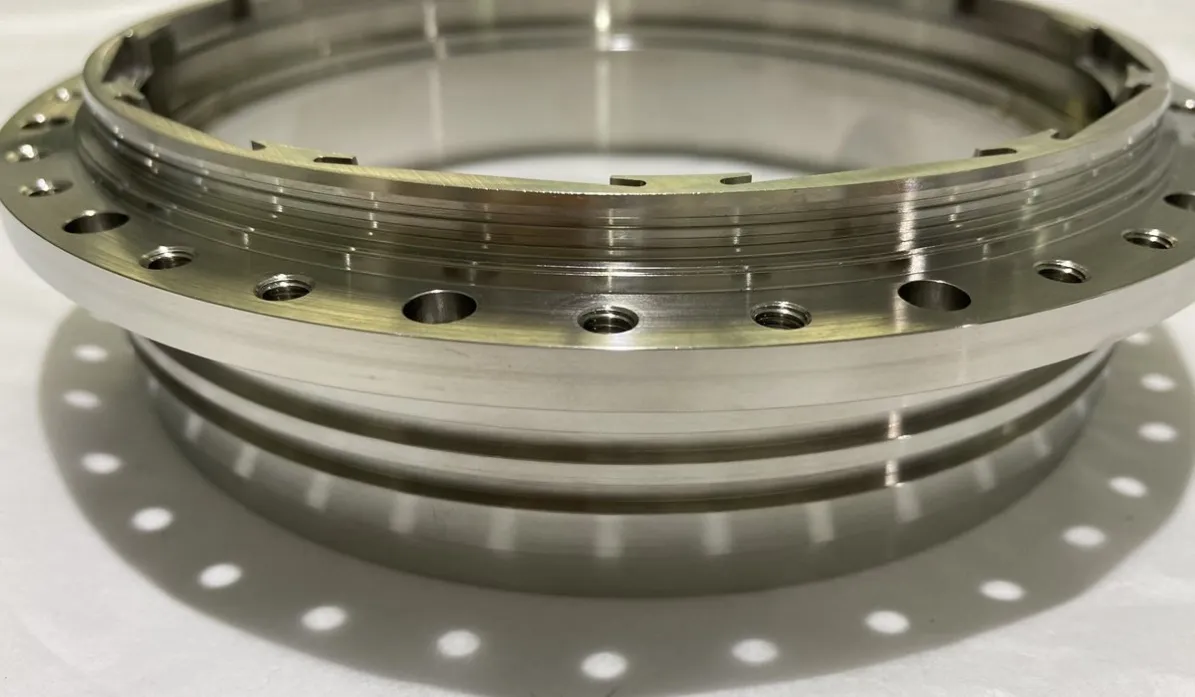
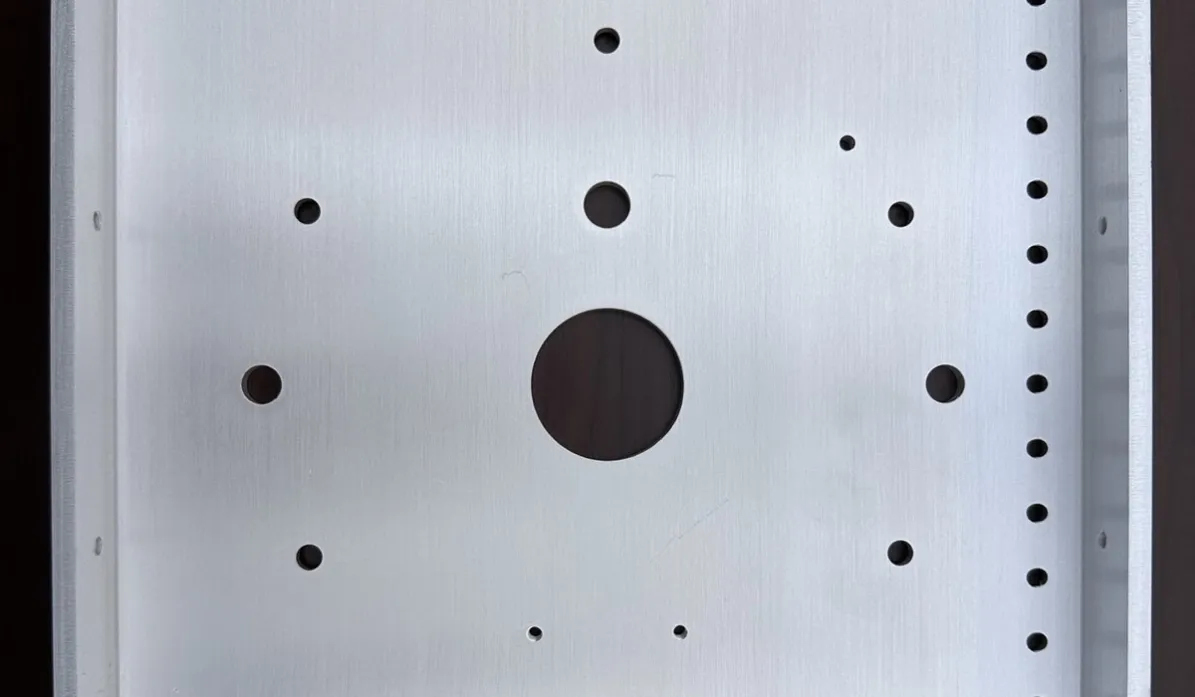
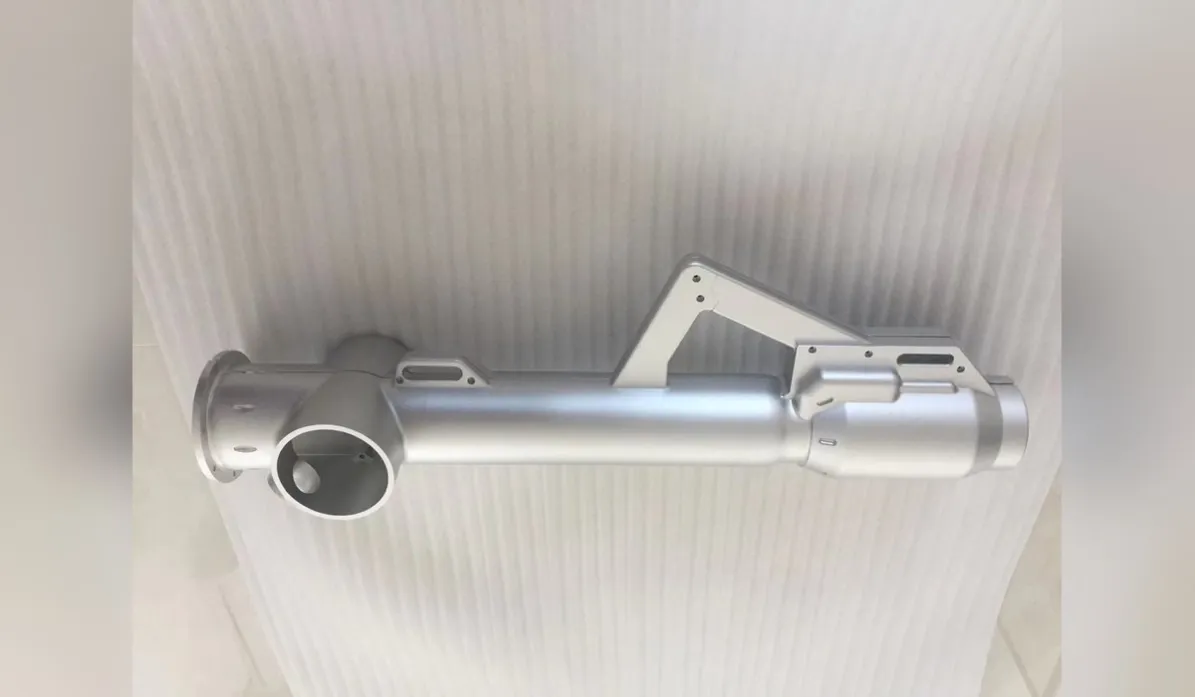
Water-Cooled Plates and Cold Plates
Machined water-cooled plates and cold plates: milled channels, brazed or friction-stir covers, flat mounting faces and a pressure test on every plate.
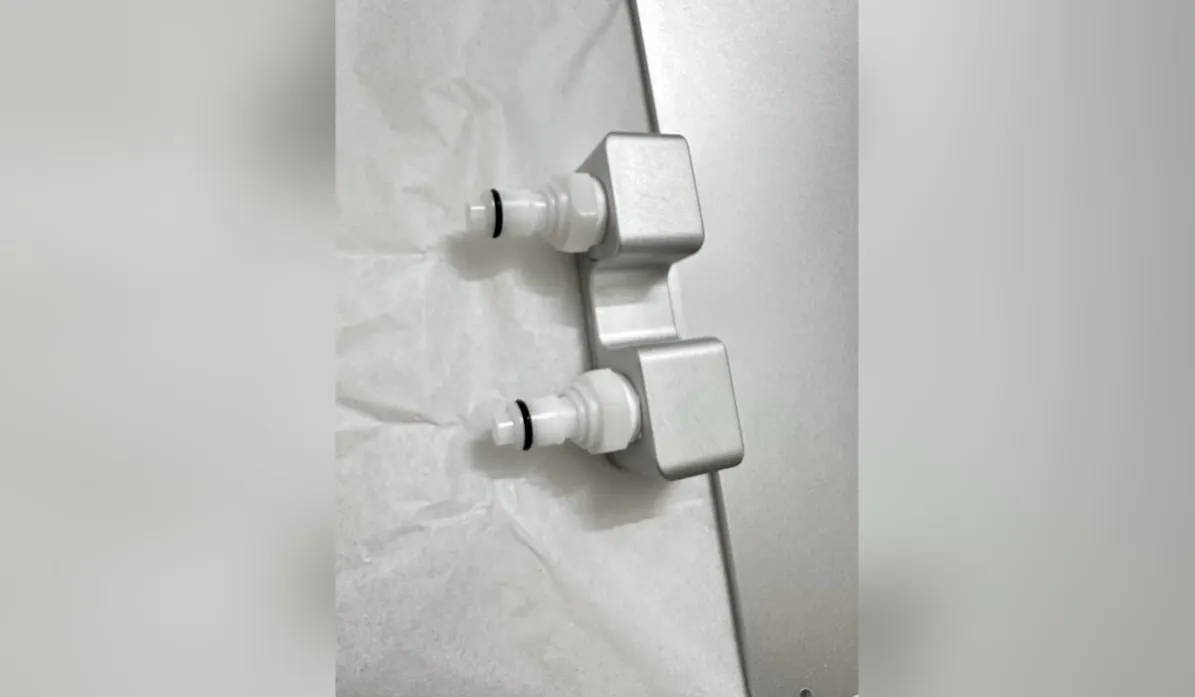
Yes — we machine water-cooled plates and cold plates, in aluminum and in T2 copper. The construction is the familiar one: flow channels machined into the plate, a cover plate brazed over them to close the circuit, and the finished plate pressure tested before it ships. Send the drawing or model — with the port positions and the face your components mount on marked — and we will quote the plate as drawn.
The parts we make
- Cold plates for power electronics. Plates that sit under power modules and similar heat sources, where the mounting face flatness decides how well the whole stack works.
- Water-cooled plates with milled channels. Serpentine and parallel channel layouts milled into the plate and closed with a brazed cover, so the coolant path follows the heat.
- Drilled-passage plates. Plates where the circuit is formed by deep-drilled holes and plugged entries instead of an open channel — simpler, and often enough where the heat is spread out.
- Cover plates and companion parts. The lids, port blocks and fittings faces that complete the plate, machined in the same job so the set matches.
Cooling that stays in air is the neighbouring family — the copper skived fin heatsinks and heatsink enclosures cover that side.
Materials
- 6061-T6 aluminum is the default: light, corrosion-manageable with treated water, and easy to machine into detailed channel layouts.
- T2 copper (≈ C11000) where conductivity decides the design — copper moves heat from the mounting face into the coolant faster than aluminum, at the cost of weight and a softer, more demanding metal to machine. It is the same grade family as the copper busbars we machine, and it gets the same respect: sharp tooling, controlled burrs, careful handling.
Finishes follow the drawing: aluminum plates are anodized where specified, copper plates are plated where the drawing calls for it, and the mounting face is finished as a working face, not a cosmetic one.
How a cold plate is built
Channels first. The channel layout is milled into the open plate, where every wall and corner can be seen and measured. Channel depth and the thickness of metal left between the channel and the mounting face are held to the drawing — that remaining thickness is what the plate works through, and it is not the place for surprises.
Then the cover, brazed. The cover plate is brazed over the channels, sealing the circuit in one operation. Brazing is used because it seals the full perimeter and every internal wall the coolant touches, with no gasket to age and no fasteners inside the flow path.
Faces finished after sealing. Sealing a plate can move it slightly, so the mounting face is finished and checked after the brazing, not before. The face your components bolt to is the face that gets the attention: flat, smooth, and measured as a functional surface.
Pressure tested. Every finished plate is pressure tested before it ships. A plate that weeps at a braze line is scrap here, not a problem discovered on your test bench with electronics mounted on it.
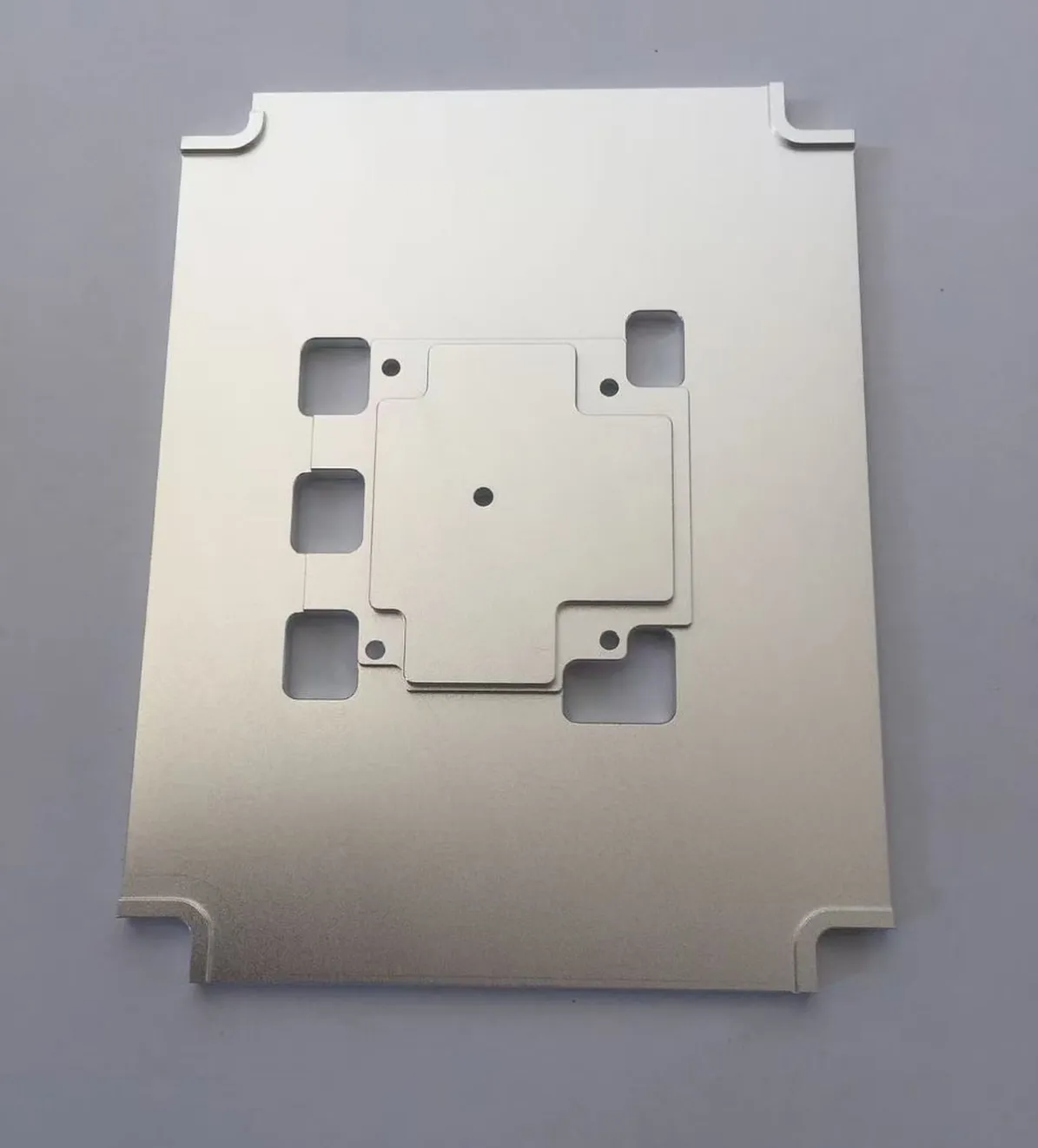
The details that decide whether it works
- Mounting face flatness. The thermal interface is only as good as the contact. Flatness of the mounting face is machined and checked as the plate's primary feature.
- Burrs at ports and channel edges. A burr in a coolant circuit ends up in a pump or a micro-channel downstream. Ports and channel edges are deburred, and plates are flushed and cleaned before testing and packing.
- Port threads. Inlet and outlet threads are cut or milled to the callout and checked — the plate is useless if your fittings will not start.
- The metal under the channels. The metal between the coolant and the mounting face carries both the pressure and the heat path. It is held to the drawing, not thinned to make machining easier.
Inspection and packing
Channel layout and depth are verified before the cover goes on — after brazing, that chance is gone. Finished plates are checked for port positions, thread fit and mounting-face flatness, then pressure tested, flushed and dried. Ports are capped or plugged for shipping and plates are packed face-protected, so the mounting face arrives as it was measured. First article reports and material certificates are available on request.
What to send for a quote
The drawing or model, the material, the port callouts, which face is the mounting face, and the quantity. If the channel layout is still being designed, send what you have — the heat load and the envelope are enough for a first conversation about which construction suits it. Send your drawing / sample for a quote via our contact page — enquiries are answered within 8 hours and quotes usually come back within 24 hours.
FAQ
Aluminum or copper — which should a cold plate be? Aluminum for most plates: lighter, cheaper, and entirely adequate where the heat flux is moderate. Copper when the heat is concentrated and the temperature drop across the plate itself matters — the conductivity difference is real, and so is the weight and cost difference. If you are between the two, send the drawing and the heat load and we will say which we would make.
How are the channels sealed? The cover plate is brazed to the channel plate, sealing the perimeter and the internal lands in one joint. There is no gasket in the flow path to age, swell or leak.
Do you pressure test every plate? Yes. Every finished plate is pressure tested before shipping, after brazing and finishing. Plates that fail do not ship.
Can you machine the fittings ports to my thread? Yes — ports are machined to the thread callout on the drawing, metric, BSP or NPT, and checked before the plate is packed.
What flatness can the mounting face hold? Flatness is held to the drawing and finished after brazing, which is when it counts. Tell us what the interface needs — if a figure is critical, mark it on the drawing and it is inspected and recorded as such, rather than left to a general tolerance.
What tolerance do cold plates hold generally? Standard work is ±0.1 mm (±0.004"), with ±0.01 mm (±0.0004") achievable on features that genuinely need it. On a cold plate, the features that usually earn the attention are the mounting face and the port positions.