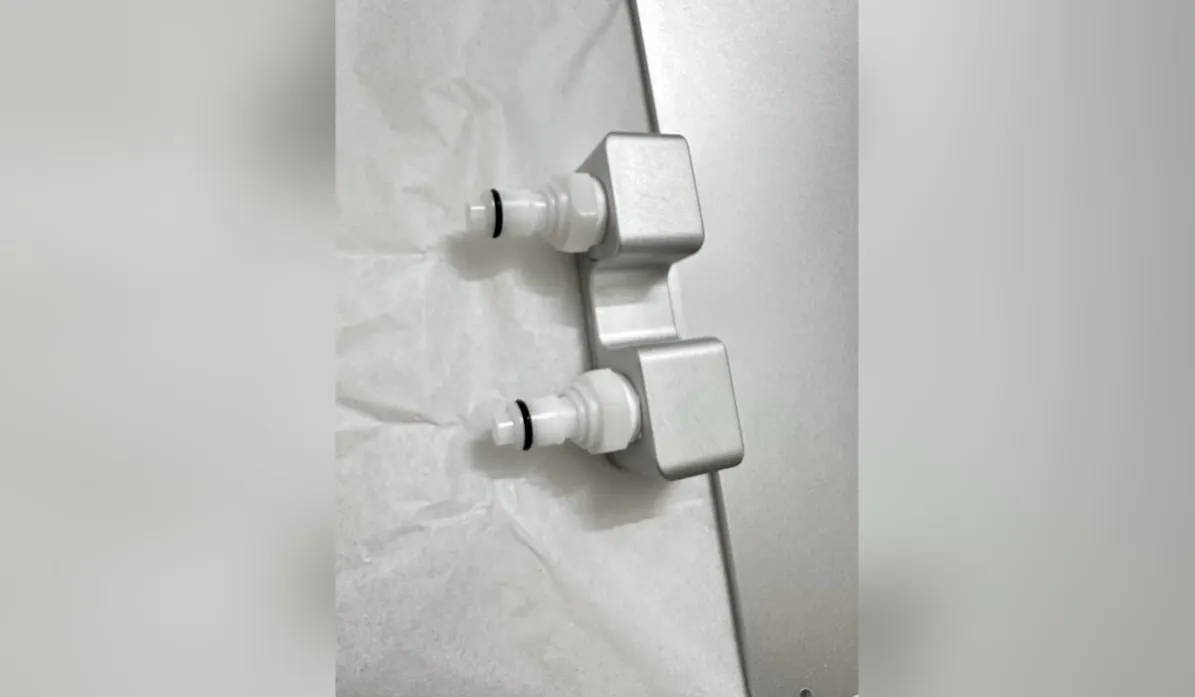
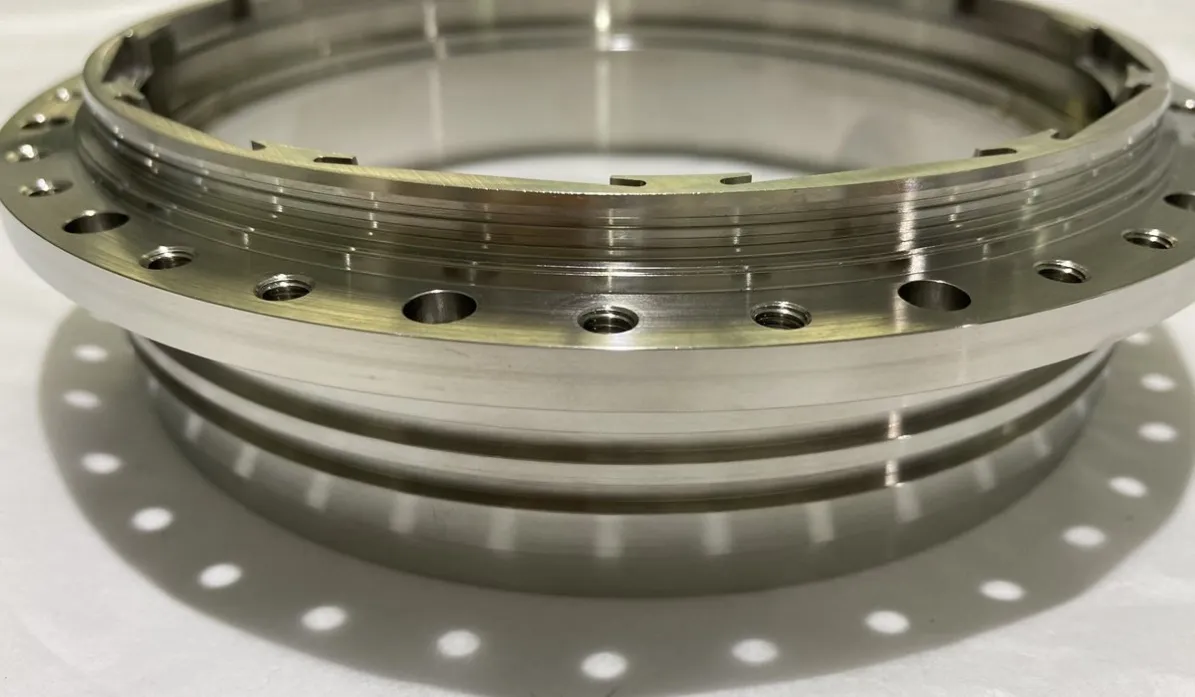
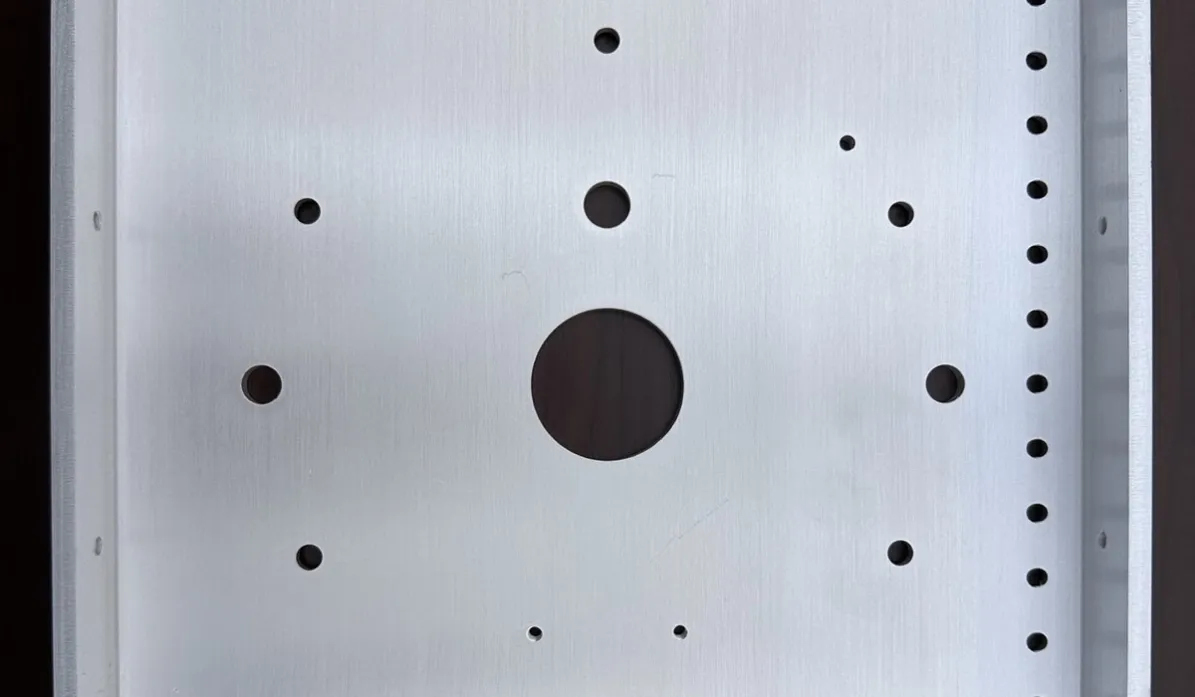
Machined Sensor Housings in Aluminum and Stainless Steel
Custom sensor housings machined in aluminum and stainless steel: sealed cable entries, O-ring grooves, thin walls and finishes from anodize to passivation.
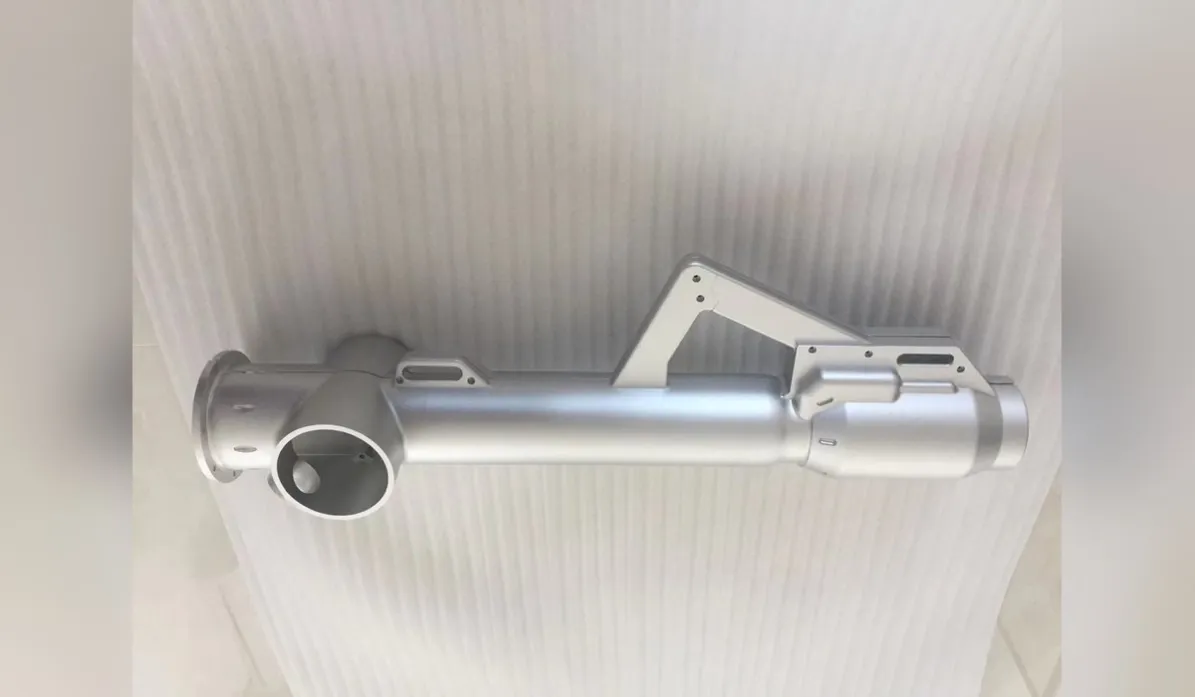
Yes — we machine custom sensor housings to your drawing, in aluminum and stainless steel. The usual features are all in our normal work: O-ring grooves, threaded cable entries, mounting faces and flanges, and anodized finishes with the grounding faces masked so they stay conductive. Send the drawing or the 3D model and we will quote the housing as drawn, finish and masking included.
The parts we make
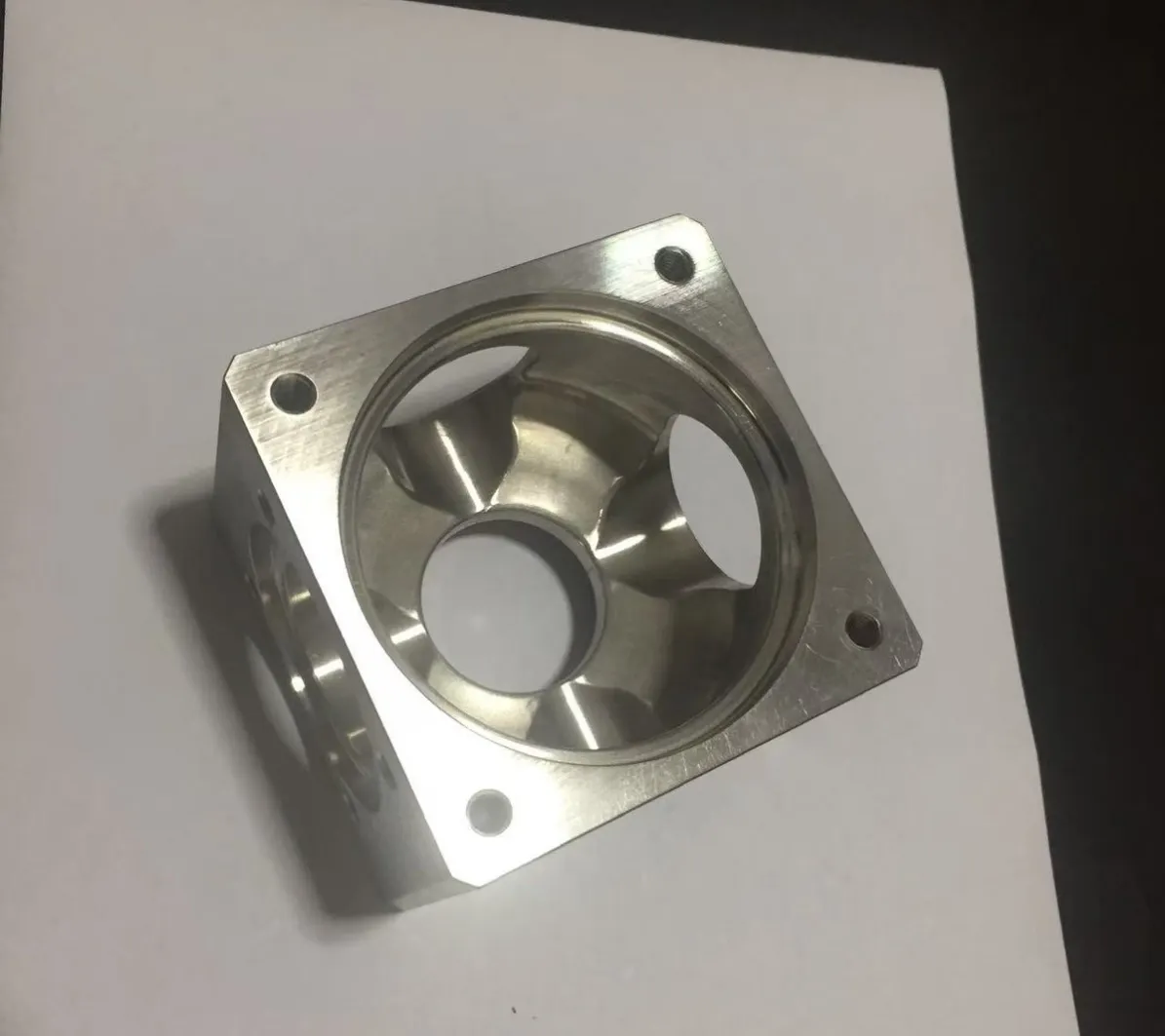
- Housing bodies. Round and rectangular bodies with internal pockets for the sensing element and electronics, machined from solid in one or two setups so the sealing faces and mounting faces stay square to each other.
- Caps, lids and covers. Flat and stepped covers with O-ring grooves, including covers that carry the cable entry or a connector thread.
- Mounting flanges and brackets. The feet, flanges and brackets that bolt the housing onto the machine or structure it serves.
- Threaded entries and ports. Cable gland threads, conduit threads and plain through-holes for cable exits, cut where the drawing puts them.
Materials and finishes
Most sensor housings are 6061-T6 aluminum — light, easy to machine, and it anodizes well, which matters when the housing lives outdoors or in a washdown area. Where corrosion or cleaning chemicals rule aluminum out, the same housings are made in 304 or 316 stainless steel; 316 is the usual choice where the housing faces water, washdown or corrosive air.
Finishes follow the environment the housing works in:
- Anodizing to MIL-PRF-8625 Type II, clear or black, is the standard aluminum finish — our guide to Type II vs Type III anodizing covers the difference.
- Hardcoat (Type III) where the housing gets knocked, slid or cleaned often and the surface has to take wear.
- Chem film where the whole part needs a conductive, corrosion-resistant finish rather than an insulating anodized layer.
- Masked faces. Grounding and electrical contact faces are masked during anodizing so they stay bare, conductive metal. We machine with the anodize build-up in mind, so precision bores and threads still finish in tolerance after coating.
Black anodizing is also common on housings that sit near cameras or optics, where reflections are a nuisance — the same reason parts in our black anodized plate parts article are finished matte black.
What makes a housing seal and assemble properly
- O-ring grooves. Groove width, depth and corner radii are machined to the ring size on the drawing, and the groove finish matters as much as the size — a rough groove leaks slowly no matter how good the ring is.
- Mating faces. The faces that meet the O-ring or a gasket are machined flat and finished smooth, and checked as sealing faces, not just as general dimensions.
- Threads that start cleanly. Cable entries are useless if the gland will not start. Threads are cut or milled to the callout and checked with gauges where the size allows.
- Masking that lands where it should. A masked grounding face is only useful if the mask edge follows the drawing. Mask boundaries are set from the drawing, and coated parts are checked face by face before packing.
- Wall thickness around pockets. Thin housing walls move when the pocket is cut. Roughing and finishing are sequenced so the walls are supported as long as possible, and thin sections are measured after the part relaxes, not straight off the machine.
These housings sit in the same family as the optical mounts and lens barrels we machine — small enclosures where the finish, the threads and the sealing faces all have to be right at the same time.
Inspection and packing
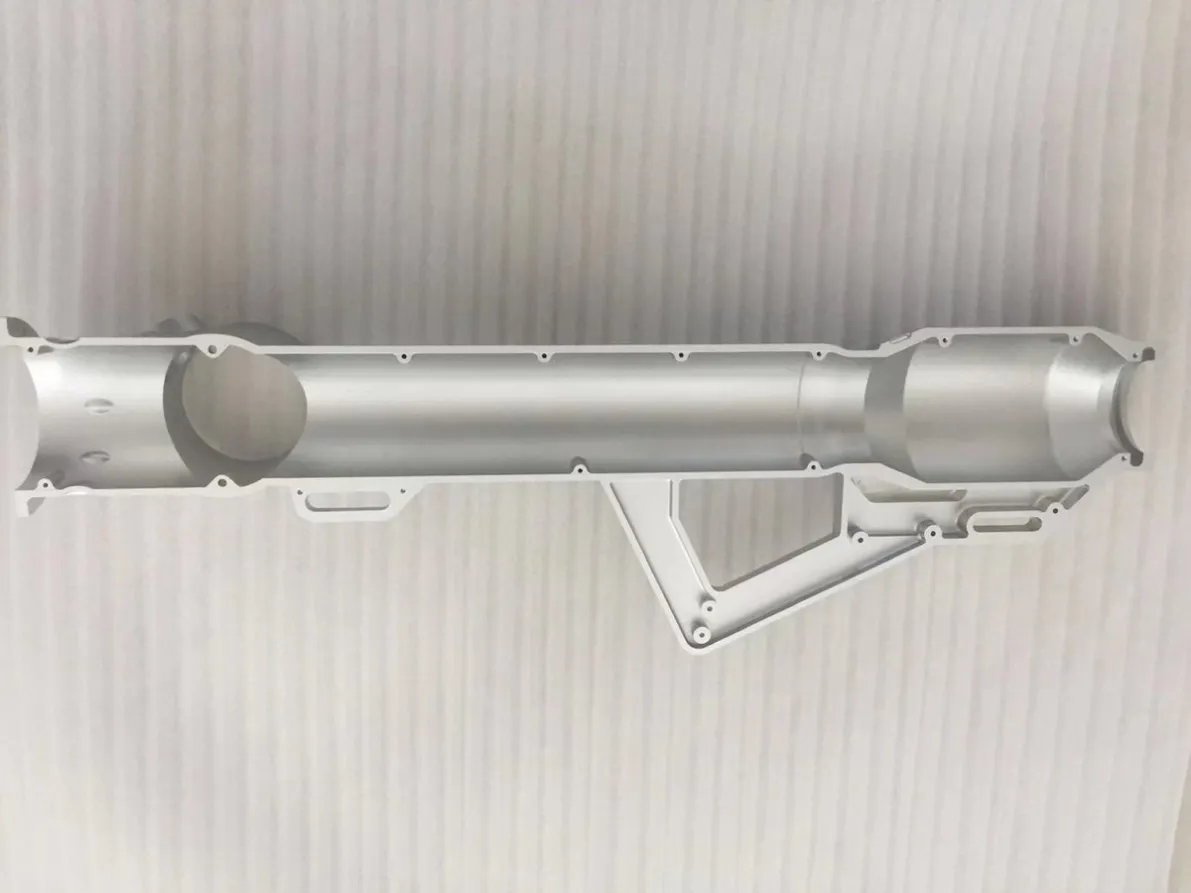
Critical dimensions are recorded against the drawing — groove sizes, thread fits, hole positions and the flatness of sealing faces. Anodized parts are checked for coverage and for clean, uncoated masked faces. Housings are packed so finished faces do not ride against each other in the box; threaded entries are protected, and small lids and bodies are bagged separately when a set ships together. First article reports, material certificates and a certificate of conformance are available on request.
What to send for a quote
The drawing or model, the material, the finish — including which faces must stay conductive — the O-ring size if it is not on the drawing, and the quantity. If the sealing arrangement is still being decided, say so with the enquiry and we will flag what the groove on the drawing will and will not do. Send your drawing / sample for a quote via our contact page — enquiries are answered within 8 hours and quotes usually come back within 24 hours.
FAQ
Can you machine the housing and its lid as a set? Yes, and it is usually better that way — the groove, the lid face and the bolt pattern are then machined by the same shop to the same drawing set, and the set ships together.
Do you fit the O-rings, cables or electronics? No. We supply the machined metal parts, finished and inspected. Fitting seals, cables and the sensing element stays with you, which is how most of our customers prefer it — the housing arrives ready for their own assembly line.
Can a grounding face stay uncoated on an anodized housing? Yes. Grounding and electrical contact faces are masked before anodizing and stay bare metal. Tell us which faces on the drawing, or mark them up and send the markup with the enquiry.
Aluminum or stainless — which should a housing be? Aluminum if weight matters and the environment is ordinary; it is also the cheaper of the two to machine and finish. Stainless — usually 316 — when the housing faces washdown, chemicals or a corrosive atmosphere and a coating failure would be a problem.
What tolerance can the housing features hold? Standard work is held to ±0.1 mm (±0.004"), and ±0.01 mm (±0.0004") is achievable on the features that genuinely need it, such as a bore the sensing element locates in. Tell us which features are critical and the quote will reflect them.
Can you sign an NDA for a new sensor design? Yes. NDAs are routine, and drawings are only used to quote and make your parts.