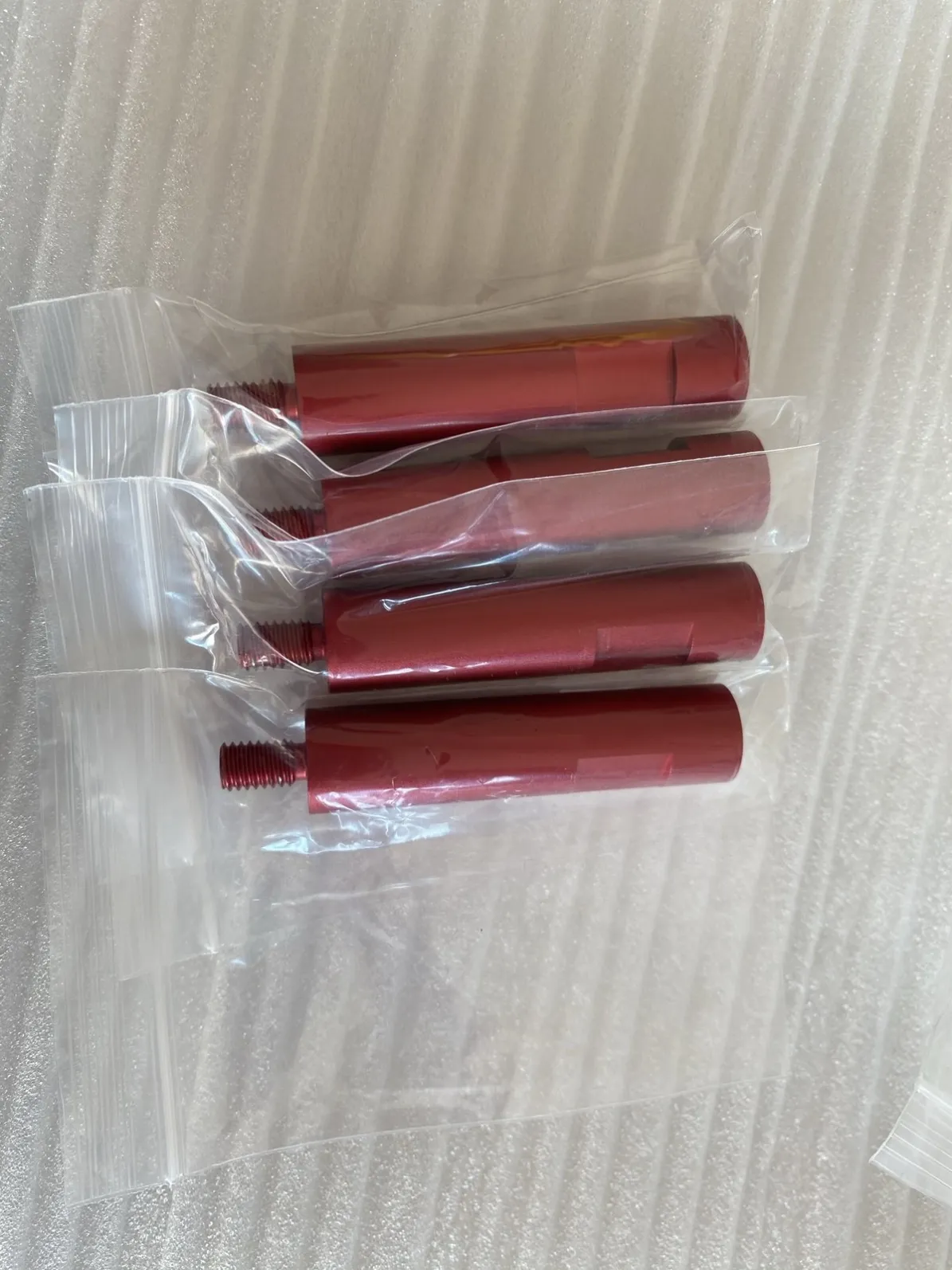
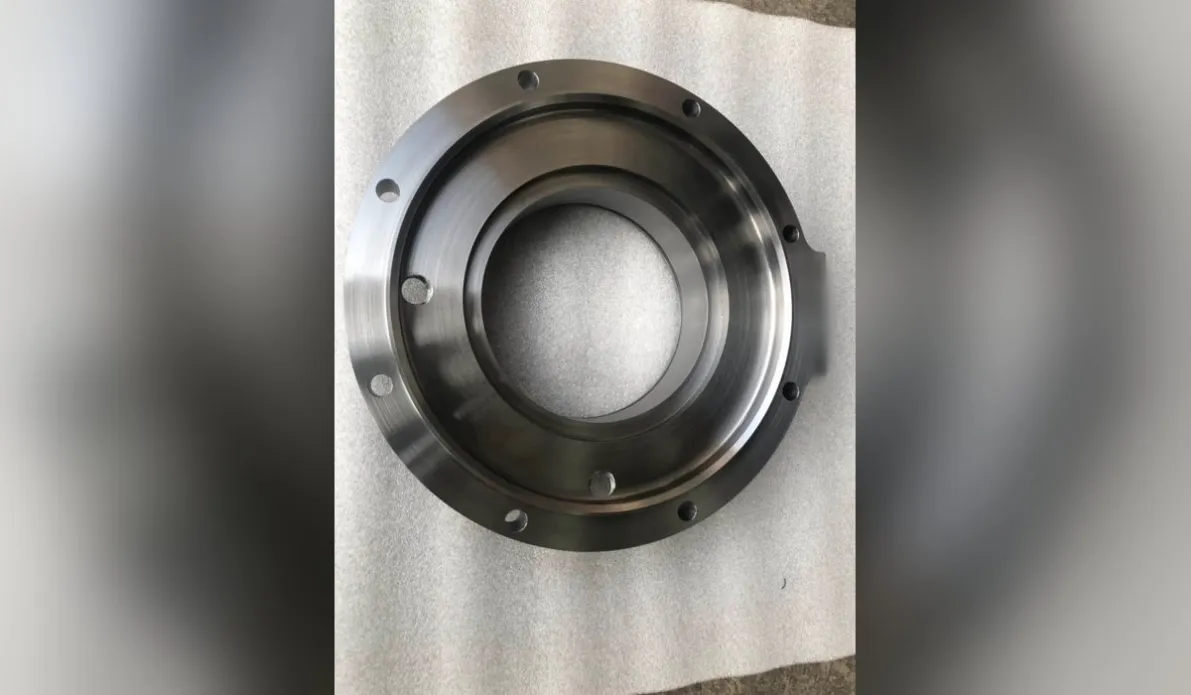
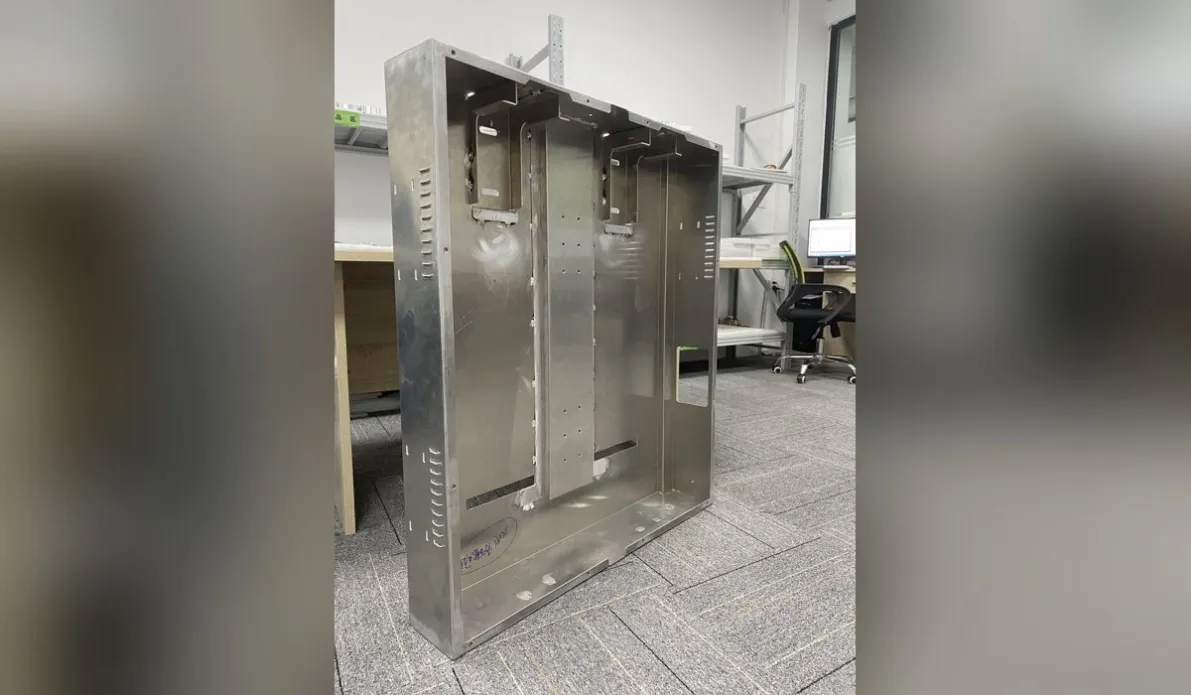
Masking for Anodizing, Plating, Powder Coat
Masking for anodizing, plating and powder coating: which faces to keep bare, how masking is done, and how to call it out on the drawing so it happens.
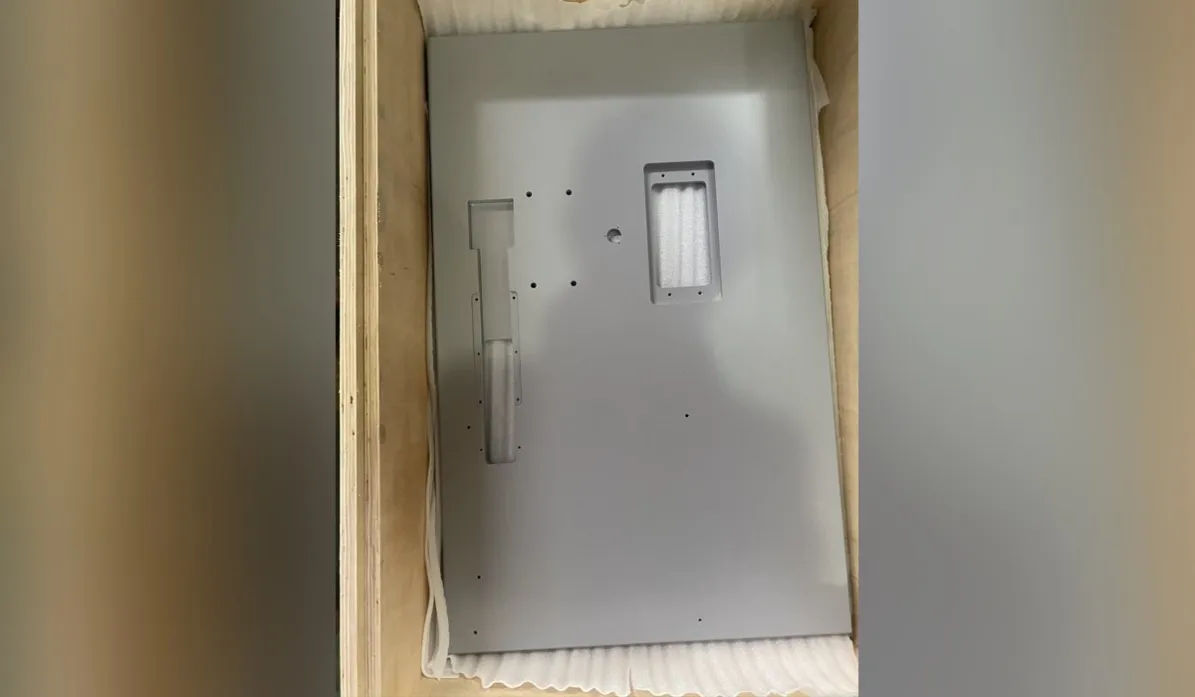
Yes — masking is available on request for anodizing, plating and powder coating: grounding and electrical contact faces, sealing faces, threaded holes and precision bores can all be kept bare while the rest of the part is coated. We also machine with the coating build-up in mind, so precision bores and threads finish in tolerance after coating even where they are not masked. This article covers which faces are worth masking and — the part that decides whether it actually happens — how to call it out on the drawing. Send the drawing and we will quote it — inquiries are answered within 8 hours and quotes usually come back within 24 hours.
When a face should stay bare
Coatings are insulators, seals or decoration depending on the process — and each of those properties is wrong somewhere on most parts.
- Grounding and electrical contact faces. Anodize and powder coat are electrical insulators. A face that has to ground a housing, carry a contact or pass an EMI gasket must stay bare metal (or get chem film instead — see below).
- Sealing faces. A gasket or O-ring sealing against a thick, uneven powder coat will leak or take a set unevenly. Sealing faces are commonly masked, or machined after coating.
- Threaded holes and mating threads. Coating builds up inside a thread and changes the fit — powder coat especially. Threads that must stay to gauge are plugged or masked.
- Precision bores and press fits. Where a bearing or pin presses into a bore, the coating thickness is part of the dimension. Either the bore is masked, or it is machined oversize by the coating allowance so it lands on size after coating — we do the second by default, the first when you ask.
- Sliding and wear faces. Hard anodize is itself a wear surface; a powder-coated sliding face is not. Sliding faces are usually masked.

How masking is done
The methods are unglamorous and effective, and they are chosen by the shape of the area and the process:
- Masking tape and film — for flat faces and simple outlines: grounding pads, mounting faces, panel areas.
- Plugs and caps — silicone or rubber plugs for threaded holes, bores and counterbores; they keep coating out of holes through plating and powder coating alike.
- Stop-off lacquer (resist) — painted onto irregular areas before plating, so metal deposits everywhere except the painted face. This is how selective plating is done — plating only the contact area of a terminal, for example, while the rest stays bare.
- Fixtures and shields — where the same masked area repeats across a batch, a fixture masks it consistently from part to part.
Masking is manual work and priced as such: a couple of faces is a small addition, an intricate pattern across a complex part is a real operation. Mask only the faces that functionally need it.

How to call it out on the drawing
Masking fails in one predictable way: it was agreed in conversation and never written down. The drawing is what travels with the part, so put it there.
- Hatch or outline the masked areas on the drawing view and label them: "MASK — NO ANODIZE" or "KEEP BARE FOR GROUNDING".
- State the boundary tolerance if it matters. A mask line is placed by hand; if the boundary must sit within a millimeter of an edge, say so. If it is approximate, saying "approx." saves everyone time.
- Name the requirement, not just the method. "Face must remain electrically conductive" lets us choose tape, chem film after masking, or another route; "apply tape here" does not tell us why, and the why is what protects you if the design changes.
- For threads and bores, choose one instruction: "mask" (stays at machined size, bare) or "allow for coating" (we machine with the build-up in mind and it finishes to size, coated). Both are legitimate; mixing them up is how threads end up tight.
If a face is not marked, it gets coated — that is the default the whole shop works to, and it is why the callout matters.
The alternative worth knowing: chem film on the masked area
On aluminum parts, a masked face does not have to stay completely bare. After anodizing, the masked areas can be given a chem film (chemical conversion coating): it keeps the face conductive and adds corrosion protection, without the insulating anodize layer. It is the standard treatment for grounding faces on anodized enclosures — specify it as "anodize, mask grounding faces, chem film masked areas". Our guide to Type II vs Type III hard anodizing covers build-up planning under hard anodize.
What goes wrong when masking is skipped
A powder-coated thread that will not start. A housing that fails an earth-continuity test because the grounding face is insulated by anodize. A bearing that cracks the coating pressing into a coated bore — or does not press in at all. Each is a rework or a scrap part discovered at assembly, tracing back to a face that needed masking and was never called out. Powder coating builds the thickest film of the three, so it causes the most trouble; our powder coating article gives the film thickness to allow for.
What to send for a quote
The drawing with masked areas marked (even roughly — we will confirm boundaries with you), the finish specification, and the quantity. If a face must stay conductive or bare but you are unsure how to specify it, describe the function in your inquiry and we will propose the callout. Send your drawing for a quote via our contact page.
FAQ
Can you mask only part of a face? Yes. Mask boundaries can follow an outline, a pad area or a stripe across a face. Mark the boundary on the drawing and say how closely it must be followed — hand-placed masking is accurate, but it is not a machined edge.
Will a masked thread still fit its bolt? Yes — that is the point of masking it. A masked thread stays at its machined size and gauge. An unmasked thread is machined with the coating allowance in mind so it also finishes to fit, but it will be coated; choose masked for threads that must stay bare.
Can a grounding face be protected without anodize? Yes — chem film. It keeps aluminum conductive and adds corrosion protection, and it is the standard finish for masked grounding faces on anodized parts.
Does masking add much to the price? Simple masking — a face or two, some threaded holes — is a modest addition. Complex patterns across many small areas take real labor and are priced accordingly. Masking only the faces that functionally need it keeps the cost sensible.
What happens if I forget to specify masking? Unmarked faces are coated, by default. If you realize before the parts go to finishing, tell us — masking can still be added. After coating, the options are stripping and rework, which is why the drawing callout is worth the minute it takes.