Grouping Small-Batch Parts to Cut Cost
Ten small parts ordered separately cost far more than the same ten grouped. How shared setups, nesting and finishing batches cut small-batch cost.
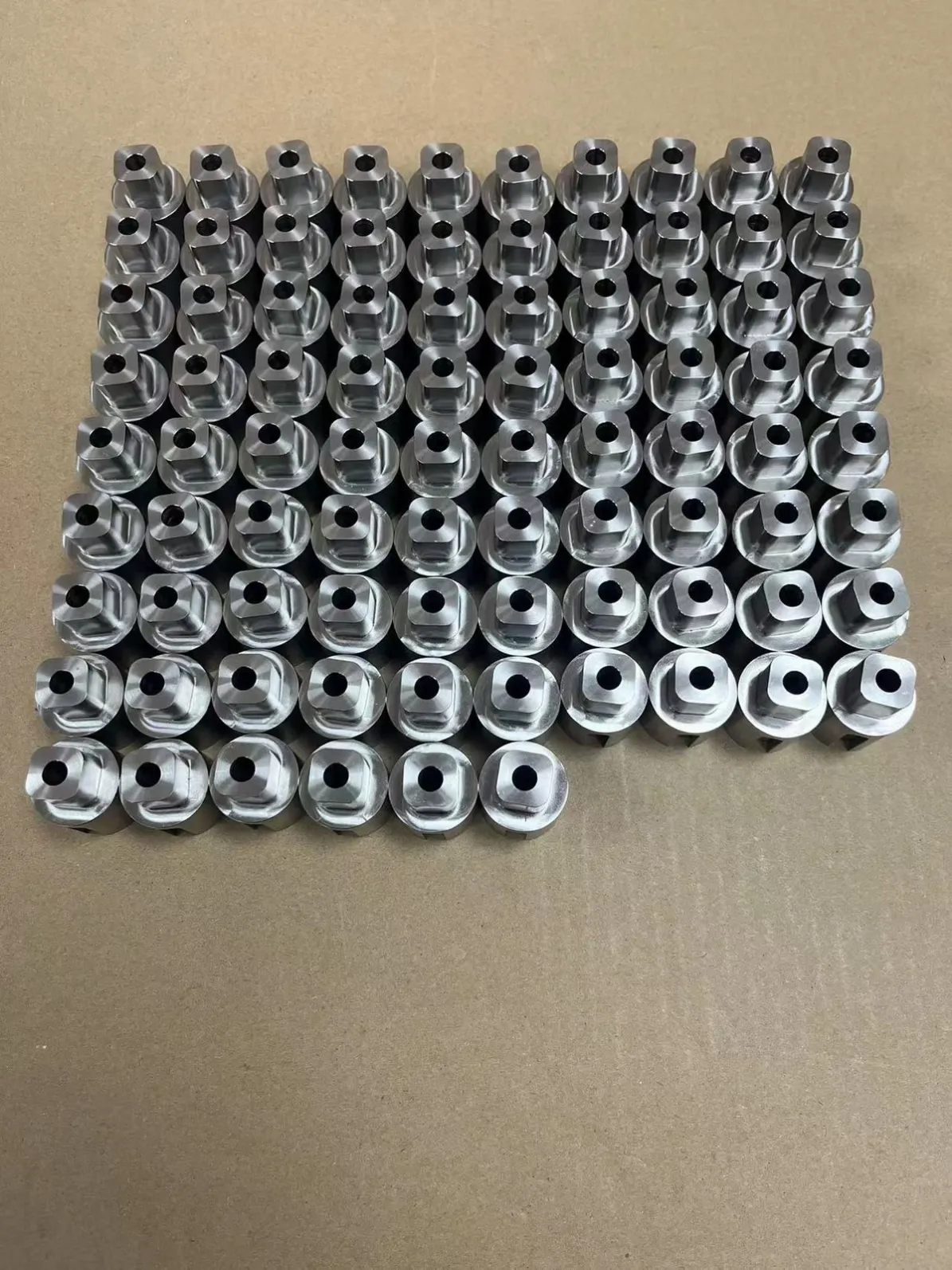
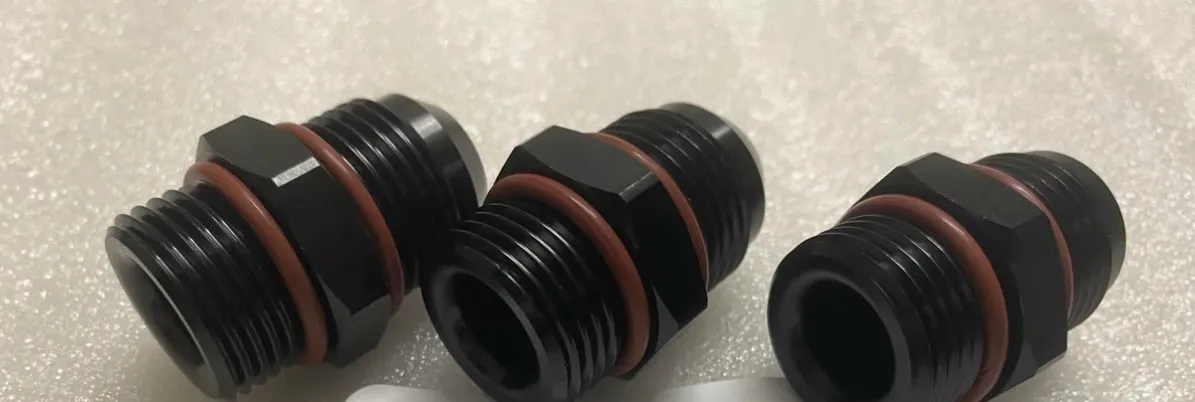
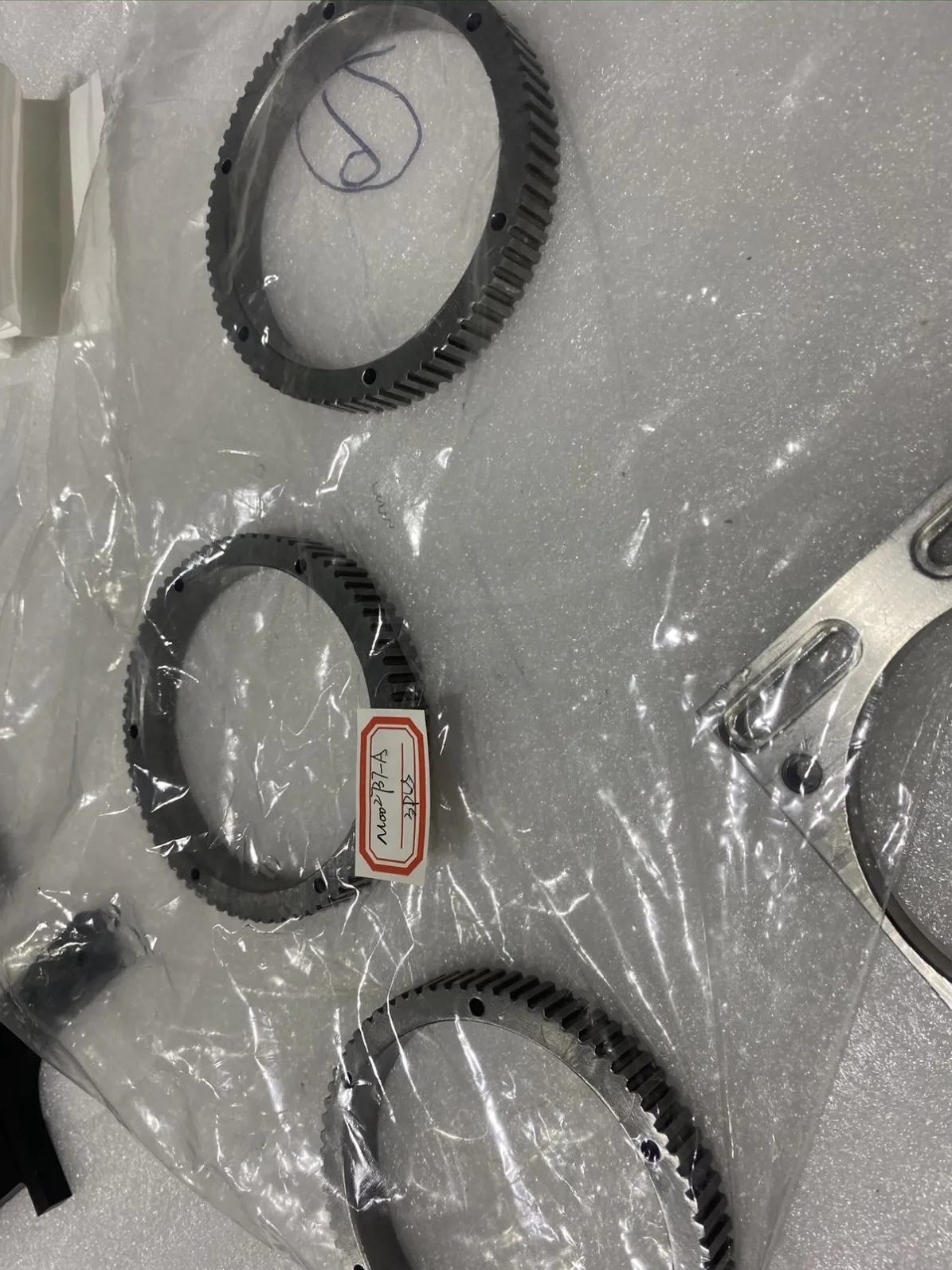
Small batches carry a fixed cost that has nothing to do with how small the parts are: every part number brings its own setup, its own programming check, its own finishing run and its own paperwork. Order ten different parts one at a time and you pay that fixed cost ten times. Order them together, designed to share, and much of it is paid once. This article explains where the sharing happens — setups, sheet nesting, finishing batches — and what you can do on your side to make grouping work. Send us the whole set of drawings for a product rather than one part at a time, and we will quote it grouped and show you the difference.
Where the fixed costs sit
- Setup. A machine is stopped, fixtured, loaded with the right tools and proven out for each part number. On a 10-piece batch, setup can rival the cutting time.
- Programming and proving. Each part is programmed, simulated and first-article checked individually — skilled time that does not shrink with batch size.
- Finishing minimums. Anodizing, plating and powder coating lines have minimum practical batch economics. One small part and twenty small parts can cost nearly the same at the finisher.
- Handling. Inspection, packing and shipping multiply by part number and by shipment.
Grouping attacks all four — not by making any part cheaper to cut, but by paying each fixed cost fewer times.
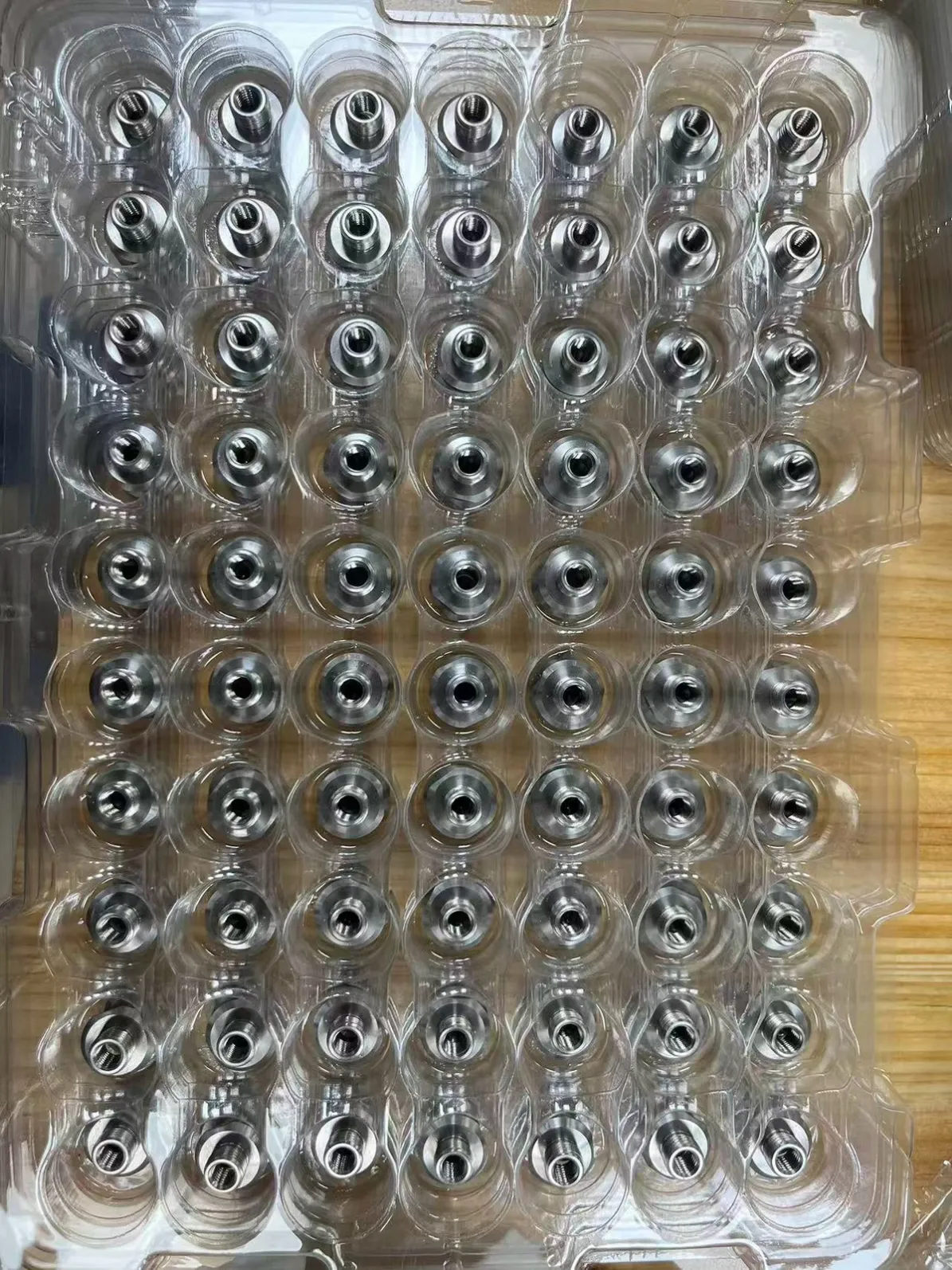
CNC: same material, shared setups
Parts in the same alloy and similar stock size can run in one machine session: one material purchase, tools loaded once, fixtures and workholding planned as a family. The strongest version of this is a kit — all the machined parts of one assembly, made together, inspected together and shipped together. When we see the whole product instead of one drawing, we can also spot the quiet wins: two parts that could share a stock size, a part whose second operation matches another part's setup, tolerances that only need holding on the parts that actually mate.
What helps from your side:
- Same alloy and temper across the set where the design allows (one material buy, one session).
- Stock sizes that nest together — a 6 mm plate part and a 10 mm plate part cannot share a plate, but two 6 mm parts can.
- Sending the full set at once, even if some parts are still at an earlier revision — we can tell you which ones are worth waiting for.
Sheet metal: nesting is the saving
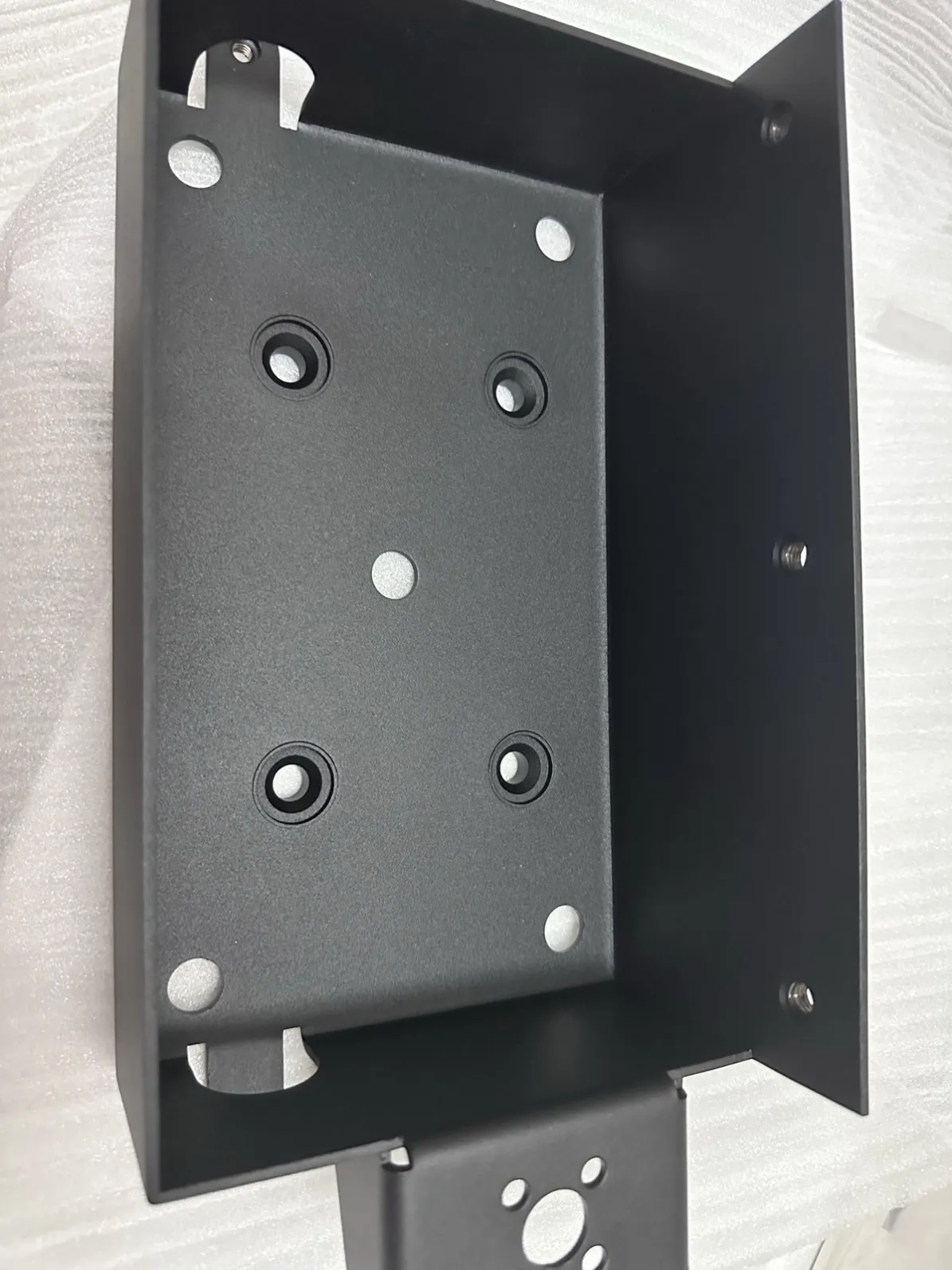
Sheet metal parts are cut from shared sheets, and the economics are geometric: parts nested together on one sheet of one material and thickness share the sheet cost, the cutting setup and the machine time. A single small bracket cut alone wastes most of a sheet's handling; the same bracket nested among a product's other panels costs its true area plus a share of the run. Same material, same thickness, same order — that is the grouping rule for sheet metal, and it is why a product's panels quoted as a set beat the sum of the same panels quoted separately.
Finishing: one run, one color
Finishing batches group by process and color. Ten parts in black anodize ride one tank run; ten parts in ten colors ride ten. Powder coating is the same story — one color changeover serves the whole set. If your product's parts share a finish, say so and order them together; if a product has one part in a special color, consider whether it can join the family color, because that one part carries a whole finishing run on its own. Masking, racking and inspection all consolidate the same way.
What grouping cannot fix
Grouping shares fixed costs; it does not change a part's own machining time, material or tolerance difficulty. A genuinely complex part stays complex in company. It also works best when the parts are truly needed together — grouping parts you do not yet need into an order just converts a cost saving into inventory. And revisions still bite: if one part in a grouped set changes, the group re-quotes around it, which is manageable at quote stage and annoying after cutting has started.
FAQ
How much can grouping save? It depends on the set — the smaller and simpler the parts, the larger the fixed-cost share and the bigger the effect. On sets of small parts, the grouped quote is commonly well below the sum of separate quotes; send the set and we will show you both numbers.
Do the parts have to be the same material? For the full benefit, yes — material is what sessions, sheets and finishing runs are organized around. Mixed sets still gain on handling, inspection and shipping.
Can we group parts from different products? Yes, if they share material and finish and you need them at the same time. Grouping is about process compatibility, not product boundaries.
Does grouping slow the order down? The set moves at the pace of its slowest part, which is the trade for the saving. If one part is urgent, split it out — we will quote it separately and group the rest.
What should we send to get a grouped quote? All the drawings (or models) for the set, quantities per part, and the finish for each. One email with the set is enough — quotes come back itemized per part with the grouped total.