Low-Volume CNC Machining: 1 to 500 Parts
Low-volume CNC machining from 1 to 500 parts: what drives the price at small quantities, how lead times work, and when it is time to switch to tooling.
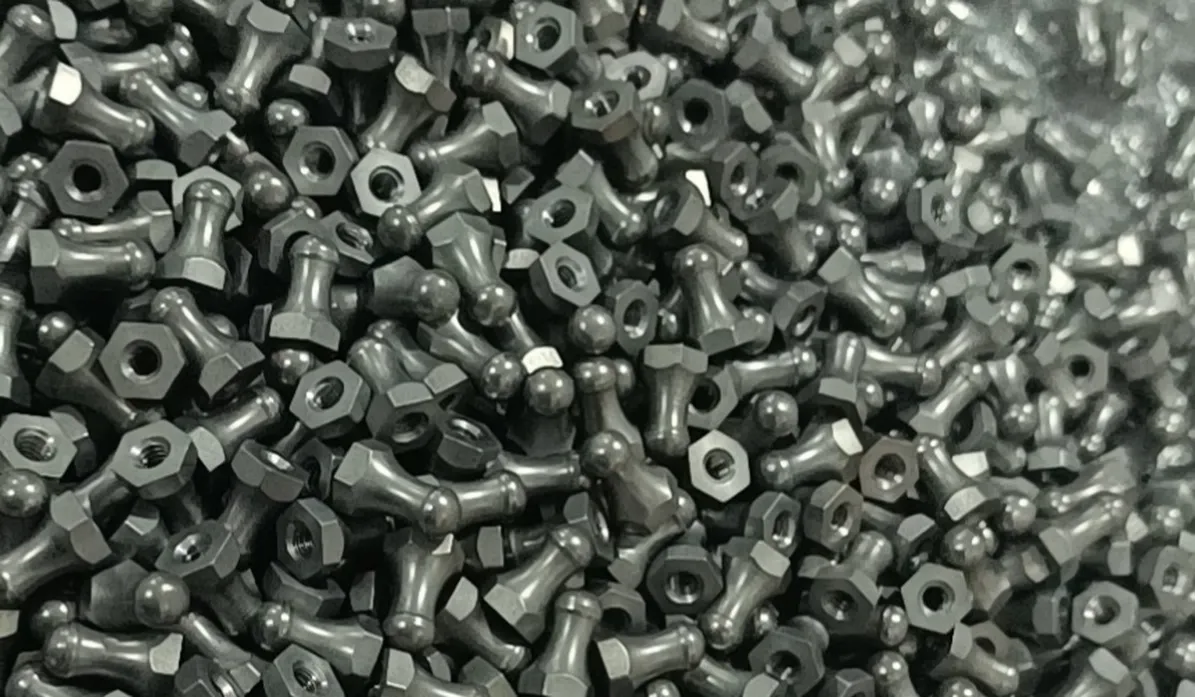
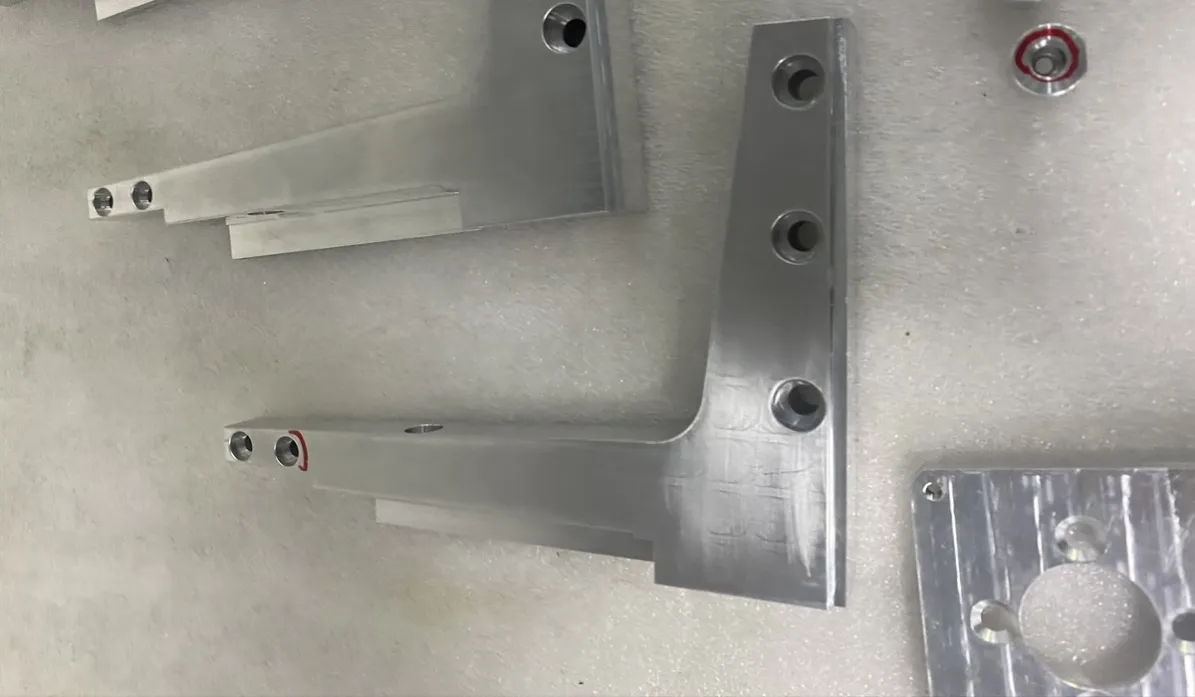
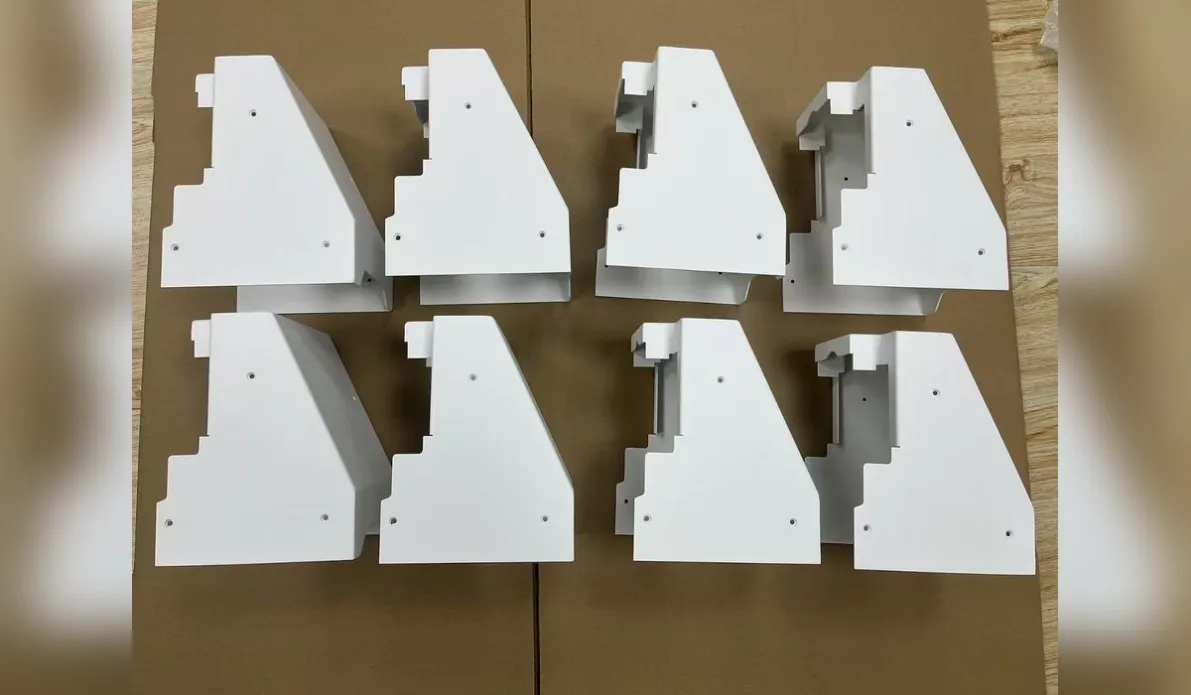
Yes — low-volume CNC machining is the core of what we do: one prototype, a pilot run of fifty, a bridge batch of five hundred while tooling is being made. The parts are machined from solid stock to your drawing, in metal or plastic, with standard tolerances of ±0.1 mm (±0.004") and ±0.01 mm (±0.0004") available where the drawing genuinely needs it. Send the drawing and the quantity and we will quote it — most low-volume work here ships in 3–5 days.
What "low volume" actually covers
The range from 1 to 500 parts is really three different jobs wearing one name:
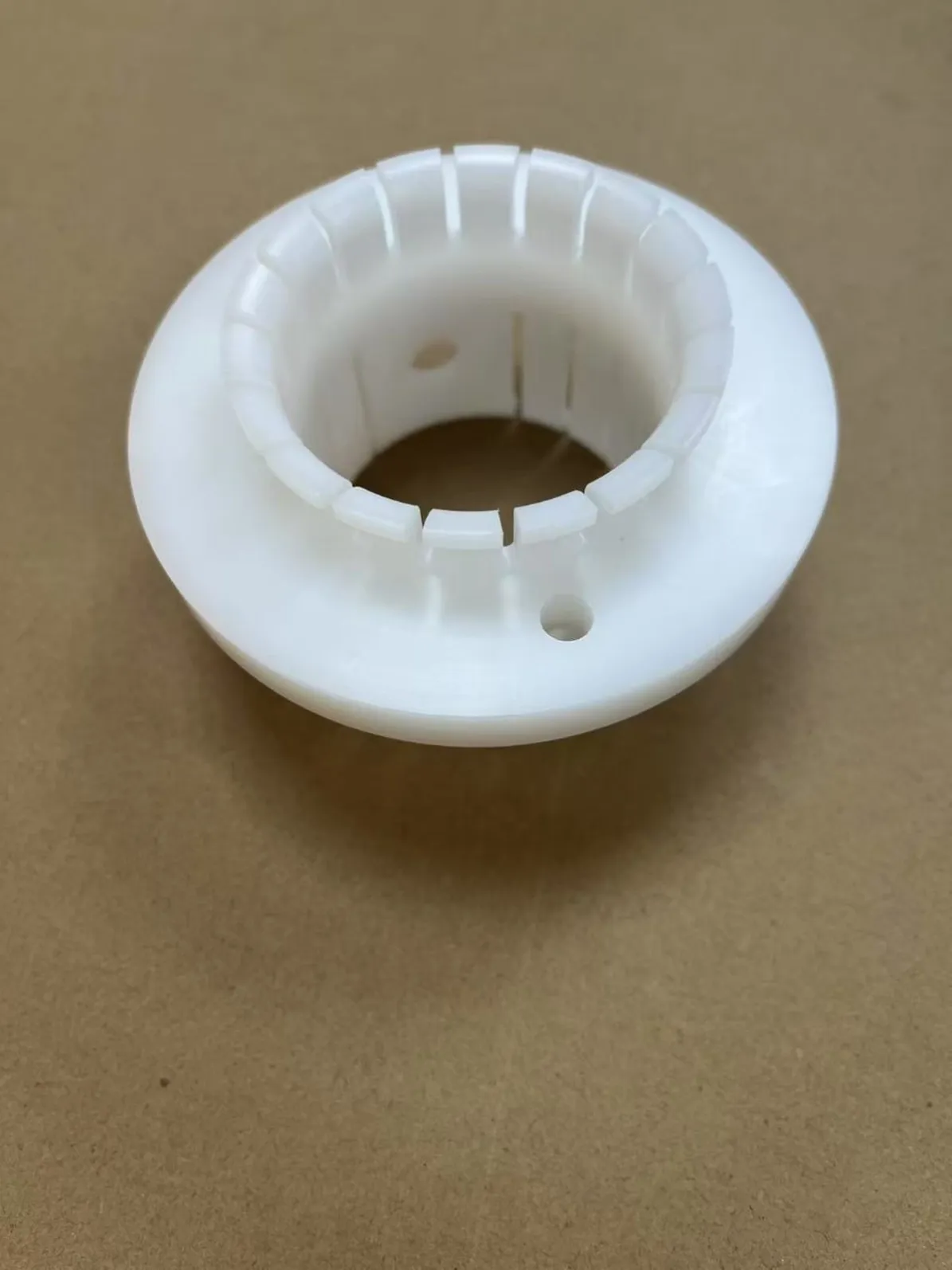
- 1–10 parts: prototypes and first articles. The design is still moving. Speed and feedback matter more than unit price — this is where a manufacturability problem found today saves a tooling mistake next month.
- 10–100 parts: pilot and pre-production runs. Beta units, certification builds, market testing, the first units that ship to real customers while the design settles.
- 100–500 parts: bridge and small production. Either the product genuinely sells in hundreds, or this batch covers the gap while a mold or die is being built — or the economics below say it should stay on the CNC.
What drives the price at small quantities
Buyers are often surprised that 10 parts do not cost a tenth of 100. The price of a machined part has parts that do not care about quantity, and at low volume those dominate:
- Programming and setup. The machine has to be programmed, fixtured and proven whether it then makes 5 parts or 500. Spread over 5 parts, that is the price; spread over 500, it nearly disappears. This single line explains most of the per-part curve.
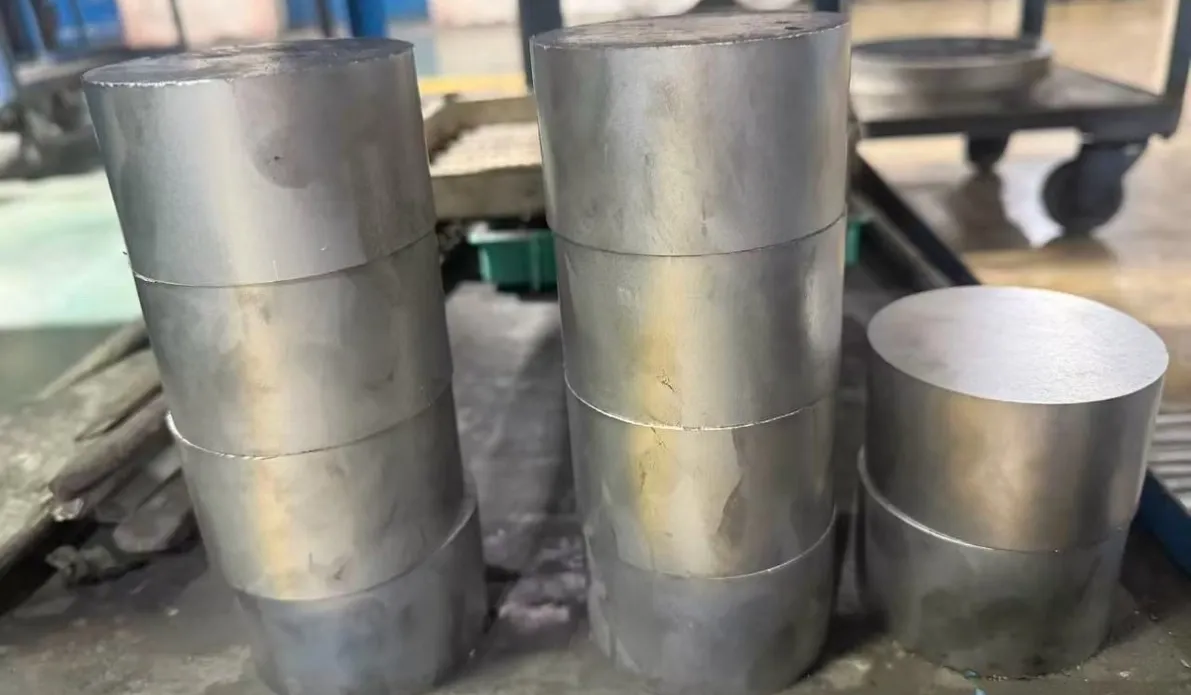
- Material. Bought by the bar or plate, cut to your part — at prototype quantity you are paying for stock sizes, not just the metal in the part.
- Machine time per part. The one cost that does scale with quantity, and the one your design controls most: pockets, thin walls and tight tolerances are minutes, and minutes are money.
- Finishing and inspection. Anodizing, plating, bead blasting and documented inspection are largely per-batch or per-part handling costs — they do not shrink just because the batch did.
The practical consequence: if a prototype quote looks high, ask which line is heavy before assuming the shop is expensive. Often one feature — a deep pocket, an all-over tight tolerance — is carrying the price, and relaxing it where it does not matter is a five-minute drawing change. Our guide to getting a fast, accurate CNC quote covers what to send so this conversation happens at quote stage, not after.
Lead times, honestly
Routine small batches typically run 3–5 days; simple parts can ship in 24–48 hours depending on complexity. Two things stretch low-volume lead times that have nothing to do with machining: finishing queues (anodizing and plating run in batches) and material that has to be ordered in. Both are visible at quote stage, and the delivery date we quote includes them — a date that assumes everything goes right is not a lead time, it is a hope.
When to stay on CNC, and when to switch to tooling
CNC machining has no tooling to amortize and no design freeze — which is why it wins at low volume, and why it eventually loses. The switch makes sense when three things line up: the design has stopped changing, the quantity per run keeps growing, and the per-part saving from molding or stamping repays the tooling within a sensible number of runs. Switch earlier and you pay to modify a mold every time the design moves; switch later and you pay prototype prices for production parts. The middle path — CNC or vacuum casting for the bridge volume while tooling is built — is exactly the route described in our prototype to production piece, and for plastic parts our low-volume injection molding article works through the crossover in numbers of parts rather than opinions.
One more consideration that rarely makes the spreadsheet: at 1–500 parts, the supplier's inspection and communication are a bigger share of your real cost than the machining. A batch that arrives wrong costs a redesign cycle; a batch that arrives measured, documented and right is the cheap one, whatever the invoice said.
Inspection and packing
Low-volume parts are inspected against the drawing — critical dimensions recorded, first article report available on request, with material certificate and certificate of conformance if your system needs them. On repeat and larger runs, samples go to you for confirmation before the batch ships. Parts are packed separated and protected, finished faces kept off each other, so a batch of fifty arrives as fifty good parts, not forty-nine and a story.
What to send for a quote
The drawing or 3D model, the material, the quantity — and, if there is a range in your future, the quantities you expect after this batch. That last line lets us quote the job you are actually on: sometimes a small design or batching change at 50 parts halves the price at 500, and quote stage is when that is free to hear. Send your drawing / sample for a quote via our contact page — enquiries are answered within 8 hours and quotes usually come back within 24 hours.
FAQ
Why is one prototype so expensive per part? Because programming, setup and fixturing are the same work for 1 part as for 500 — at quantity 1, all of it lands on one part. The machining itself is often the smallest line on a prototype quote.
What quantity counts as low volume for CNC? Roughly 1 to 500 parts. Below a few hundred, CNC usually beats tooling on total cost and always beats it on flexibility; above that, it depends on the part — which is what the crossover conversation at quote stage is for.
How fast can low-volume parts ship? Routine small batches typically run 3–5 days, and simple parts can ship in 24–48 hours depending on complexity. Finishing and special material are the usual stretchers, and both are in the quoted date.
Can the same supplier take the part into production later? Yes — that is the point of the one-stop route: prototype on CNC, bridge with CNC or vacuum casting, then injection molding or stamping when the design freezes and the volume justifies tooling, without re-qualifying a new supplier at each step.
What tolerances should I put on a low-volume part? Standard ±0.1 mm (±0.004") everywhere, ±0.01 mm (±0.0004") only on the features that truly locate or seal. All-over tight tolerances are the commonest self-inflicted cost on small batches — every tight dimension is inspection time, and at low volume there is nowhere to hide it.
Do you charge for the manufacturability feedback? No. Every drawing gets a manufacturability check with the quote — what will be slow, fragile or expensive to make, flagged before anything is cut. The design decisions stay yours; the warnings are free.