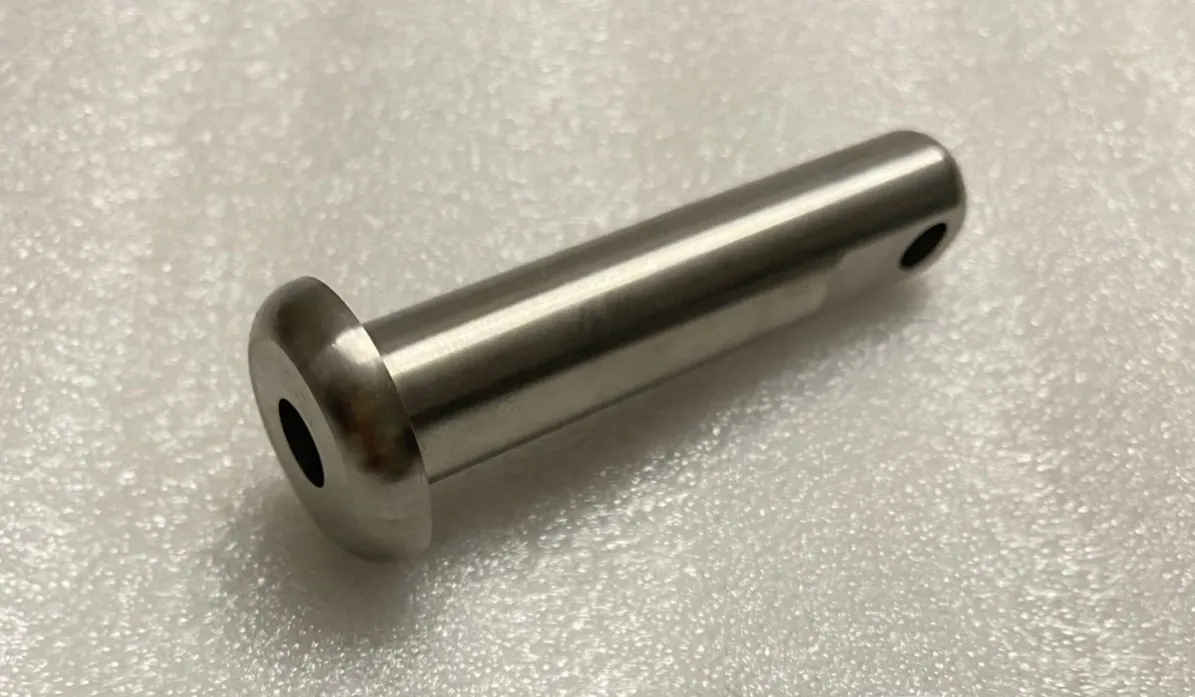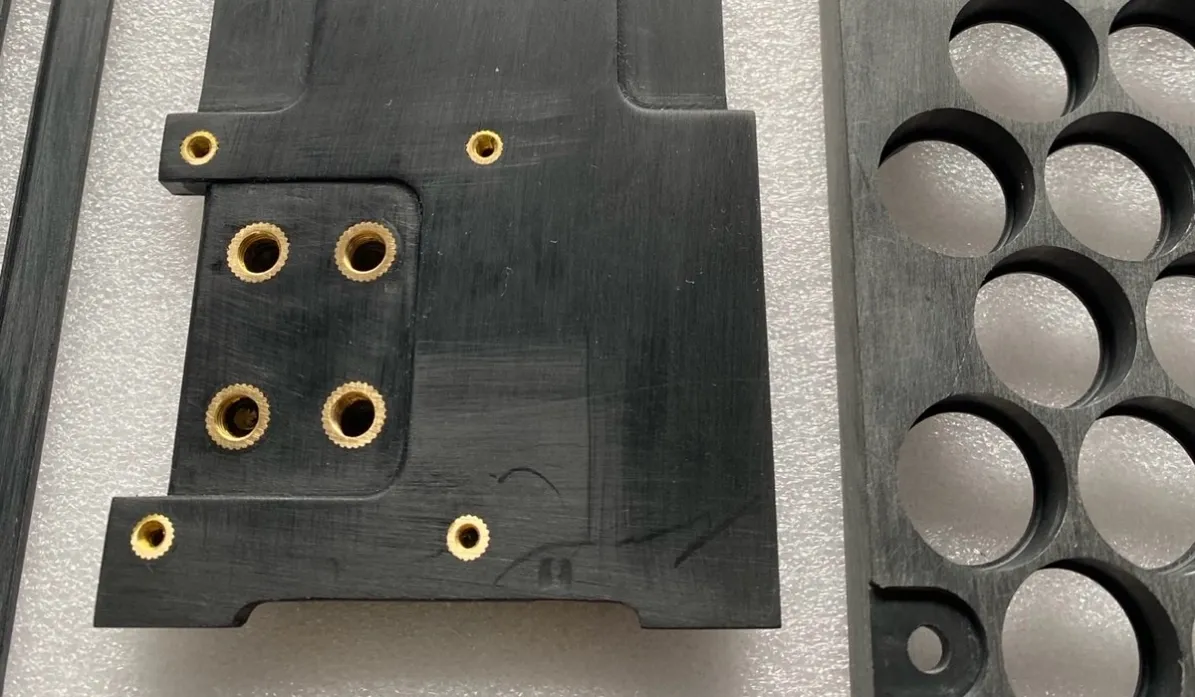
C36000 (CZ121) Brass Turned Parts
Why free-machining brass (C36000 / CZ121 / CW614N) lowers the cost of turned fittings and connectors: cycle time, tool life and finish off the machine.
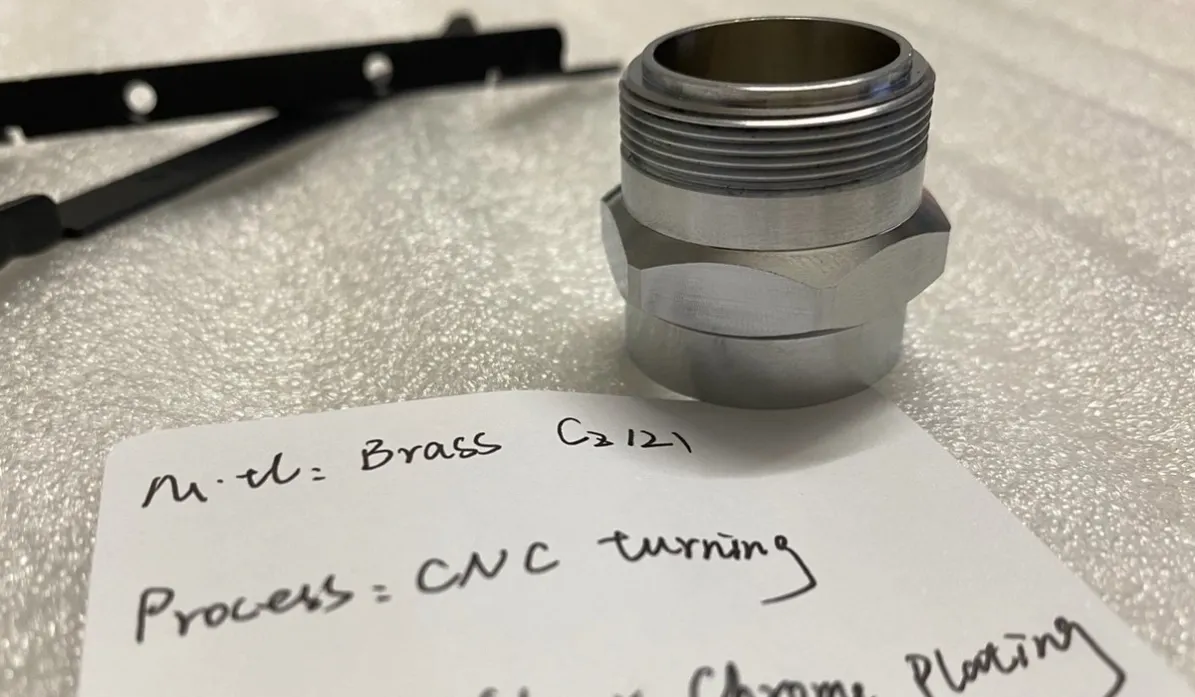
Brass bar costs more than steel bar. Turned brass parts, very often, cost less than the same parts in steel — and the reason is sitting in the grade's name: free-machining. C36000 in US drawings — CZ121 in British ones, CW614N in European ones; the three are the closely equivalent free-cutting brasses of the US, British and European standards — is the alloy the machinability scale itself is calibrated against. We turn fittings, connectors and flanged parts in it constantly; our CZ121 grade guide covers the alloy itself. This page covers what it does to the price of a turned part.
Machinability is cycle time, and cycle time is money
A turned part's price is mostly machine minutes. Free-machining brass gives those minutes back three ways. It cuts fast — the lead content makes the chip break short instead of stringing, so the machine runs at full pace without stopping to clear nests of swarf. It is kind to tools — inserts and drills last, so tool cost per part drops and dimensions stay consistent deeper into a batch. And it finishes well off the tool — a turned C36000 (CZ121 / CW614N) surface comes off the machine bright and clean, often needing no secondary finishing at all, where a steel part would still be queuing for the next operation. Add the three together and the bar premium is repaid before the batch is half run.
The parts it suits
The classic free-machining brass work is small-to-medium turned parts with detail: plumbing and pneumatic fittings, threaded connectors, valve components, flanges with bolt patterns, knurled knobs and adjusters — the knurling on brass is crisp because the material shears instead of tearing, as the parts in our turned parts piece show. Threads are a particular strength: internal and external threads cut cleanly in both directions of the Atlantic's standards — imperial UNC/UNF callouts and metric threads are equally routine, made and gauged as drawn. Where the part also needs milling — flats, hexes, cross-holes — turn-mill setups finish it in one handling.
Finishes: often none, sometimes chrome or nickel
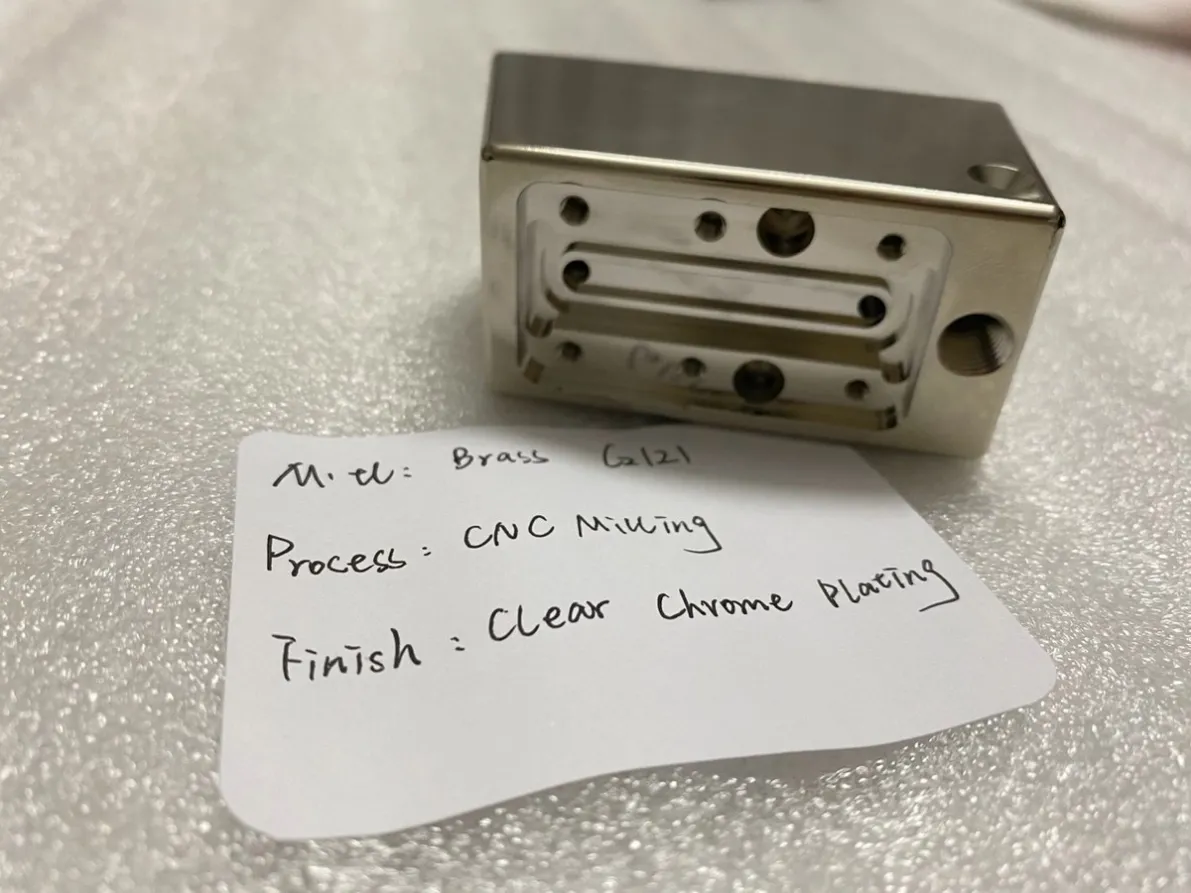
Many brass parts ship bare: the alloy resists corrosion in most indoor and plumbing environments and the machined finish is the appearance. Where the service or the look demands it, chrome plating and nickel plating are both run on this material — several of the fittings in our photo library are CZ121 under clear chrome. Plating is allowed for in the thread and bore sizes where the build matters.
The honest exception: lead
C36000 (CZ121 / CW614N) is a leaded brass — the lead is what makes it machine the way it does. For most industrial fittings and connectors that is the end of the discussion. Where your application restricts lead — drinking-water regulations are the usual case, and RoHS or REACH requirements are another — say so with the enquiry: lead-free and low-lead brass grades exist, they machine differently (slower, harder on tools), and the quote should reflect the grade you actually need rather than the grade that prices best. We would rather have that conversation before the material is ordered.
When brass is the wrong answer
If the part needs real structural strength, sees high temperature, or is large enough that material cost dominates machine time, steel or stainless will win and we will say so at quote stage. Free-machining brass earns its place on small, detailed, threaded parts in quantity — which is a large share of all the turned parts in the world.
Send the drawing through our contact page, with the designation as your standard writes it — C36000, CZ121 or CW614N are all read here. We respond within 8 hours and normally quote within 24 hours.
FAQ
Are C36000, CZ121 and CW614N the same material? They are closely equivalent free-cutting brasses: CZ121 (CW614N) is CuZn39Pb3, and C36000 is the closest US grade. We write all three because our customers' drawings use all three.
Why is brass cheaper to machine than steel if the bar costs more? Because part price is mostly machine time. Free-machining brass cuts faster, breaks its chips short, wears tools slowly and finishes off the machine — the cycle-time saving usually outweighs the material premium on small detailed parts.
Can you thread brass parts to imperial callouts? Yes — UNC/UNF and metric threads, internal and external, made and gauged as drawn. Brass threads cut exceptionally cleanly.
Do brass parts need plating? Often not — bare brass is corrosion-resistant in most service and the machined finish is presentable. Chrome and nickel plating are available where the application or appearance calls for them.
What if my application restricts lead content? Tell us with the enquiry. Lead-free brass grades can be sourced and machined; they run slower than C36000, and the quote will reflect the actual grade.