Zinc Plating for Steel Parts: What It Protects and When to Choose It
Zinc plating for steel parts: how it stops rust, clear and yellow/blue chromate options, and how to choose between zinc, black oxide and nickel.
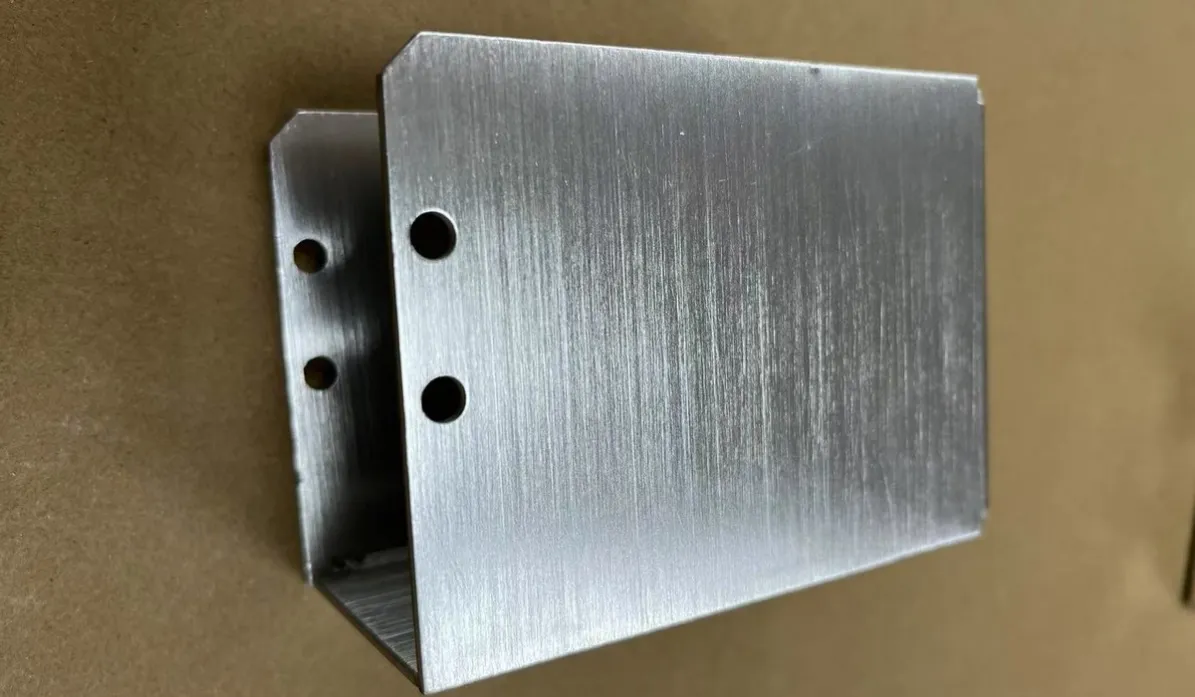
Short answer: zinc plating is the workhorse corrosion protection for steel parts — a thin layer of zinc over the steel that rusts in the steel's place, specified under ASTM B633, at a cost well below most alternatives. We zinc plate steel brackets, fasteners' companion parts, frame hardware and machined components in both clear (white) zinc and coloured chromate finishes — yellow/colour zinc and blue zinc. This page covers what the coating actually does, which parts it suits, and how to choose between zinc, black oxide and nickel plating, because that is the decision most buyers are really making.
How zinc protects steel, in plain terms
Paint protects steel by covering it. Zinc protects steel two ways. It covers it, yes — but when the coating is scratched or a cut edge exposes the steel, the zinc still protects it, because zinc corrodes preferentially: it sacrifices itself, slowly, so the steel underneath does not rust. That is why a zinc-plated bracket can take knocks in service that would start a painted or black-oxided part rusting at the scratch. The chromate conversion layer applied over the zinc — the step that makes the finish clear-bright, blue or yellow/colour — slows the zinc's own corrosion and is what gives the part its final appearance.
Which parts it suits
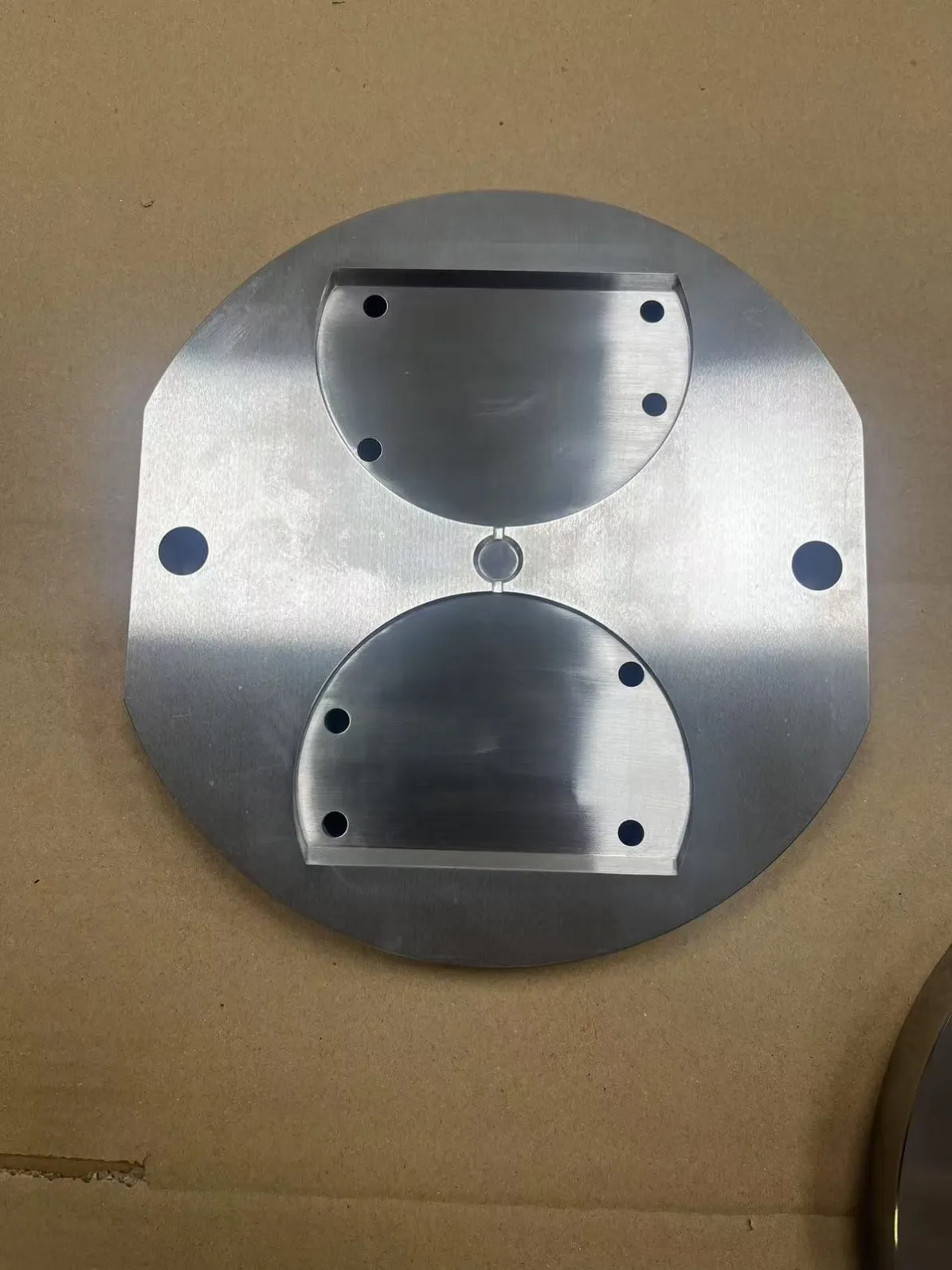
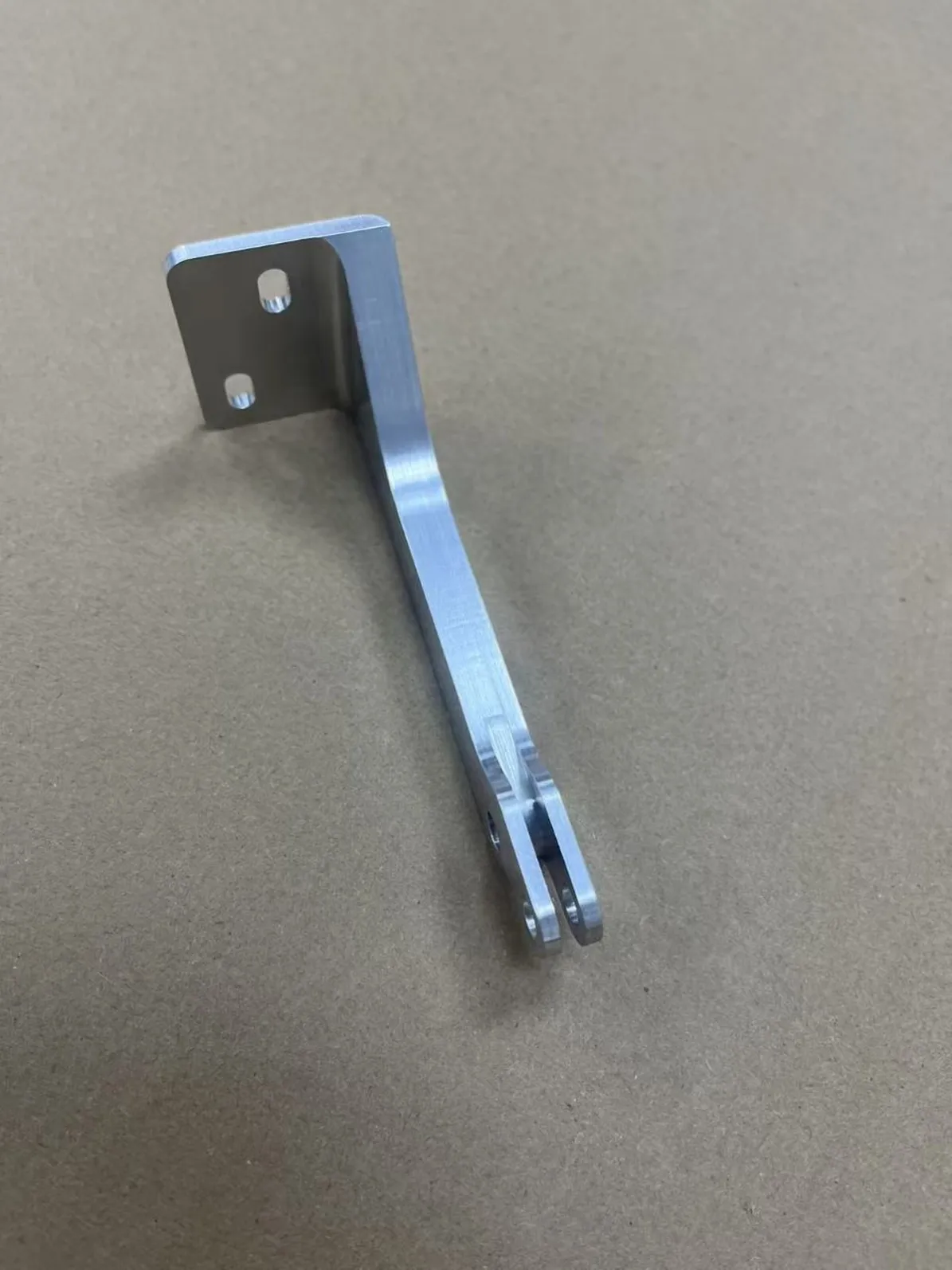
Zinc plating is the sensible default for steel parts that live indoors or in mild outdoor exposure and need honest rust protection without a decorative brief: equipment brackets, mounting hardware, frame and chassis small parts, clamps, covers and general machined steel components. It is the finish behind a large share of the steel parts in our sheet metal finishes overview.
It is less suitable in a few cases. Parts with very tight-tolerance bores or threads need the coating thickness planned and masked where necessary — zinc adds real thickness, like any plating. Parts headed for constant wet or marine exposure need a heavier system than standard zinc. And where the requirement is a deep, uniform black appearance, black oxide or another black finish is usually the honest answer — our comparison of black finishes works through those options.
Zinc, black oxide or nickel: how to choose
| Zinc plating | Black oxide | Nickel plating | |
|---|---|---|---|
| Main job | Corrosion protection | Appearance, mild protection | Protection + wear + appearance |
| How it protects | Sacrificial — protects even when scratched | Conversion layer; needs oil/wax to resist rust | Barrier layer; protects where intact |
| Appearance | Bright clear, blue or yellow/colour | Black, matte to satin | Bright or satin silver |
| Thickness added | Noticeable — plan fits and threads | Almost none | Noticeable — plan fits and threads |
| Typical parts | Brackets, hardware, frame parts | Visible steel parts, tools, shafts | Fittings, busbars, wear and contact parts |
The short version: choose zinc when rust protection per dollar is the goal; black oxide when the part must be black and dimensions must not move, accepting that its corrosion resistance is modest and depends on its oil or wax topcoat; nickel when the part also needs wear resistance, solderability or a brighter, harder-wearing surface — the trade-offs are laid out in our article on nickel plating: electrolytic vs electroless.
A note on high-strength steel
One caution worth a paragraph. Plating involves acid cleaning and electroplating, and high-strength steels can absorb hydrogen during those steps, which can make a hard, highly stressed part brittle — hydrogen embrittlement. For ordinary mild and medium-carbon steel parts this is not a practical concern. For high-strength, hardened parts it is a real one, and the standard answer is a de-embrittlement bake after plating. If your part is high-strength steel, say so at enquiry stage; it changes how the job is planned, and it is exactly the kind of detail that should be settled before plating, not after a failure.
How to specify it on a drawing
Keep it simple and complete: zinc plating per ASTM B633, with the chromate finish you want — clear, blue or yellow/colour — and the coating thickness class your drawing requires. Thickness is worked to your drawing; we do not invent a number for you, because the right class depends on the exposure the part will see. Note any threads, bores or faces to be masked, and flag high-strength material as above. That is the whole specification — a line or two, and it removes every ambiguity that otherwise gets resolved by assumption.
FAQ
What is the difference between white zinc and colour zinc? The zinc layer is the same; the chromate top layer differs. Clear ("white") zinc gives a bright, silvery-blue finish. Yellow/colour chromate gives the familiar gold-toned finish and somewhat longer protection of the zinc itself. Blue zinc sits in the clear family with a blue tint. All are finishes we supply; choose by appearance and the exposure the part will see.
Does zinc plating change my dimensions? Yes — the coating adds thickness on every plated surface, so holes and external threads effectively tighten. Plan the fits, or have critical threads and bores masked; tell us at quote stage and the machining allows for it.
Zinc or black oxide for a steel bracket? If the bracket can rust in service and protection matters, zinc. If it must be black, lives indoors and its dimensions cannot move, black oxide — with the understanding that its rust resistance is modest. Many buyers split the difference by part: zinc on hidden hardware, black oxide on visible parts.
Is zinc plating enough for outdoor parts? For mild outdoor exposure, with a suitable thickness class, generally yes. For constant wet, coastal or chemical exposure, say so at enquiry stage — the part may need a heavier zinc class, a different system, or stainless steel instead.
Can you zinc plate parts you machine for us? Yes — machining and plating are quoted together, with masking and any high-strength precautions planned into the route. Enquiries are answered within 8 hours and quotes usually within 24 hours; send your drawing / sample for a quote via our contact page.