Parts for Test and Measurement Equipment
Machined housings, brackets and mounting parts for test and measurement equipment — aluminum, stainless steel, POM and PEEK, inspected and documented.
Yes — we machine custom parts for test and measurement equipment: housings, brackets, mounting plates and positioning parts in aluminum, stainless steel and engineering plastics, shipped worldwide. This is one of the equipment types we supply most often. The parts are rarely the largest in the machine, but the readings depend on them staying put: a mounting plate that flexes or a housing that does not sit flat shows up later as drift and repeatability problems. Send your drawing or sample for a quote — inquiries are answered within 8 hours and quotes usually within 24 hours.
Typical parts
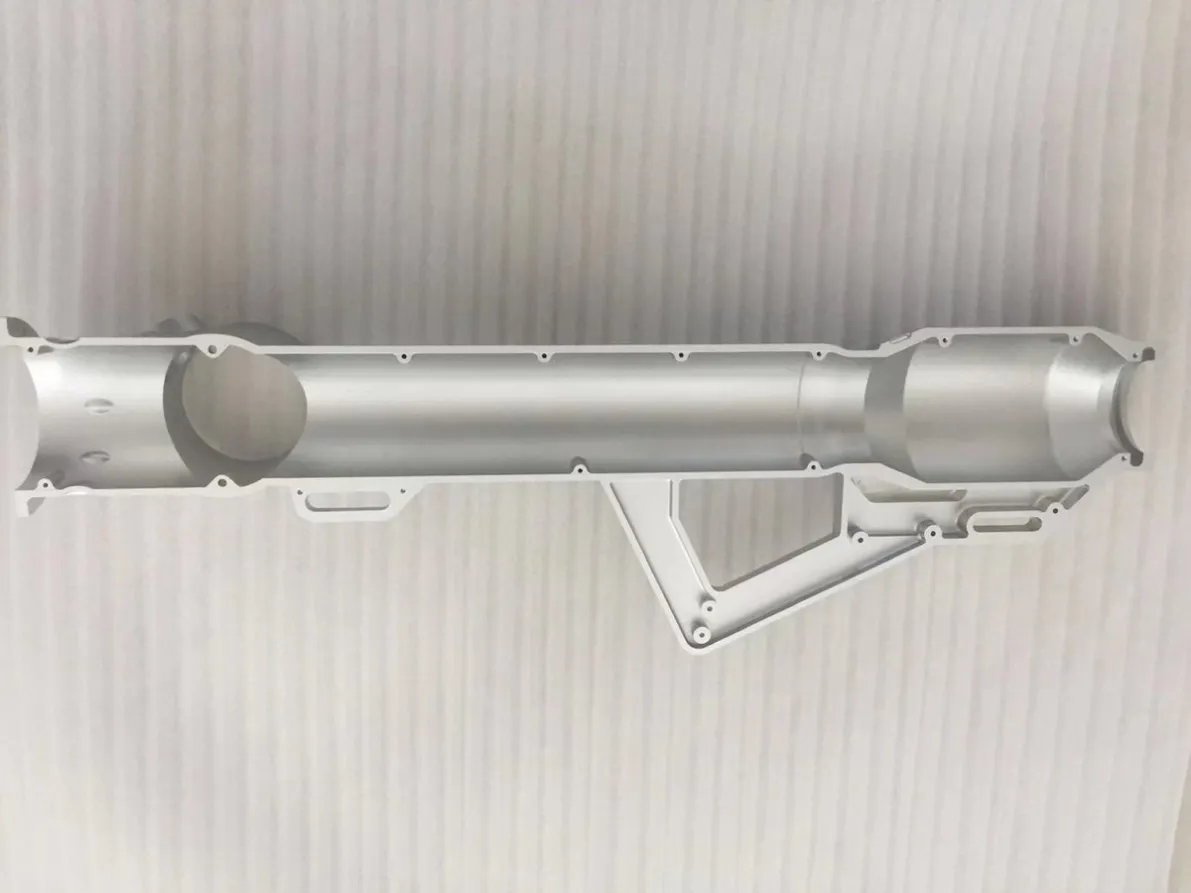
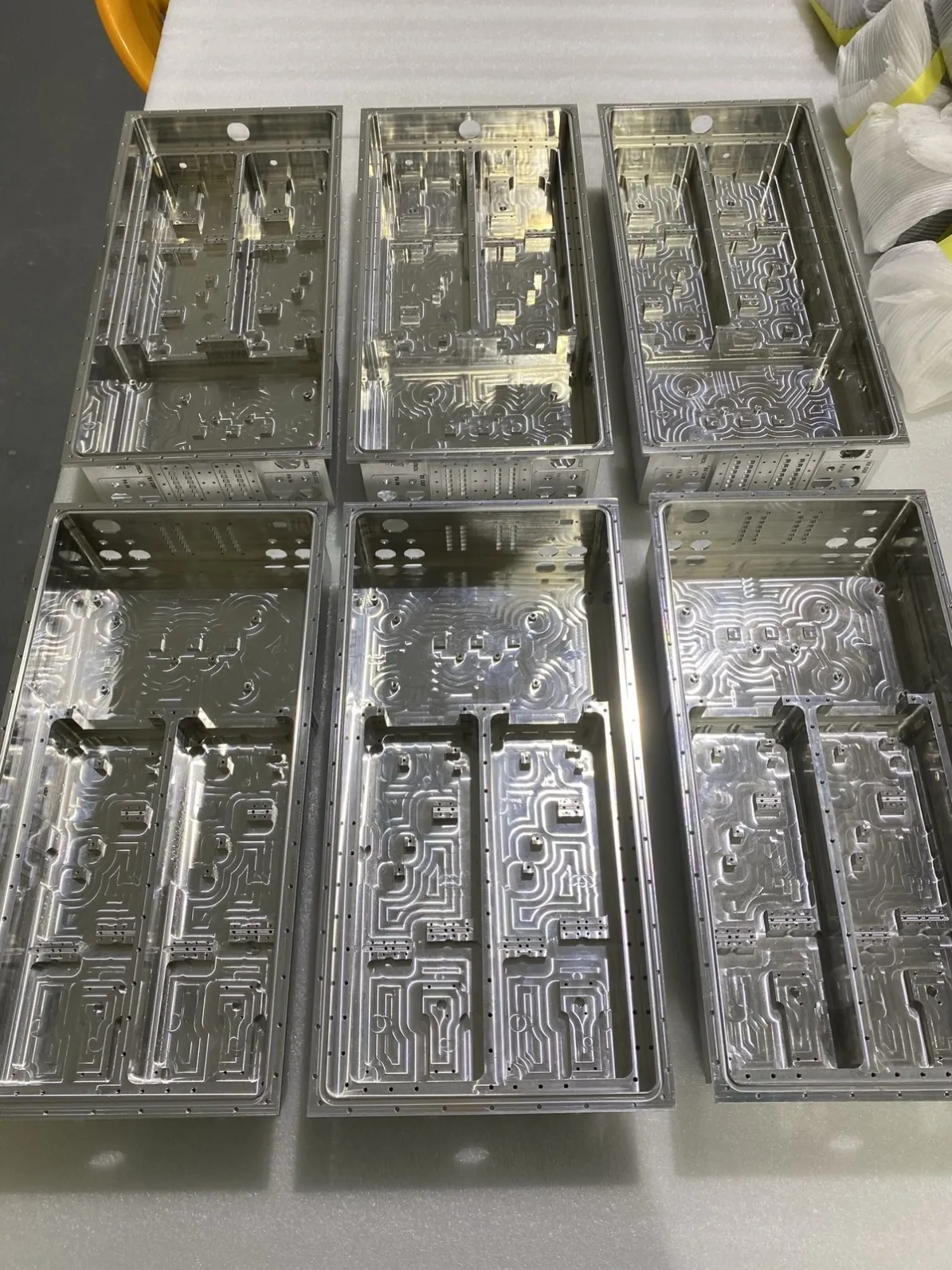
- Housings and enclosures — machined cases and covers that protect the working parts and give connectors, switches and displays a fixed home. Made from solid stock for prototypes and small batches, or in sheet metal when the design suits it.
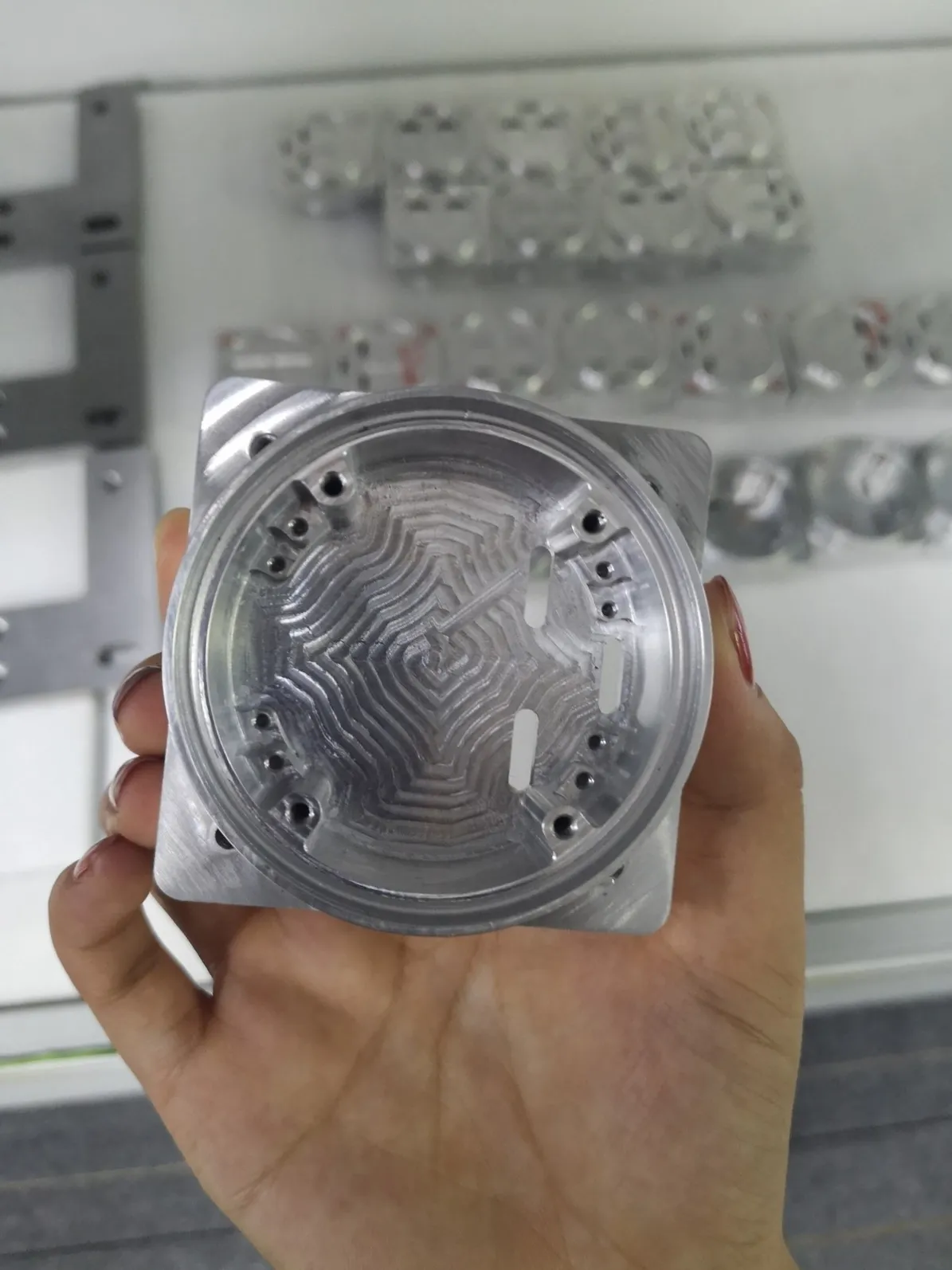
- Mounting plates and base plates — the flat reference parts everything else bolts to. Flatness and hole position matter more here than almost anywhere else in the assembly.
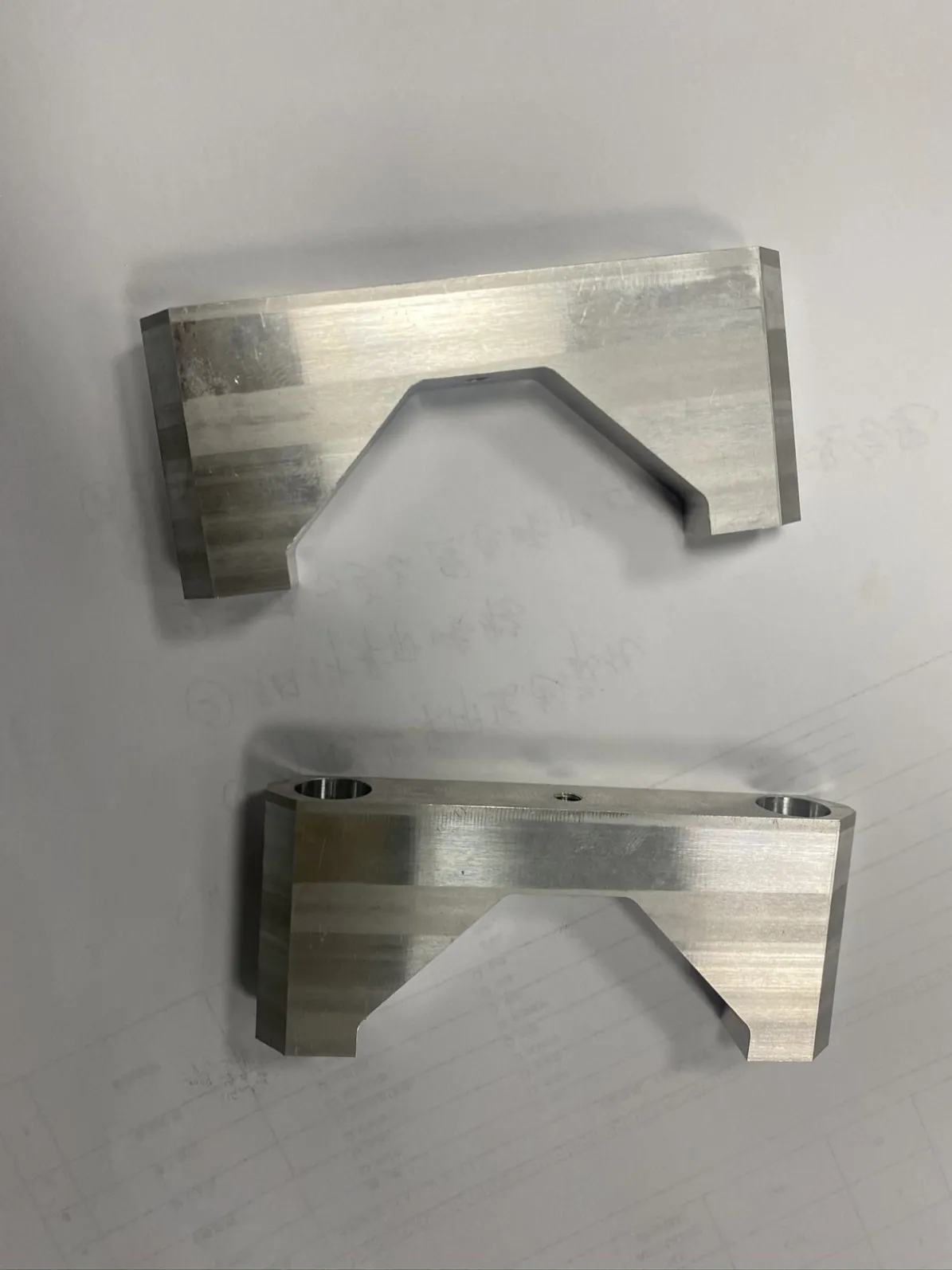
- Brackets and supports — mounting brackets, board standoffs, internal supports and frame parts, usually small, often with several machined faces.
- Positioning and adjustment parts — plates, blocks and mounts that hold components in a set position through repeated use. Our article on parts for optical alignment and positioning equipment covers this family in more depth.
- Covers, panels and small hardware — front panels, access covers, spacers and turned fittings that finish the assembly.
Part types stay general on purpose: the same bracket geometry serves very different equipment, and what matters for machining is the shape, the material and the tolerances.
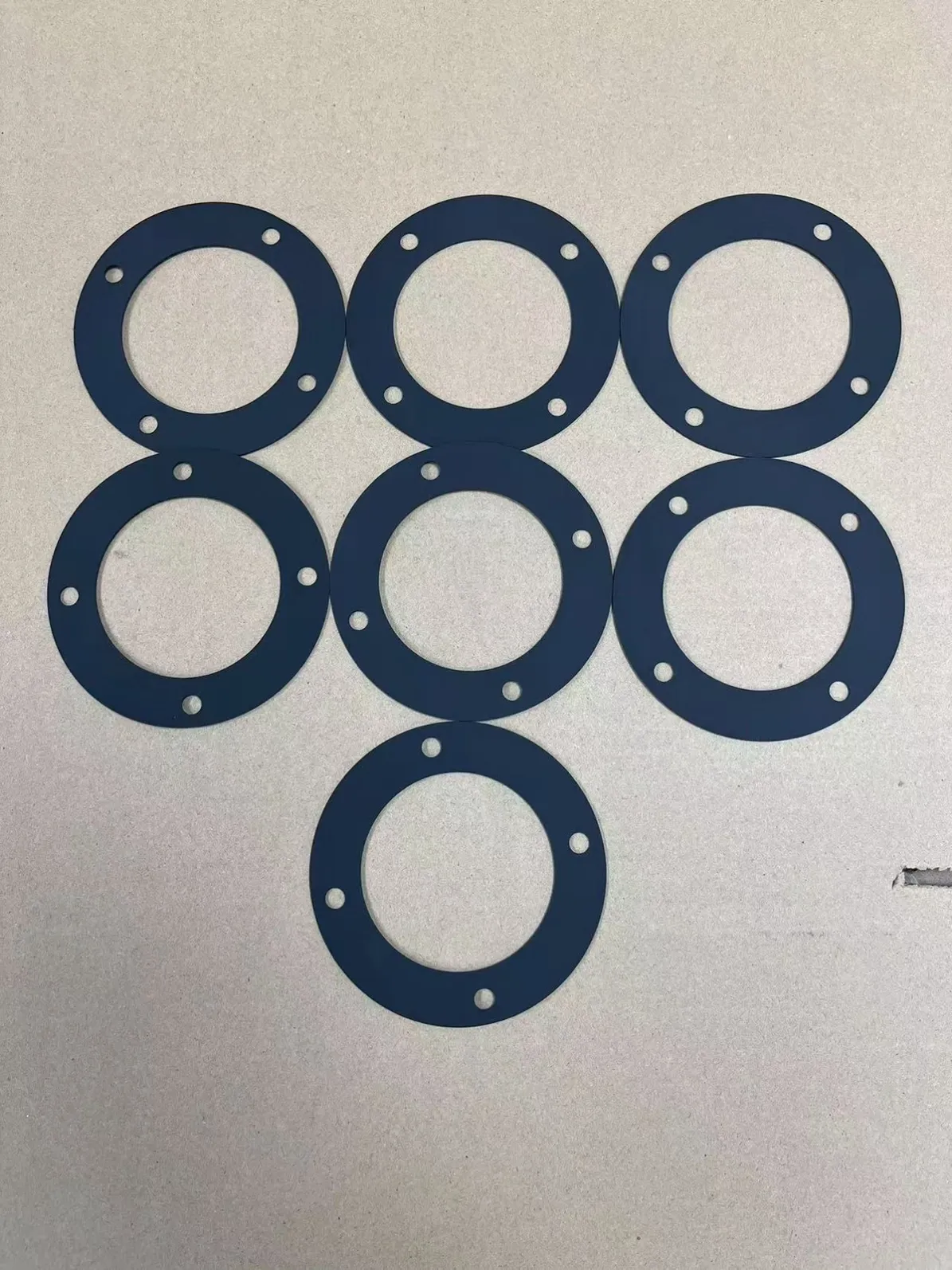
Materials we machine for this equipment
- 6061-T6 aluminum — the default for housings, plates and brackets: light, stable, easy to machine well and straightforward to anodize.
- 304 stainless steel and 316 stainless steel — for parts that need corrosion resistance, more stiffness or a surface that stands up to frequent cleaning. 316 stainless steel is the usual step up where the environment is harsher.
- POM — for insulating parts, wear pads, guides and low-friction pieces. It machines cleanly and holds its shape well in indoor service.
- PEEK — for insulating and positioning parts that run hotter or need more chemical resistance and strength than POM offers. Our article on lab automation parts shows the same material pair in a neighboring application.
Material certificates are available on request, and parts can be supplied with a first article inspection report and a certificate of conformance — the same documentation set we describe for instrument housings in our article on biotech instrument housings.
Stability and repeatability: what the parts have to do
Test and measurement equipment is built around one promise: the same input gives the same reading, today and next month. The machined parts support it mechanically:
- Flat, stable reference faces. Base plates and mounting faces are machined so assemblies sit without rocking. Where a drawing calls out flatness, it is machined and inspected as a feature in its own right, not assumed from the thickness.
- Hole patterns that line up every time. Connector holes, locating holes and mounting patterns are held to the drawing so boards, modules and covers assemble without force or shimming.
- Stress relief where the material needs it. Large plates and parts with heavy one-sided material removal are machined in stages, with stress relief steps in between, so the part does not move after it leaves the machine. Stainless steel parts get a solution anneal where the material requires it.
- Consistent small batches. Equipment is rarely built one at a time or by the thousand. Repeat orders run to the same drawing revision, so batch ten assembles like batch one.
Standard machining tolerance is ±0.1 mm (±0.004"), and ±0.01 mm (±0.0004") is achievable on the dimensions that need it. The practical advice is the usual one: tolerance the mounting and locating features tightly, and let the rest follow the general tolerance on the drawing.
Surface finishes for equipment parts
- Black anodize is the most requested finish on aluminum parts for this equipment, for a practical reason: a matte black surface cuts reflections. Around cameras, light sources and optical paths, a bright machined surface throws stray light where it is not wanted; bead blasting before black anodizing gives an even, low-glare finish — the same reason black anodize is standard on the lab automation parts we machine.
- Clear anodize and chem film protect aluminum parts that stay in their natural color; chem film also keeps the surface electrically conductive where a ground path is needed.
- Bead blasting on its own gives a uniform matte texture before coating or anodizing.
- Passivation restores the corrosion-resistant surface on stainless steel parts after machining.
Grounding and contact faces can be masked to stay bare metal through anodizing or coating — note them on the drawing and they are protected before finishing.
What to send for a quote
A 2D drawing (PDF is fine) or a STEP file, the material grade, quantity, surface finish and the tolerances that matter. If the part locates or aligns something, flagging those features helps us plan machining and inspection around them. Prototypes and small batches are the normal run for this equipment: routine small batches ship in about 3–5 days, and simple parts can go out in 24–48 hours depending on complexity. Parts are inspected before shipping — critical dimensions on small batches are checked on every part — and clean packaging, including ultrasonic cleaning, double bagging and vacuum sealing, is available.

FAQ
What kinds of test equipment parts do you make? Housings, enclosures, mounting and base plates, brackets, positioning parts, covers and small turned fittings — the structural and mechanical parts of the equipment, in metal and engineering plastic.
Which material should a mounting plate be? 6061-T6 aluminum covers most cases: flat, light and stable. Choose stainless steel where the plate carries more load or faces a harsher environment, POM or PEEK where it must insulate.
Why do so many of these parts get black anodize? Because it does not reflect. A bead blasted, black anodized surface stays visually quiet around cameras and light paths, and protects the aluminum too.
Can you hold the same quality across repeat batches? Yes. Repeat orders run to the same drawing and revision, critical dimensions are inspected on every part in small batches, and FAI reports, material certificates and a certificate of conformance are available.
How fast can prototype parts ship? Simple parts can ship in 24–48 hours depending on complexity, routine small batches in about 3–5 days. We confirm the schedule with the quote, usually within 24 hours.