Pickling and Passivation After Welding
Welded stainless comes out discolored and less corrosion-resistant at the seam. Pickling, passivation and electropolishing each fix a different part of it.
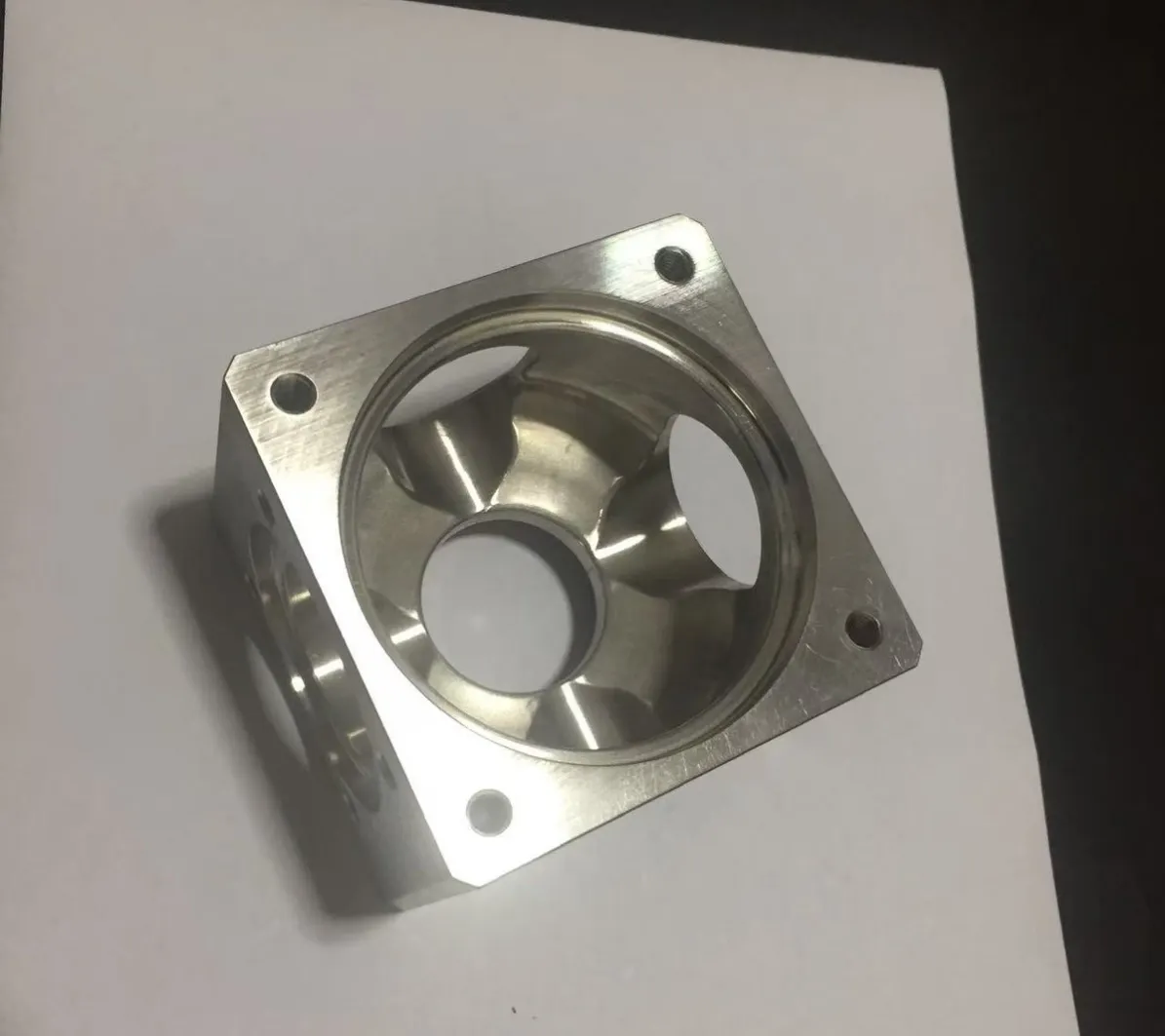
A stainless part can go into welding bright and come out with a blue-brown band along every seam. That discoloration — heat tint — is not just cosmetic. The layer beneath it has lost chromium to the oxide scale, and with it the corrosion resistance that made the part stainless in the first place. Left as-welded, seams rust first. This article explains the three treatments that put it right — pickling, passivation and electropolishing — what each one actually does, and how to specify them. Welded stainless parts we supply are cleaned and treated as part of the route; tell us the service environment and we will recommend which level the part needs.
What welding does to the surface
Stainless resists corrosion because chromium at the surface forms a thin, invisible oxide film. Welding heat changes two things near the seam:
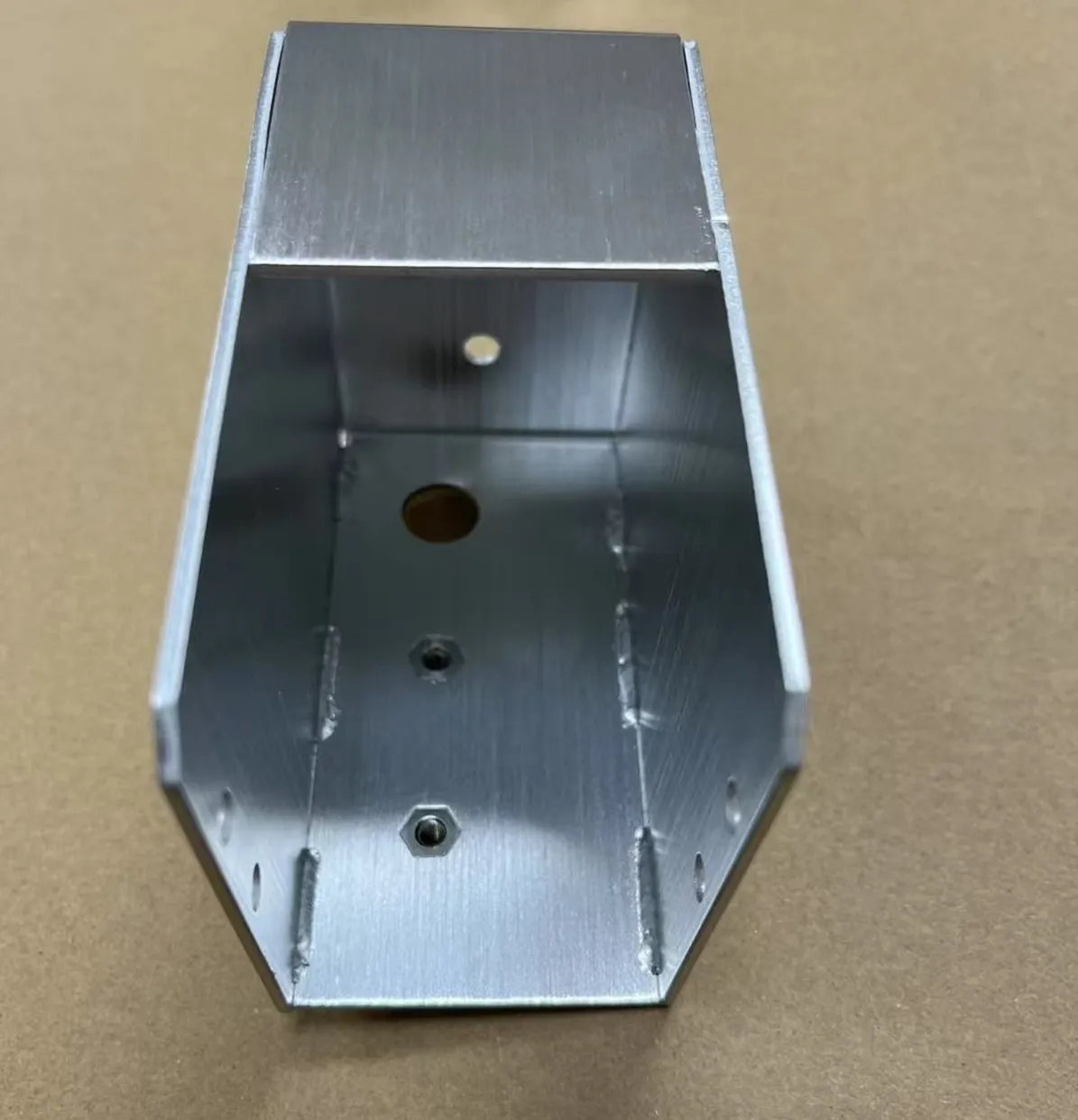
- Heat tint. The visible straw-to-blue-to-black oxide that grows at welding temperatures. The darker the tint, the thicker the oxide — and the more chromium was pulled out of the metal just beneath it.
- A chromium-depleted layer. Under the tint sits a zone with less free chromium than the base metal. That zone is where corrosion starts, typically as rust staining or pitting along the weld, weeks or months after installation.
Removing the tint without addressing the depleted layer — wire-brushing it bright, for instance — makes the part look right while leaving the weak layer in place. The treatments below remove both.
Pickling: the reset
Pickling is an acid treatment (typically a nitric/hydrofluoric acid paste or bath) that dissolves the heat tint and a thin layer of the metal beneath it — including the chromium-depleted zone. What comes out is a uniform matte surface with the base metal's full chromium content exposed again.
- It is the only one of the three that removes heavy heat tint.
- It slightly etches the surface, so the finish after pickling is a clean, even matte — not a polished look.
- Paste pickling treats weld zones locally; bath pickling treats the whole part.
Passivation: the finishing step
Passivation per ASTM A967 uses a milder acid (nitric or citric) that does not remove tint or base metal in any meaningful amount. It dissolves free iron contamination from the surface and lets the chromium oxide film form fully and evenly.
- On an unwelded machined part, passivation alone is normally the complete treatment.
- On a welded part, passivation comes after pickling — it cannot remove heat tint, and passivating over tint leaves the depleted layer underneath.
- Our article on passivation vs electropolishing for 316L covers the unwelded case in more depth.
Electropolishing: when appearance matters too
Electropolishing removes a controlled layer of surface metal electrolytically, taking tint and the depleted layer with it, and leaves the surface bright, smooth and passivated. For welded parts that are also visible or hygiene-sensitive — food, pharma and lab equipment housings — it is often the single-step answer, at a higher cost than pickle-and-passivate. It is specified as passivation by electropolishing to ASTM B912 where a standard is needed.
How to specify it
- Welded, industrial service: "Pickle and passivate per ASTM A967" covers most cases.
- Welded, visible or hygienic: electropolishing, or pickle, passivate and a stated surface finish (Ra) requirement.
- Unwelded machined parts: passivation alone.
- Tell us the environment. A part living indoors and a part living in a washdown or coastal environment do not need the same treatment — and the difference is a small line on the quote, not a redesign.
One caution on sequencing: these treatments happen after all machining and welding, and parts with tight dimensions should be checked with the treatment in mind — pickling and electropolishing remove small amounts of material (electropolishing the most), which matters on a sealing face or a press fit. Flag critical faces and they can be masked or measured after treatment.
FAQ
Is passivation alone enough for a welded part? Not if the weld is discolored. Passivation does not remove heat tint or the chromium-depleted layer under it. Welded parts need pickling first (or electropolishing), then passivation.
Why did our stainless welds rust after a few months? The usual cause is exactly this: the part was cleaned cosmetically, or passivated over the tint, and the depleted layer at the seam corroded first. It is a treatment problem, not a material problem, in most cases.
Does pickling change dimensions? Slightly — it removes a thin surface layer. On general fabrications it is negligible; on precision faces we plan for it or mask them. Electropolishing removes more and is quoted with the removal in mind.
Can you pickle just the weld area? Yes, with pickling paste applied to the weld zones. Bath pickling treats the whole part and gives the most uniform result; paste is the practical choice for large assemblies or local seams.
What about 304 vs 316 — same treatment? The same treatments apply to both. The molybdenum in 316 stainless steel gives it more margin in chloride environments, but a welded, untreated 316 stainless steel seam will still stain before the rest of the part.